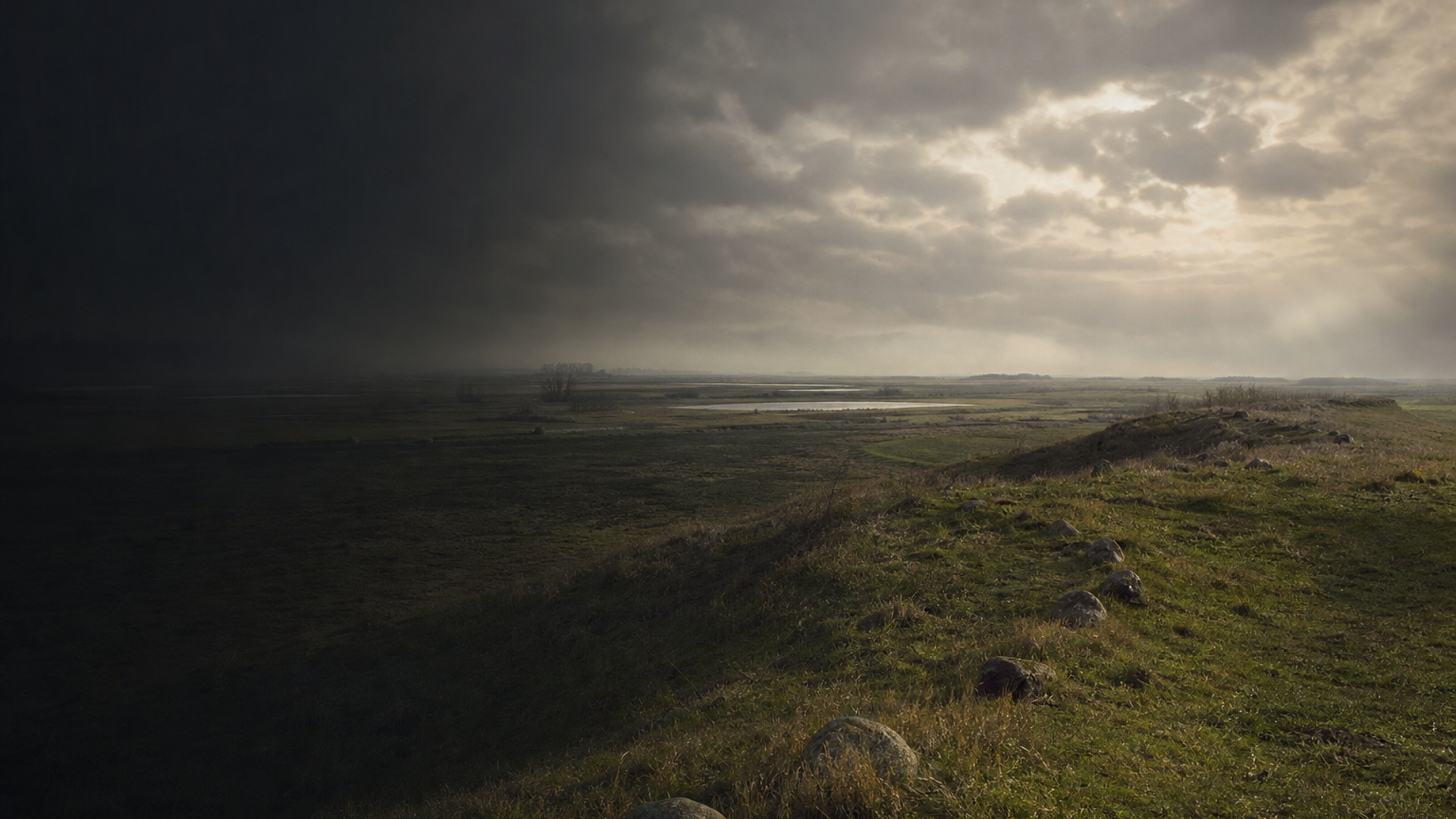
Life in Bell Beaker-era Noord-Holland played out in a palette of marshes, canals, and fertile riverine plains. Ceramic styles, personal ornaments, and burial goods recovered from De Tuithoorn hint at communities skilled in pottery, textile working, and possibly bronze-age metallurgy practices that increase in importance toward the later part of the range. Archaeological assemblages—pottery sherds, flint tools, and occasionally metal fragments—suggest households engaged in mixed farming, animal herding, fishing, and coastal foraging.
Grave goods vary in richness; some burials include elaborate beakers and copper-alloy items while others are modest, which may reflect social differentiation or varying access to exchange networks. Spatial patterns in cemeteries and the recurrence of male-associated grave goods in some contexts have been interpreted elsewhere as evidence for patrilocal residence or male mobility, but in the Netherlands dataset these patterns are tentative. Plant and faunal remains from regional sites indicate seasonal resource use and a diet combining domesticated cereals and wild riverine species.
Archaeological preservation in peatland environments can be excellent for organic artefacts, but preservation is uneven across sites. Consequently, reconstructions of everyday life remain partial; continued fieldwork and stable isotope studies would help illuminate diet, mobility, and social organization more clearly.