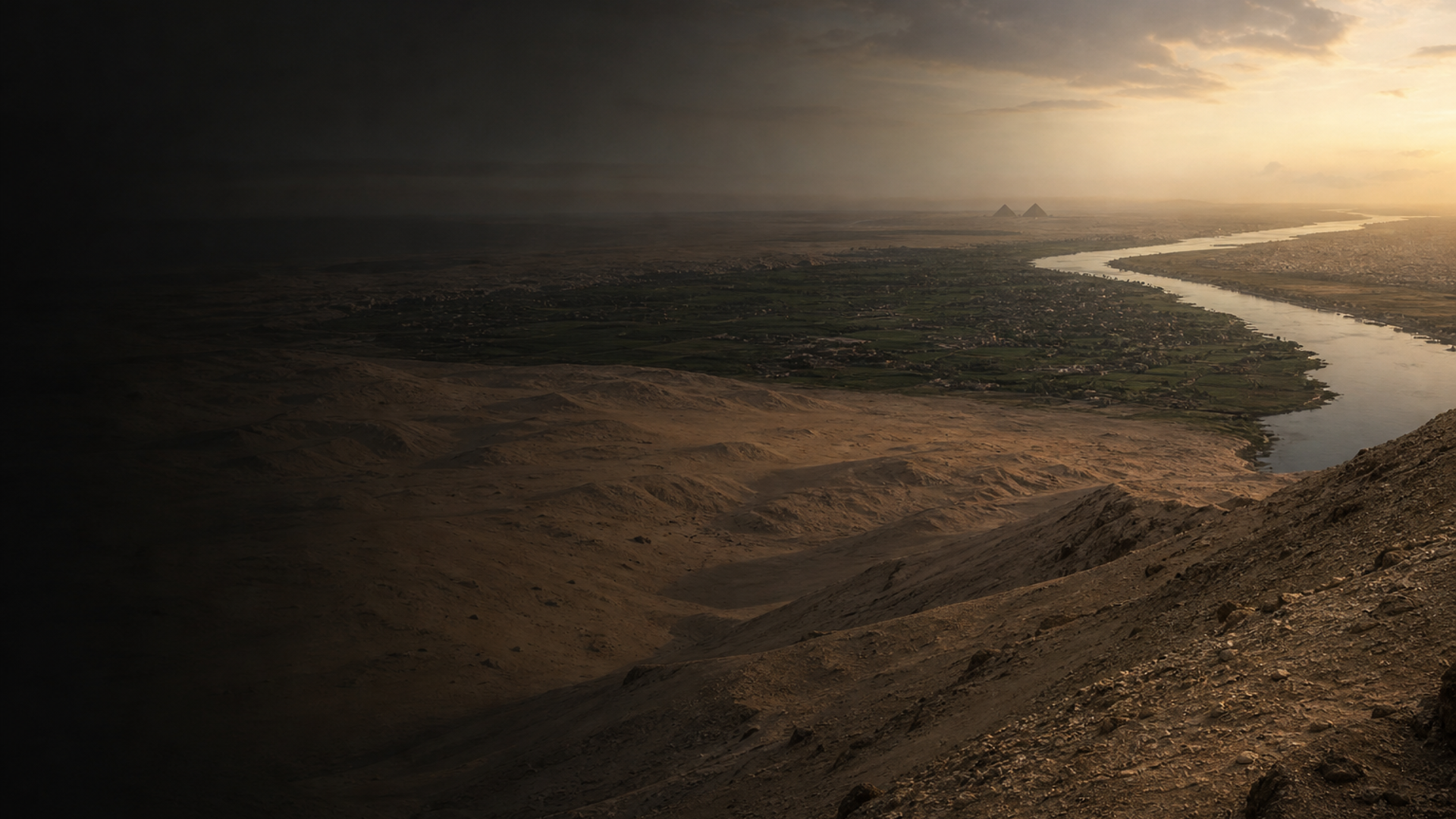
Daily life in modern Egyptian urban and Delta contexts is an ongoing choreography between river, market, and mosque. Archaeological remains — street plans, wells, ceramic assemblages, and domestic architecture — reveal continuity of Nile-dependent livelihoods: irrigation, seasonal cropping, and riverine trade. In cities like Cairo and Iskandaria, layers of urbanism preserve marketplaces, ports, and crafts that have drawn artisans, merchants, and migrants for centuries.
Material culture complements genetic sampling in highlighting mobility. Migrant workers and diasporic networks — exemplified here by migrants sampled in Kuwait — are part of a living archaeological record: modern housing patterns, remittance-driven building, and reused older masonry speak to social ties across borders. Oral histories and contemporary ethnography, when combined with archaeological survey, show how recent movements reshape household composition and marriage networks, which in turn influence genetic structure over decades.
Archaeological indicators of continuity (burial customs, local ceramic types) suggest persistent cultural threads, while urban stratigraphy records sudden changes: waves of construction, new religious institutions, or colonial-era infrastructure projects. These events create demographic pulses that align with expectations of recent gene flow and admixture in the genetic data.