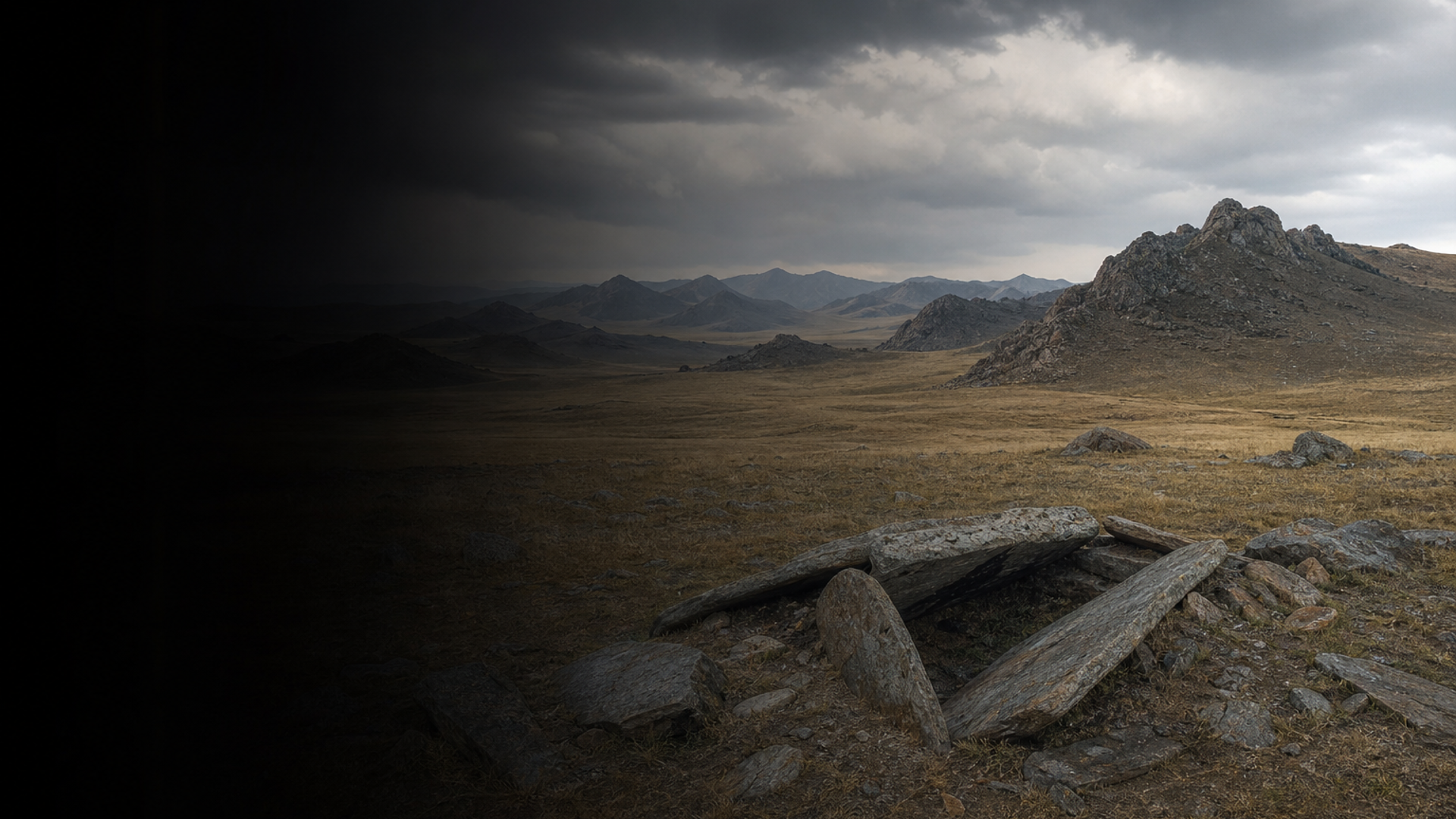
Life on the steppe was shaped by mobility, herds, and the horse. Material culture recovered from burial mounds and seasonal camps — bits, bridles, portable hearths, and small metal tools — paints a picture of communities whose seasons were synchronized with pasture cycles. Nomadic dwellings (felt tents and light timber frames) left ephemeral archaeological signatures, so much of the reconstruction relies on grave goods, wear patterns on horse equipment, and palaeoenvironmental data.
Burials range from simple pit graves to elaborate kurgans containing mounted burials with bridles and weapons, suggesting social differentiation and warrior status markers in some groups. Women and men are found with different suites of grave goods, indicating complementary roles in pastoral economies and craft transmission. Ceramic fragments, spindle whorls, and worked bone show domestic craft and textile production embedded within mobile lifeways.
Archaeological indicators of long-distance contact — non-local metal alloys, decorative motifs resembling Sarmatian or Kangju styles, and exotic horse gear — imply networks of exchange and raiding that connected these steppe communities to broader Eurasian circuits. The landscape itself, from the high Khuvsgul valleys to the rolling Kazakh steppe, structured routes of movement and seasonal congregation at springs and mountain pastures. While everyday housing rarely survives, the cumulative record of burials, tools, and animal remains gives a vivid, if partial, view of a horse-centered society where mobility was cultural strategy and survival.



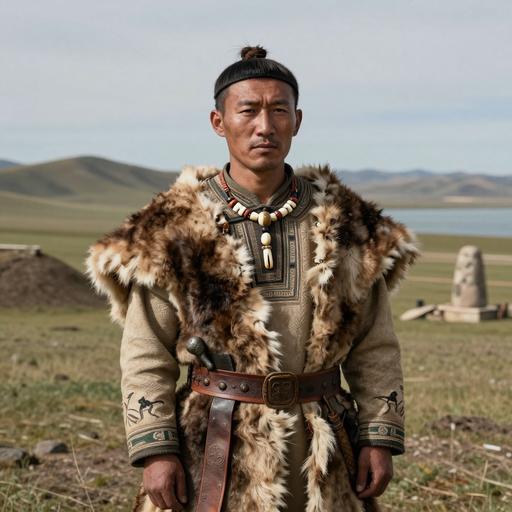
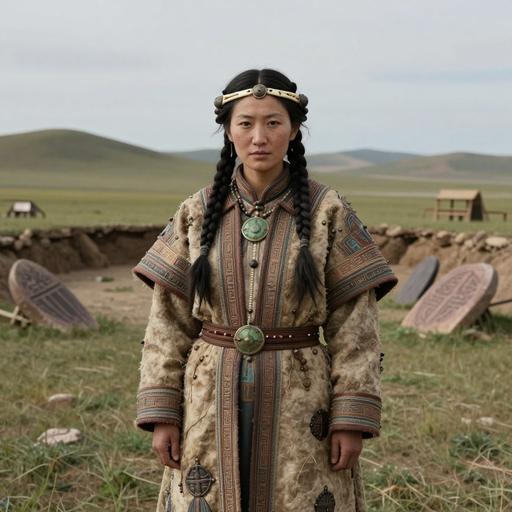
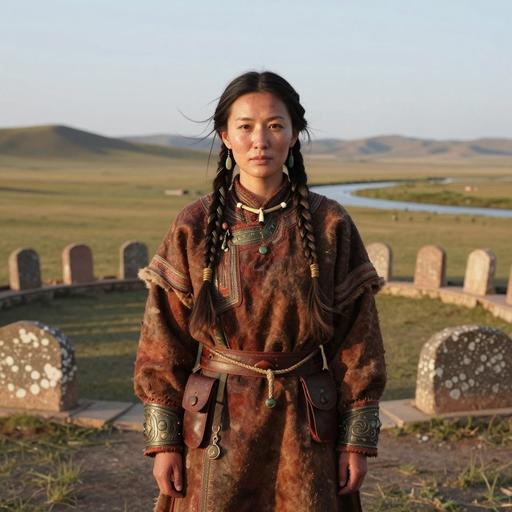
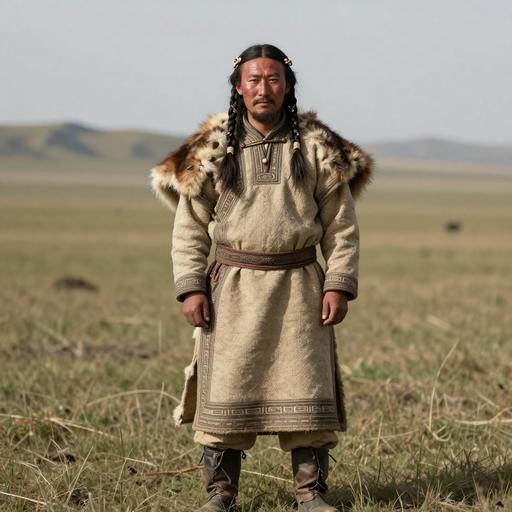
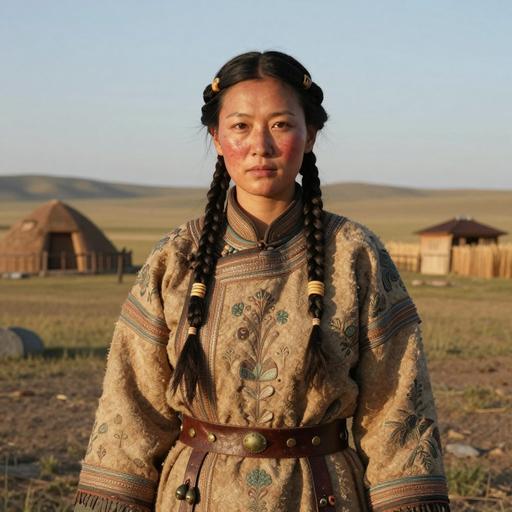
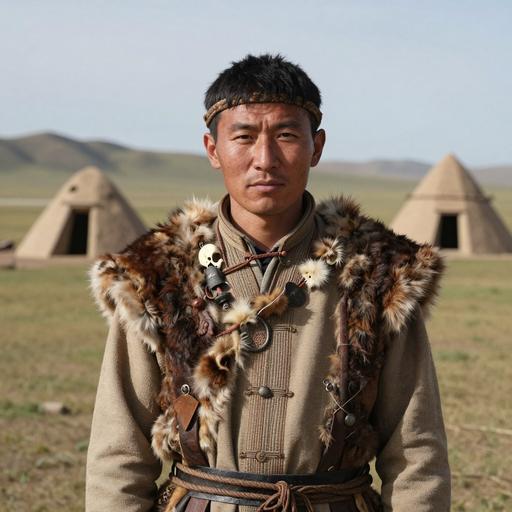
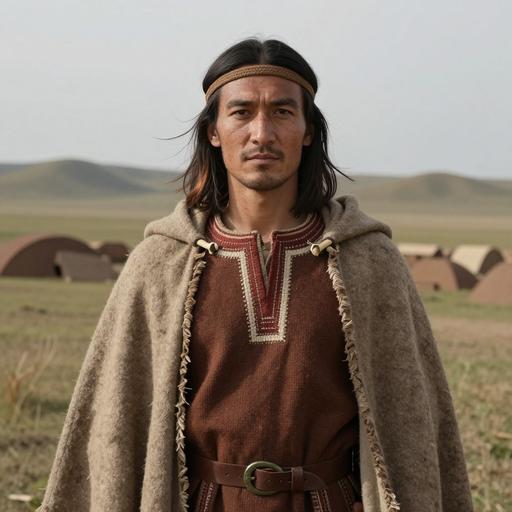
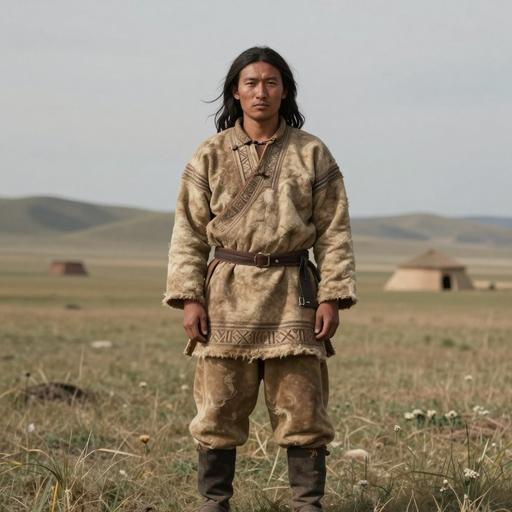
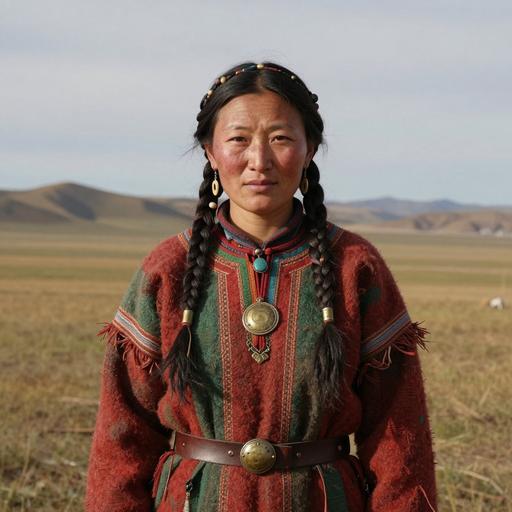
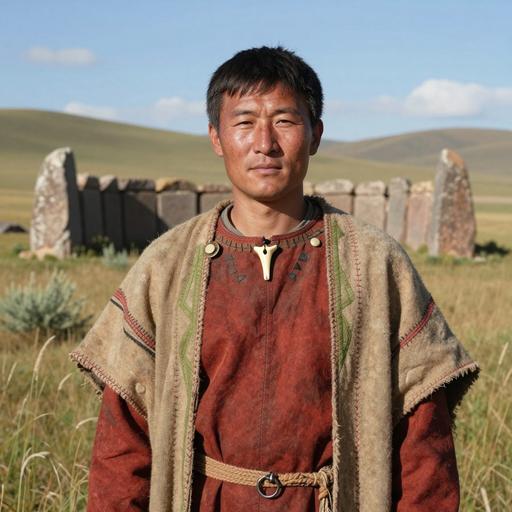
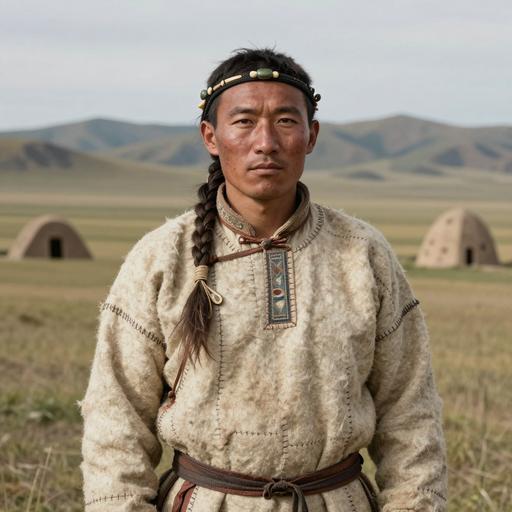
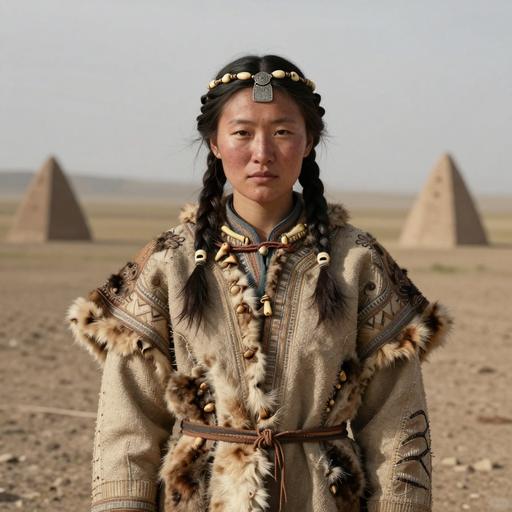
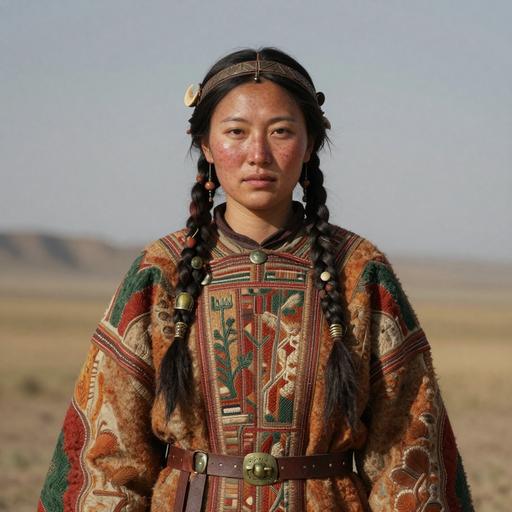
![Portrait of ancient individual I6368 from Mongolia, dated 782-567 calBCE (2530±15 BP) [R_combine: (2510±20 BP, PSUAMS-3907), (2550±20 BP, PSUAMS-4252)]](https://dgwebcontent.blob.core.windows.net/content/ancestry/ancient/img/individuals/v1_bSdfqU_GTBKS-I6368.jpg)





