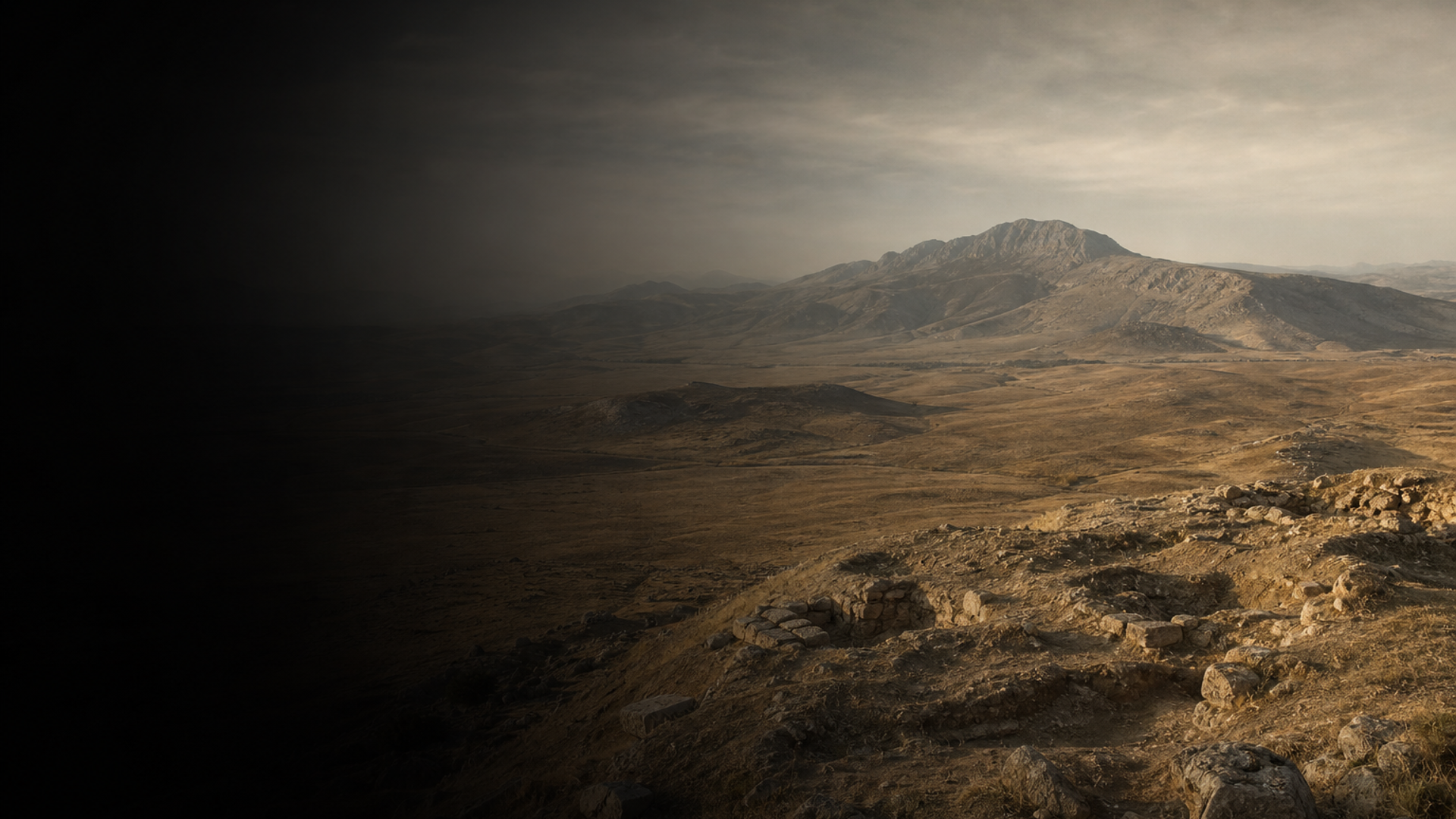
The lived world at Ovaören would have been textured and tactile: fields and herds surrounding compact settlements, workshops ringing with the clink of copper and bronze, and storerooms holding redistributed goods. Archaeological data indicates households engaged in mixed farming, animal husbandry and specialized crafts; exchange networks likely brought raw materials and finished objects into local economies. Settlement architecture in contemporaneous Anatolian sites shows both domestic continuity and institutional buildings that may reflect emerging social differentiation.
Burial practices across Early Bronze Age Anatolia are varied; at some sites simple inhumations occur alongside richer offerings. For Ovaören specifically, the archaeological record is limited, so reconstructions of social hierarchy, ritual life, and gendered roles must remain cautious. Material culture paints a scene of communities adapting traditional lifeways to new opportunities: metallurgy and long-distance trade appear to reshape status, craft specialization, and perhaps the movement of people and ideas.
The cinematic image is of a landscape in motion—smoke from kilns on the horizon, caravans threading valleys, and family households negotiating change—yet the material traces that survive are fragmentary and demand restrained interpretation.