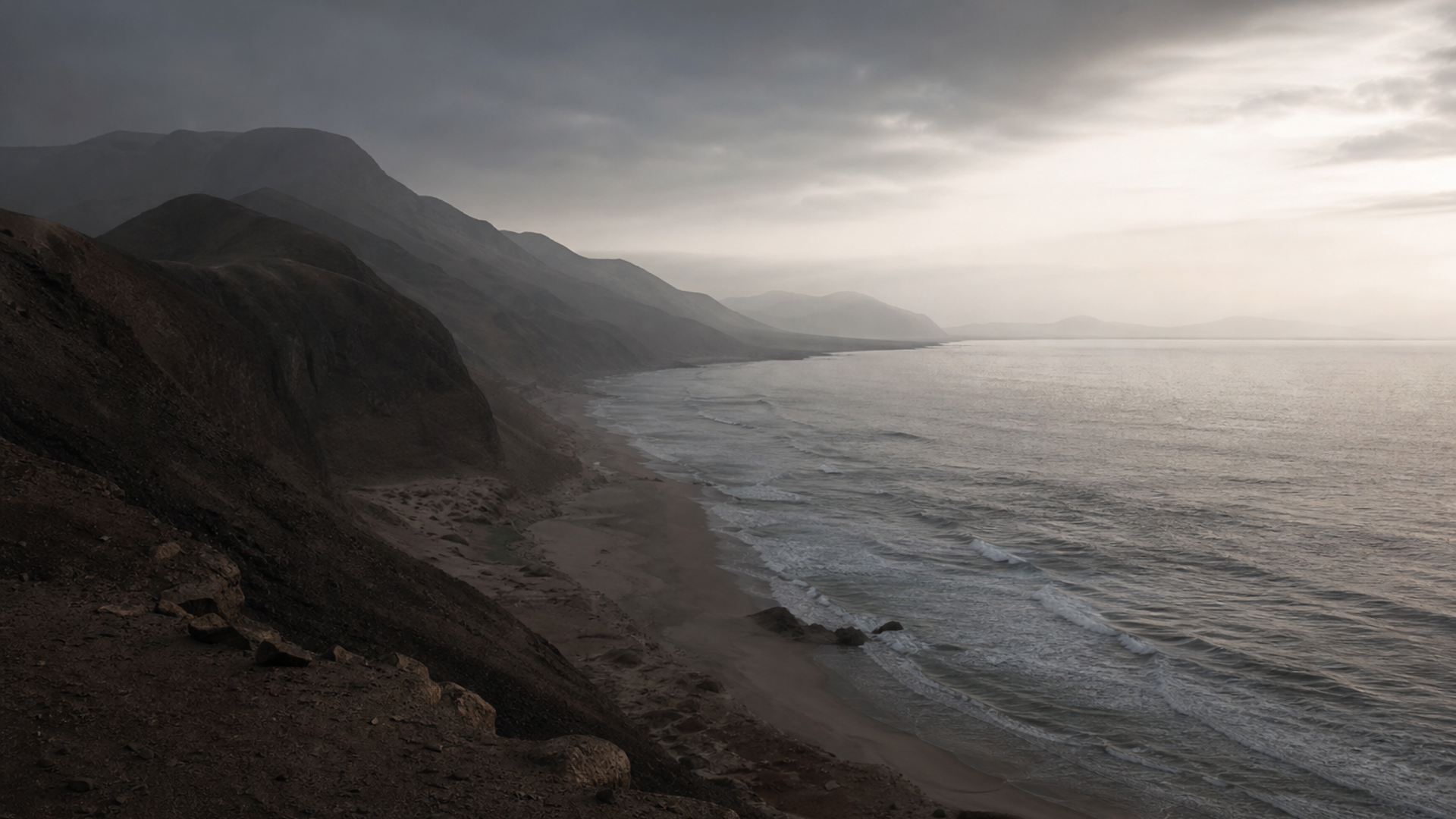
The everyday life evoked by archaeological deposits in Lima and coastal Peru is both familiar and layered with history. Ceramic fragments, food remains, and architectural footprints reveal diets centered on marine resources, maize, and tubers that persisted from pre‑Columbian times into the modern era. Urban archaeology — street plans, domestic compounds, and cemetery sequences — records household composition, craft production, and social networks that undergird city life.
For modern inhabitants sampled in this collection, archaeological traces help reconstruct ancestral lifeways: isotopic studies of coastal skeletons show marine and terrestrial dietary inputs; stratified middens and refuse pits indicate long-term exploitation of coastal fisheries and agriculture; and urban huacas continued to structure neighborhood identities even after Spanish conquest. Socially, archaeological indicators of craft specialization, long‑distance trade goods, and variable burial treatment point to a complex society of farmers, fishermen, merchants, and ritual specialists.
These material patterns intersect with demographic processes visible in DNA. Urban growth and internal migration — especially movements from the Andes to Lima during the 19th and 20th centuries — altered household composition and genetic diversity. Archaeological contexts therefore provide a scaffold for understanding how daily subsistence, migration for work, and urbanization translate into the genetic mosaics seen in modern Peruvian populations.