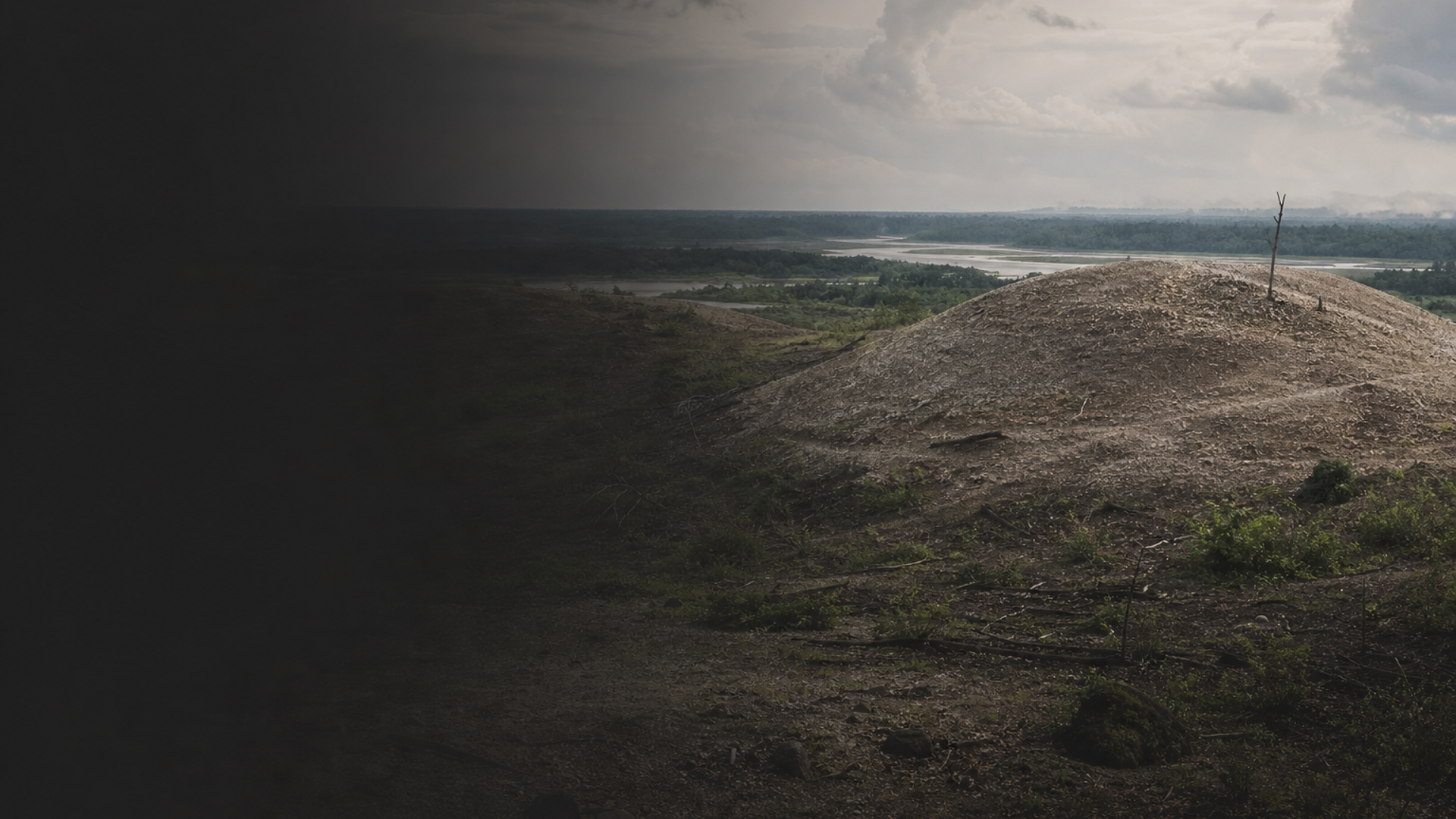
Archaeological impressions of sambaqui lifeways are cinematic: hearth smoke rising over shell terraces, fish and crab remains scattered beside stone tools, and burials interred within accumulated midden. At Palmeiras‑Xingu, the depositional context—compact shell layers interspersed with charcoal and bone—indicates recurrent meal deposits, tool maintenance, and episodic ceremonial use of mound spaces. Faunal assemblages from comparable sambaquis show heavy reliance on aquatic resources (fish, mollusks, and turtle), supplemented by hunted terrestrial game and gathered plant foods.
Burial positions, grave goods, and mound placement in the region vary; the Palmeiras‑Xingu individual was recovered in a context consistent with other late sambaqui interments, though preservation and recovery methods influence interpretation. Archaeological data indicates complex social practices: communal labor to build mounds, potentially ranked or kin‑based burial plots, and ritualized reuse of midden deposits. Ethnohistoric analogies and regional settlement patterns hint at flexible mobility—seasonal fishing camps and longer occupation nodes—rather than a single, uniform lifestyle. However, because we have only one well‑sampled individual from Palmeiras‑Xingu, reconstructions of household economy and social ranking must remain cautious and provisional.