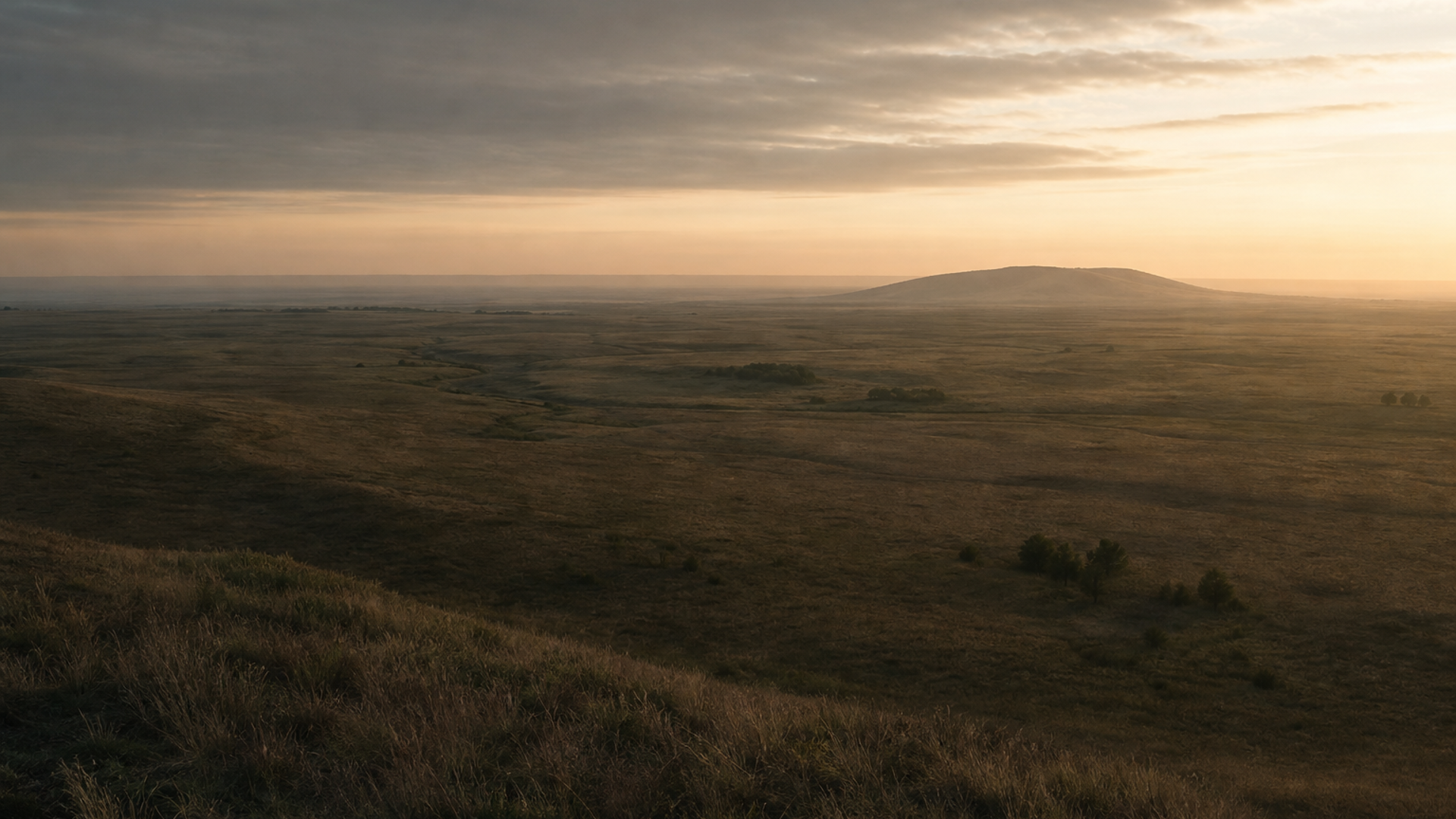
Archaeological traces evoke daily scenes across the plain: sunlit yards around timber longhouses, hearths where barley and emmer were processed, and pottery vessels shaped for storage, cooking and ritual. The material world of ALBK people combined practical innovations—storage pits, polished stone tools—and symbolic shaping of community life through decorated ceramics. Animal bones recovered at similar Alföld LBK sites indicate cattle, sheep and pigs as economic staples, and botanical remains point to mixed cereal cultivation adapted to loess soils and floodplain niches.
Socially, longhouse architecture and clustered sites suggest extended family units and cooperative agriculture, while burial practices in the wider LBK horizon vary regionally; specific mortuary data from the three Arnót and Hencida sites remain sparse. Craft specialization probably existed at a household level: potters, flintknappers and herders interacting within seasonal rhythms. The cinematic tableau—fields, floodplain reeds, smoke from ovens—must be balanced with scientific caution: preservation biases and the small genetic sample mean many aspects of daily life are still reconstructed from partial evidence.