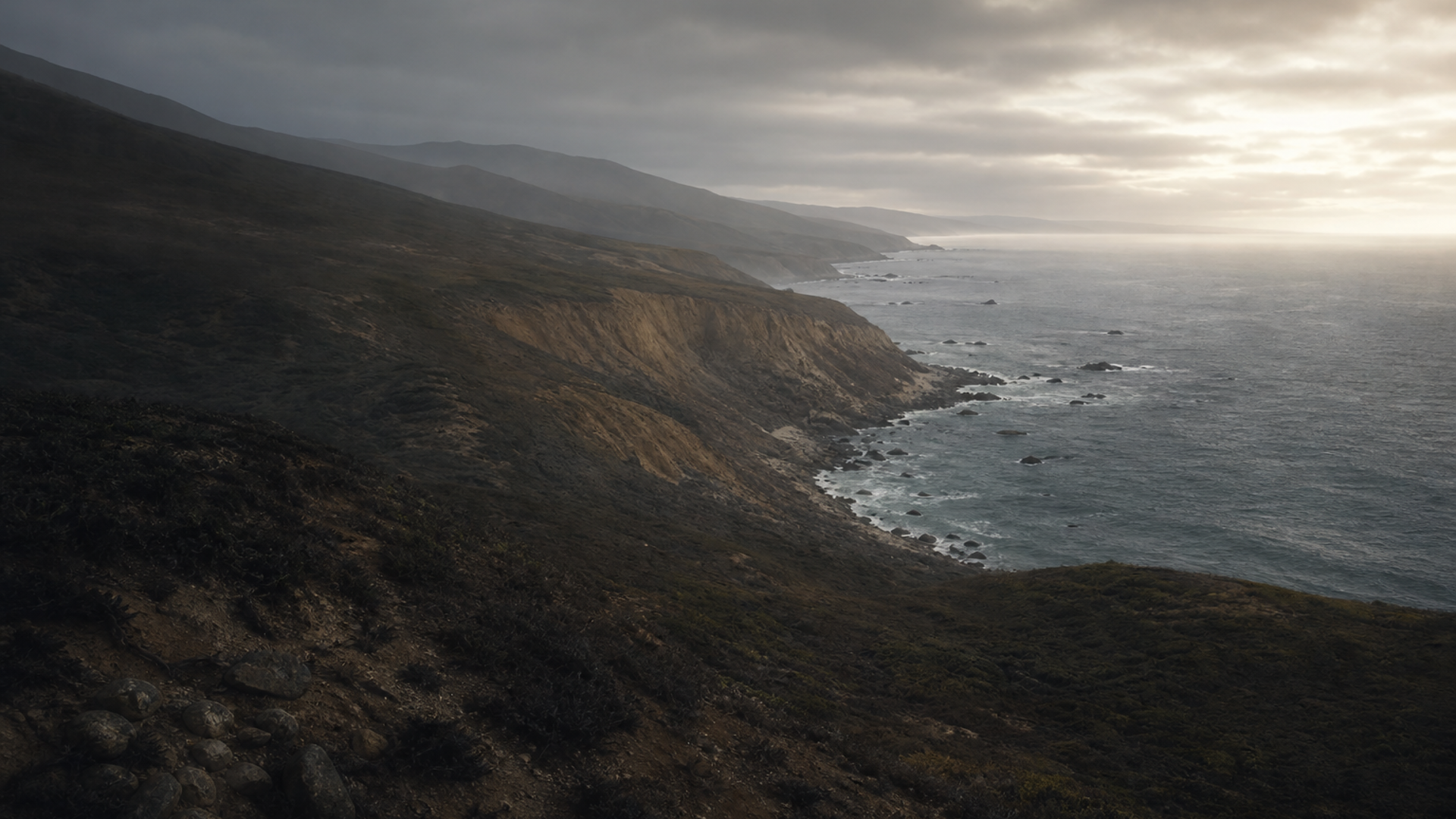
Imagine dawn over a rocky cove: breath white with salt spray, shorelines full of life. The people living at Point Sal exploited this abundance with finely made implements and intensive shellfish gathering. Archaeological deposits record large concentrations of Olivella shell beads and manufacturing debris — evidence of bead production that fueled exchange networks across coastal California. Fish bones, shellfish remains, and stone fishing weights speak to a diet dominated by marine protein, supplemented by terrestrial plants and game collected from nearby terraces.
Material culture from contemporaneous Chumash sites suggests specialized craft production and the circulation of prestige goods. Burial offerings and finely made ornaments visible in some contexts imply social differentiation that would intensify in later centuries. Evidence for watercraft use and coastal voyaging is strong in the wider Chumash corpus, and Point Sal’s location would have made it a node in maritime routes.
Archaeological data indicates labor specialization around bead-making and marine procurement, with a cultural landscape shaped by tides, trade, and seasonal rhythms. But many details of social organization at Point Sal remain unresolved: skeletal counts, spatial patterning, and context-specific grave goods require more excavation and careful collaboration with descendant communities to fully interpret.