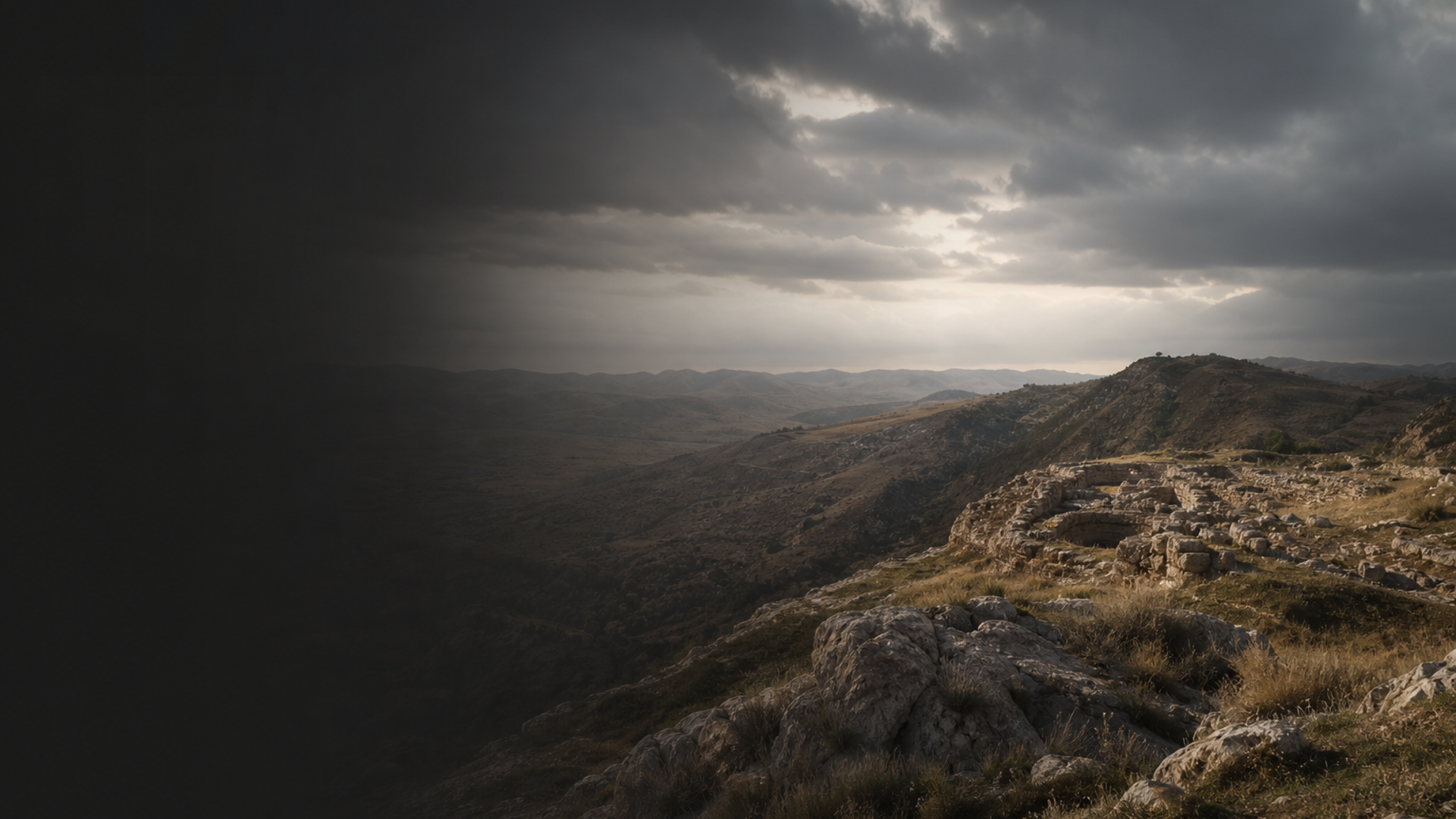
Imagine dawn on the ridge above the plain: smoke rises from hearths, and artisans shape pottery that carries both local patterns and foreign motifs. Archaeological evidence from house floors, kilns, and workshops at Polizzello suggests a mixed economy of dry farming, herding, and specialized craft production. Metalworking debris and ornament fragments imply access to bronze smithing and the circulation of prestige goods.
Burial evidence speaks to social differentiation. Some graves contain richer assemblages—bronze fibulae, decorated ceramics, and imported items—while others are simpler, hinting at status hierarchies. Funerary architecture and the placement of tombs on the slopes imply communal memory tied to the landscape, with ancestors anchoring claims to land and resources.
Polizzello’s role in regional exchange is visible in amphora fragments and nonlocal raw materials: merchants and seafarers calling at Sicilian coasts likely brought ideas and objects inland. Yet archaeological data also shows strong continuity in local craft traditions, suggesting that foreign goods were integrated into existing social frameworks rather than fully displacing them. Daily life, then, balanced rooted agricultural rhythms with intermittent pulses of long-distance exchange.
Many details of household economy remain open questions; continued excavation and biomolecular analyses (pollen, residues, isotopes) will refine this lived portrait.