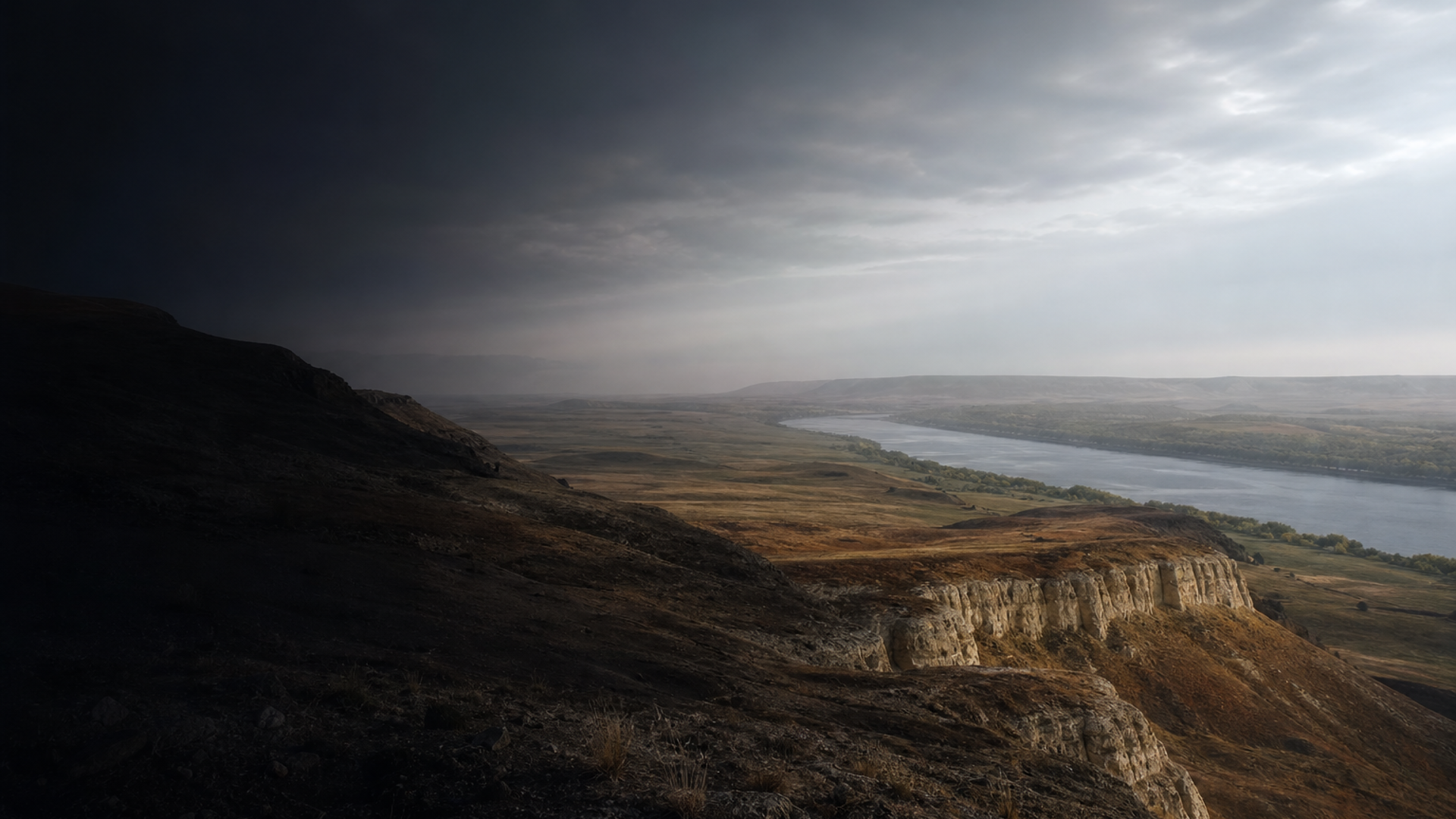
Archaeological traces evoke a world of seasonal herds, riverine fishing, and metallurgical craft. Potapovka communities occupied the Volga floodplain and adjacent steppe, exploiting rich pastures and river resources. Graves sometimes include horse harness fittings, bronze tools, and ornamental beads — objects that suggest both mobile pastoralism and long-distance exchange.
Settlements are less well preserved than burial monuments, but the funerary record implies social differentiation: some kurgans are modest, others elaborate, hinting at emerging hierarchies or warrior lineages. The placement of mounds on river terraces created a theatrical landscape of memory and territorial signaling, visible from approaches used by herds and human groups alike.
Trade and interaction likely connected Potapovka peoples to metal sources, raw materials, and ideas across the steppe corridor. Archaeobotanical and zooarchaeological data remain limited for these specific sites, but regional analogies point to mixed economies of herding, hunting, and seasonal cultivation. The daily life of these communities was shaped by mobility, riverine navigation, and the rhythms of Bronze Age pastoralism.