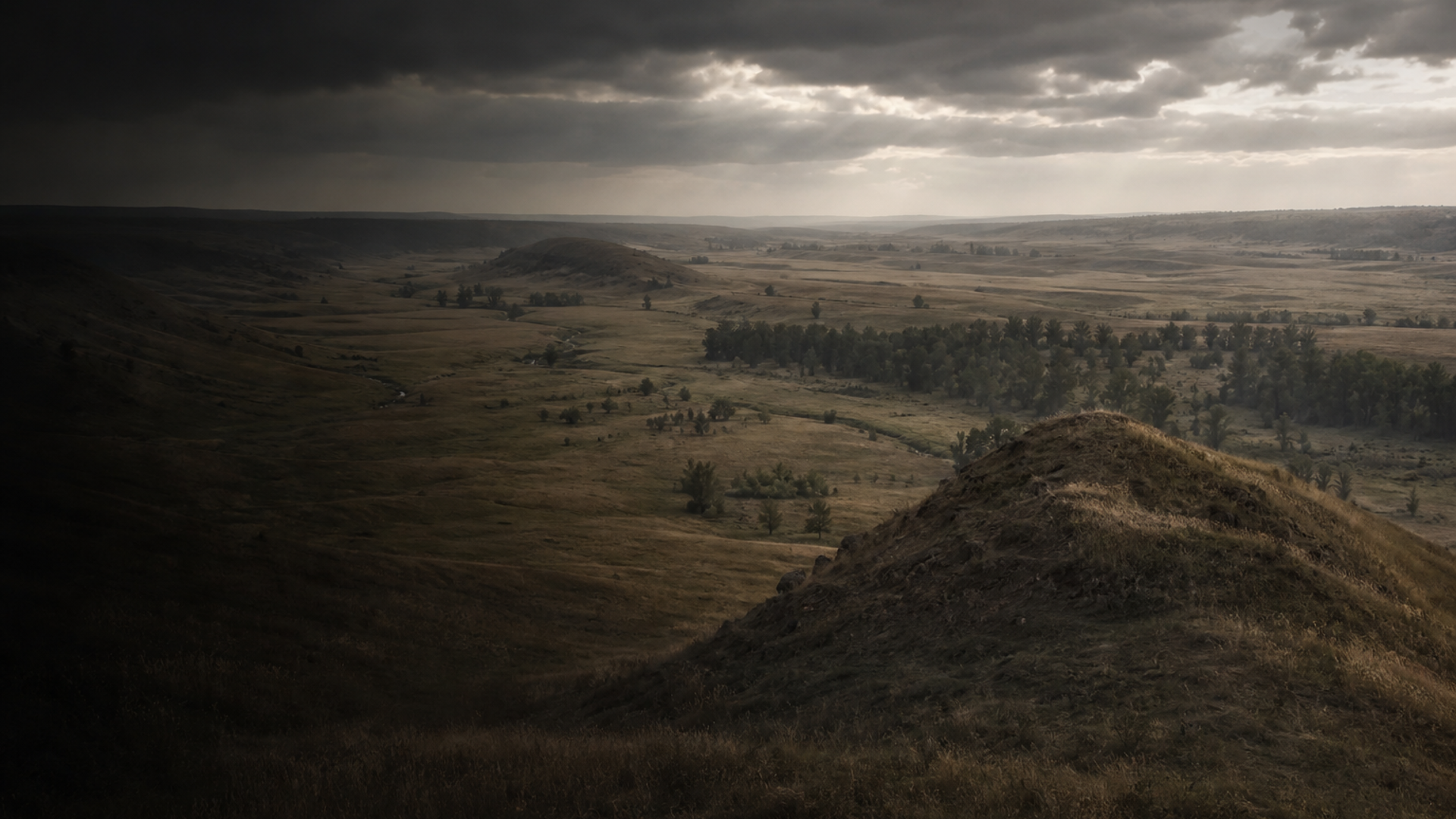
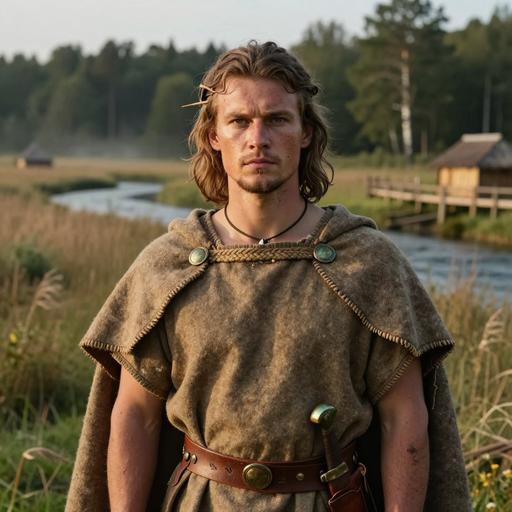
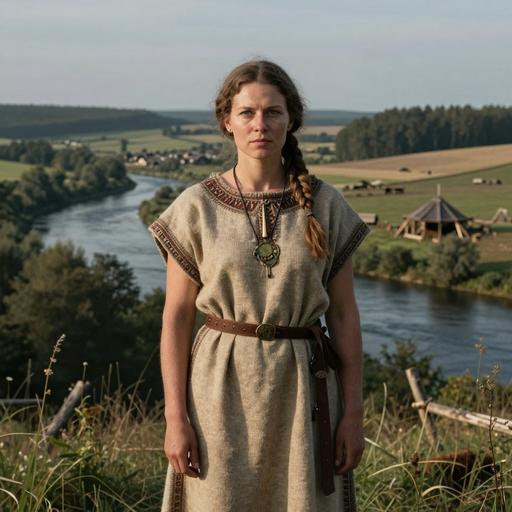
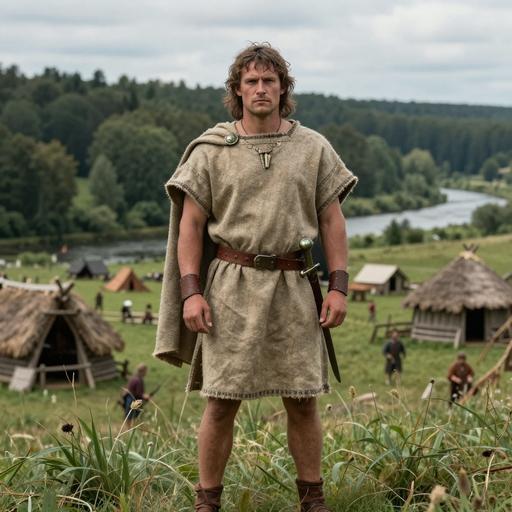
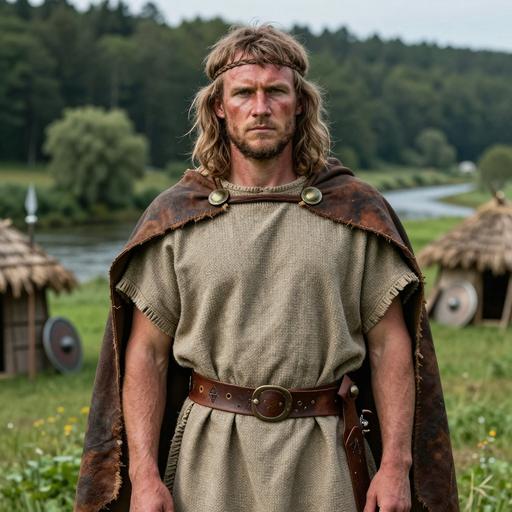
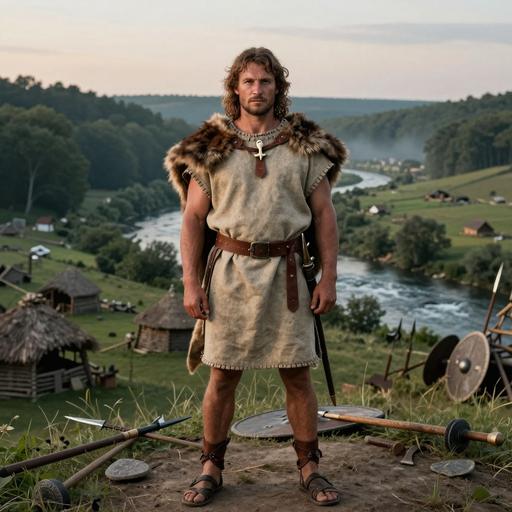
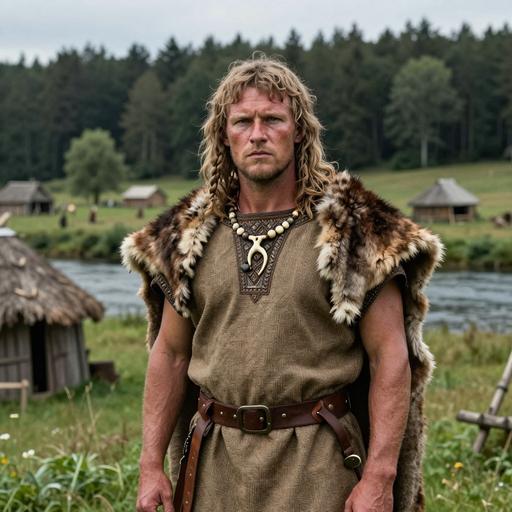
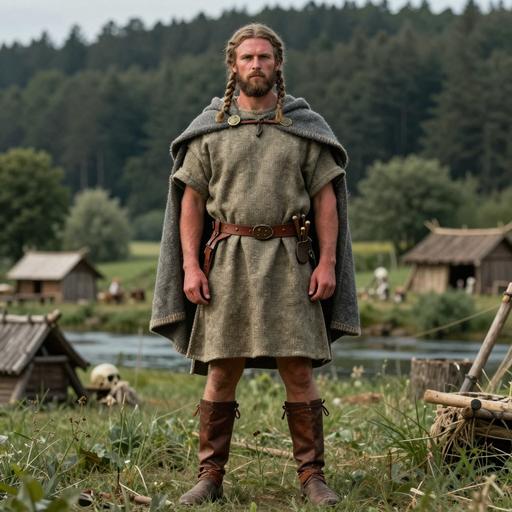
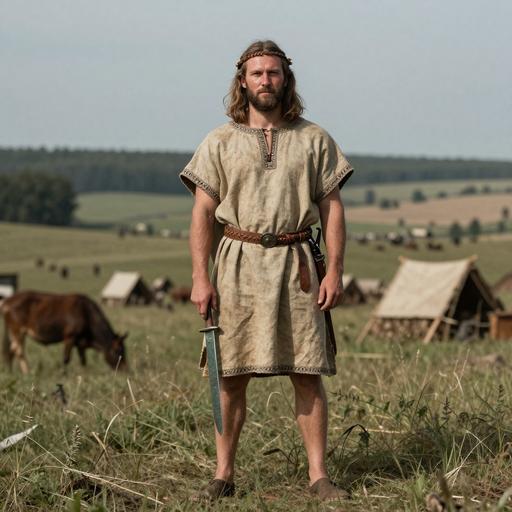
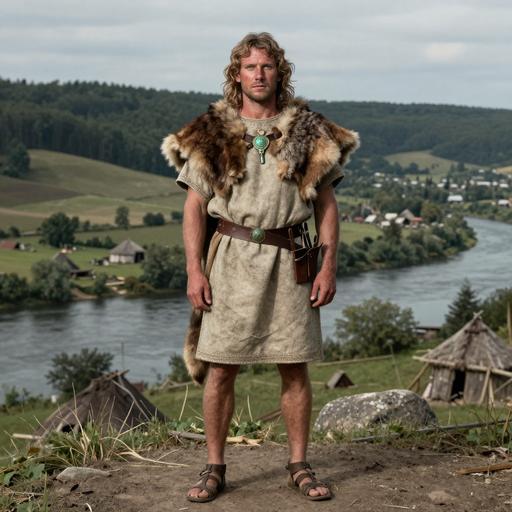
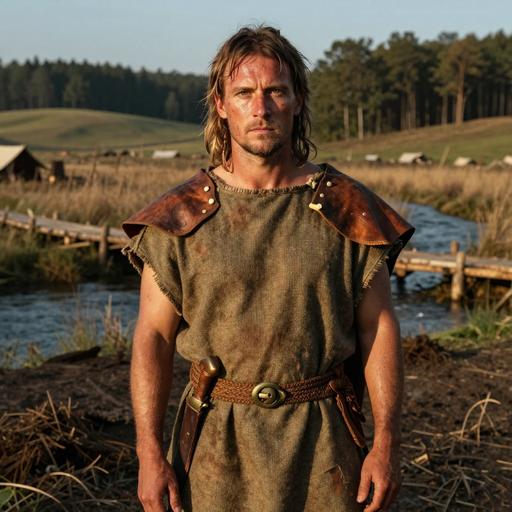
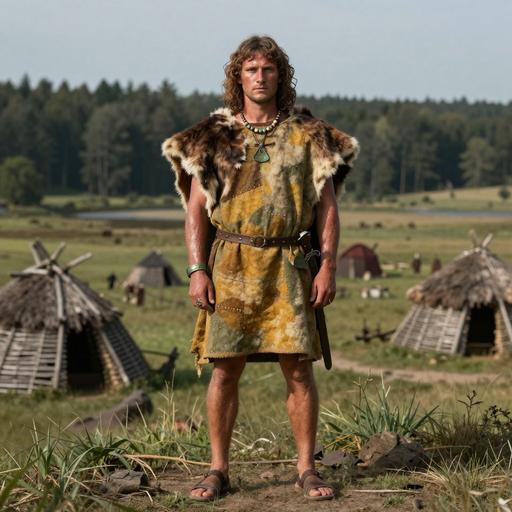
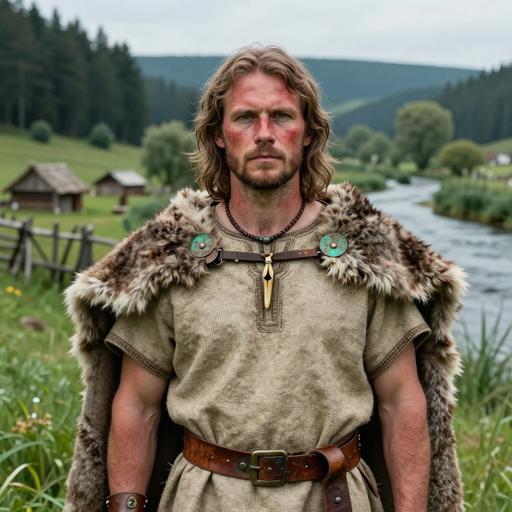
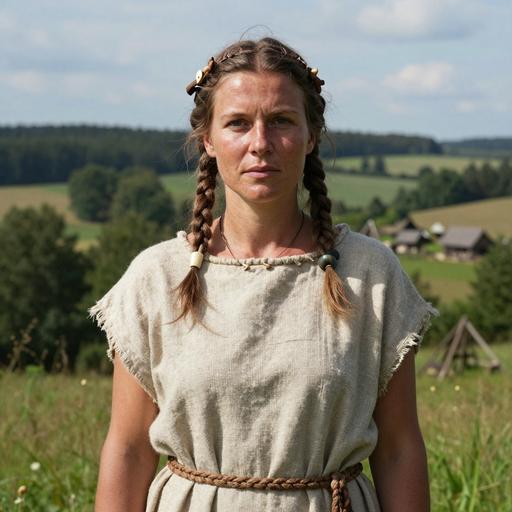
Archaeological contexts give us glimpses of everyday worlds: farmsteads with wooden longhouses, burial mounds and flat graves, bronze tools and personal ornaments, and riverine and coastal economies that tied inland communities to maritime routes. In the Netherlands (De Tuithoorn) and coastal Sweden (Sillvik, Vattenledningen), material culture reflects fishing, salt production, and trade in worked bone and copper; inland German sites (Untermeitingen) display mixed farming and pastoralism alongside regional metalworking traditions.
The Tollense battlefield (Mecklenburg‑Vorpommern) stands out as a cinematic archaeological snapshot: thousands of bone fragments, weapons, and human remains concentrated in a river valley indicate large‑scale organized violence in the Late Bronze Age (roughly 13th–12th centuries BCE). Such events imply social complexity—long‑distance alliances, warrior retinues, and logistical capacity beyond small kin groups.
Household economies would have been gendered but flexible: genetic evidence (see below) shows maternal diversity across sites, suggesting female mobility through exogamy and marriage networks, while Y‑DNA patterns hint at localized male line continuity interspersed with outsider males. These combined patterns help reconstruct the rhythms of life—work, kinship, conflict, and exchange—across northern Bronze Age landscapes.