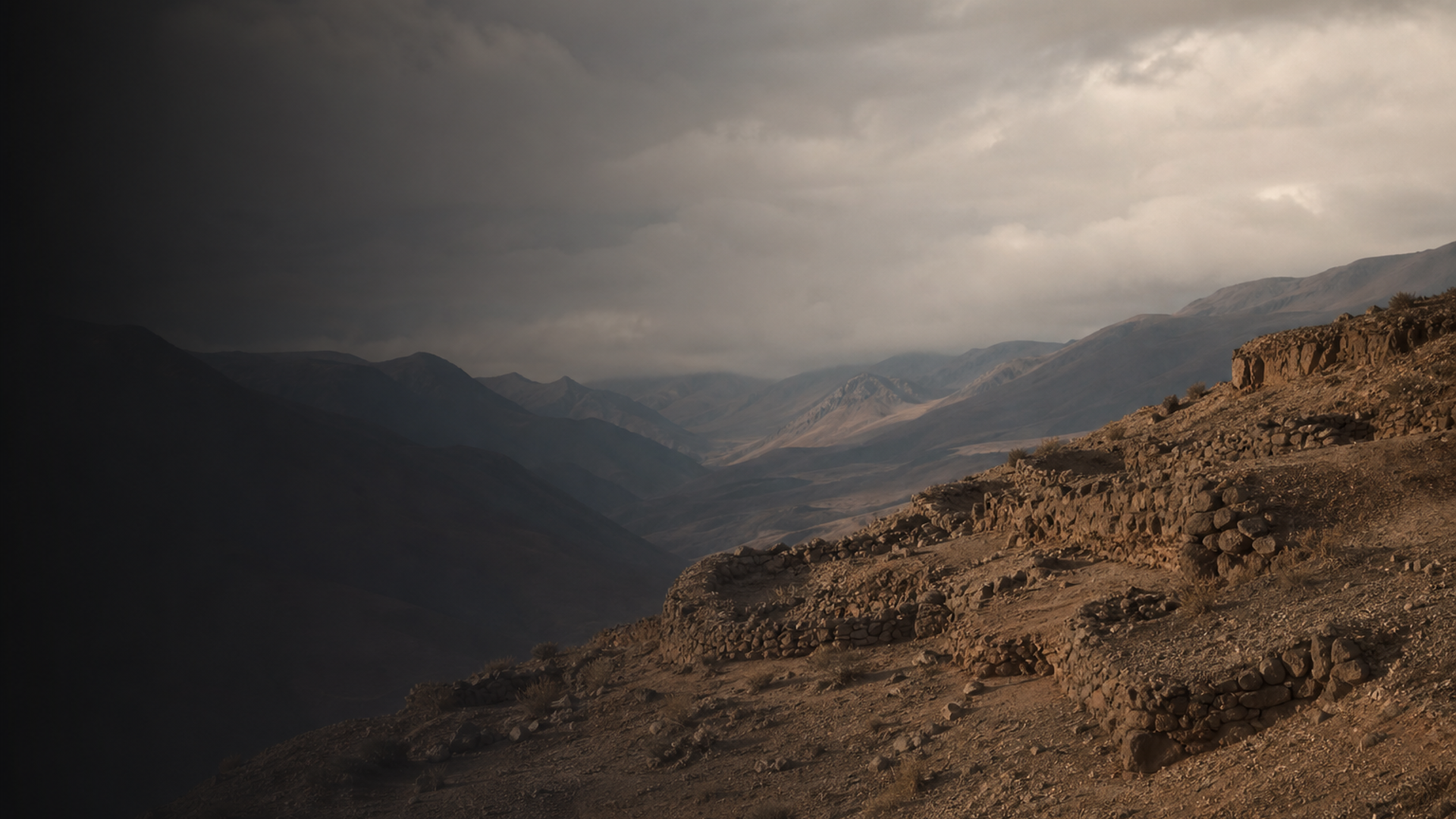
Ancient DNA from the Pukara precordillera individual provides a rare molecular glimpse into LIP populations of northern Chile. The single male-associated sample carries Y-chromosome haplogroup Q and mitochondrial haplogroup C1b—both lineages widespread among Indigenous peoples of the Americas. Haplogroup Q on the paternal line is consistent with deep Native American ancestry linked to early peopling events, while mtDNA C1b aligns with maternal lineages common in South America.
These assignments resonate with archaeological expectations: continuity of Indigenous Andean genetic ancestry across the highlands and desert margins. However, with only one genome available (sample count = 1), any inference about population structure, sex-biased migration, or admixture during the Late Intermediate Period must be treated as provisional. Low sample size prevents robust statements about haplogroup frequencies, local diversity, or the extent of gene flow between highland and coastal groups.
Future sampling across multiple pukará and valley cemeteries could test whether Q and C1b were dominant locally, reveal microregional differences, and clarify demographic processes such as mobility, marriage networks, and elite lineage transmission. For now, genetics corroborate Indigenous Andean roots but stop short of defining population dynamics in the precordillera definitively.