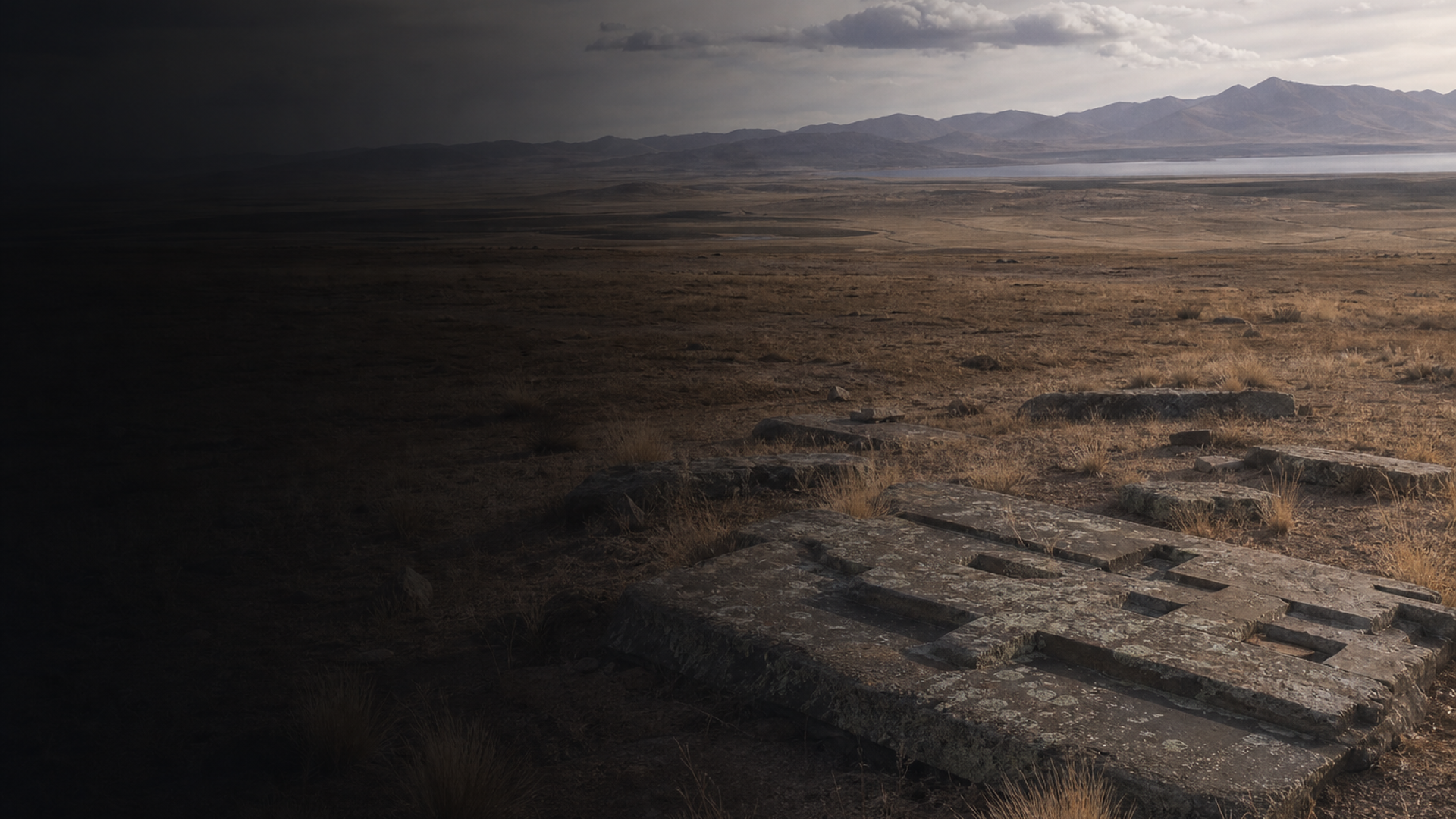
Life in the shadow of Tiwanaku's platforms would have been a tapestry of agriculture, craft, ritual, and trade. Archaeological excavations across the Tiwanaku complex (Kalasasaya, Akapana, Pumapunku) reveal household debris, textile fragments, metal tools, and zooarchaeological remains that speak to diets based on tubers (potato varieties), quinoa, and camelids. Raised-field agriculture around Lake Titicaca provided resilient food production in a high-altitude environment and supported dense settlement.
Pumapunku's carved stone architecture and standardized construction blocks imply organized labor and skilled artisanship. Workshops and discarded production debris recovered in and near Tiwanaku suggest craft specialization in weaving, metallurgy (copper alloys), and stone carving. Public spaces and monumental platforms likely hosted feasting and ritual activities that reinforced social hierarchies and regional authority.
Burial contexts in the broader Tiwanaku region show variation — from modest domestic interments to more elaborate offerings — indicating social differentiation, but direct mortuary links to Pumapunku's monumental core remain incompletely documented. Archaeological interpretations emphasize a society where ritual and economy were deeply intertwined; however, many details of household composition, mobility, and identity at Pumapunku await finer-grained excavation and bioarchaeological study.