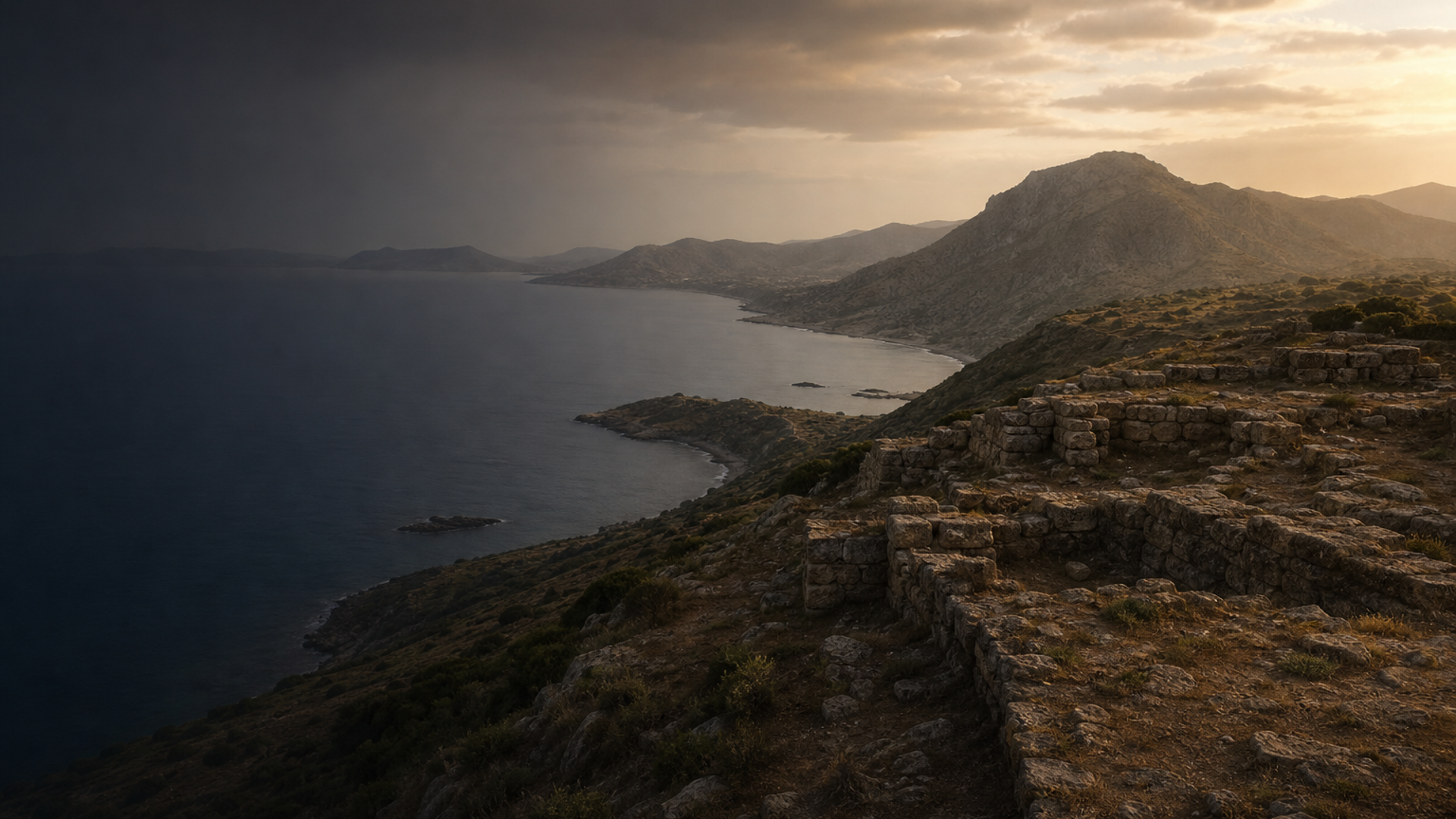
Imagine a harbor dawn with amphorae stacked on quays, craftsmen at the hearth, and ritual lights in family tombs. Archaeological remains from Monte Sirai and nearby cemeteries suggest a life shaped by maritime trade, agriculture and craft specialization. Artisans worked metal and ceramics; imported wares—Phoenician fineware, oil and wine amphorae—sat alongside locally produced pottery. Funerary contexts vary: some tombs follow island traditions, others reflect Mediterranean mortuary practices, indicating social diversity and possibly different identity claims within the same community.
Evidence from settlement layouts hints at social complexity—compact neighborhoods, defensive walls, and workshops point to organized civic life. Agricultural terraces and pastureland inland connected coastal settlements to Nuragic hinterlands, sustaining a mixed economy of cereals, olives, and livestock. Ritual practice—seen in votive finds and burial assemblages—evokes a cultural atmosphere in which local beliefs and foreign cults could coexist.
Archaeological data indicates that gendered divisions of labor, trade-linked mobility, and intermittent conflict all shaped daily experience. Yet material culture alone cannot reveal personal biographies; genetic and isotopic data add human dimensions, clarifying mobility patterns, kinship and the ways people moved between sea and land.