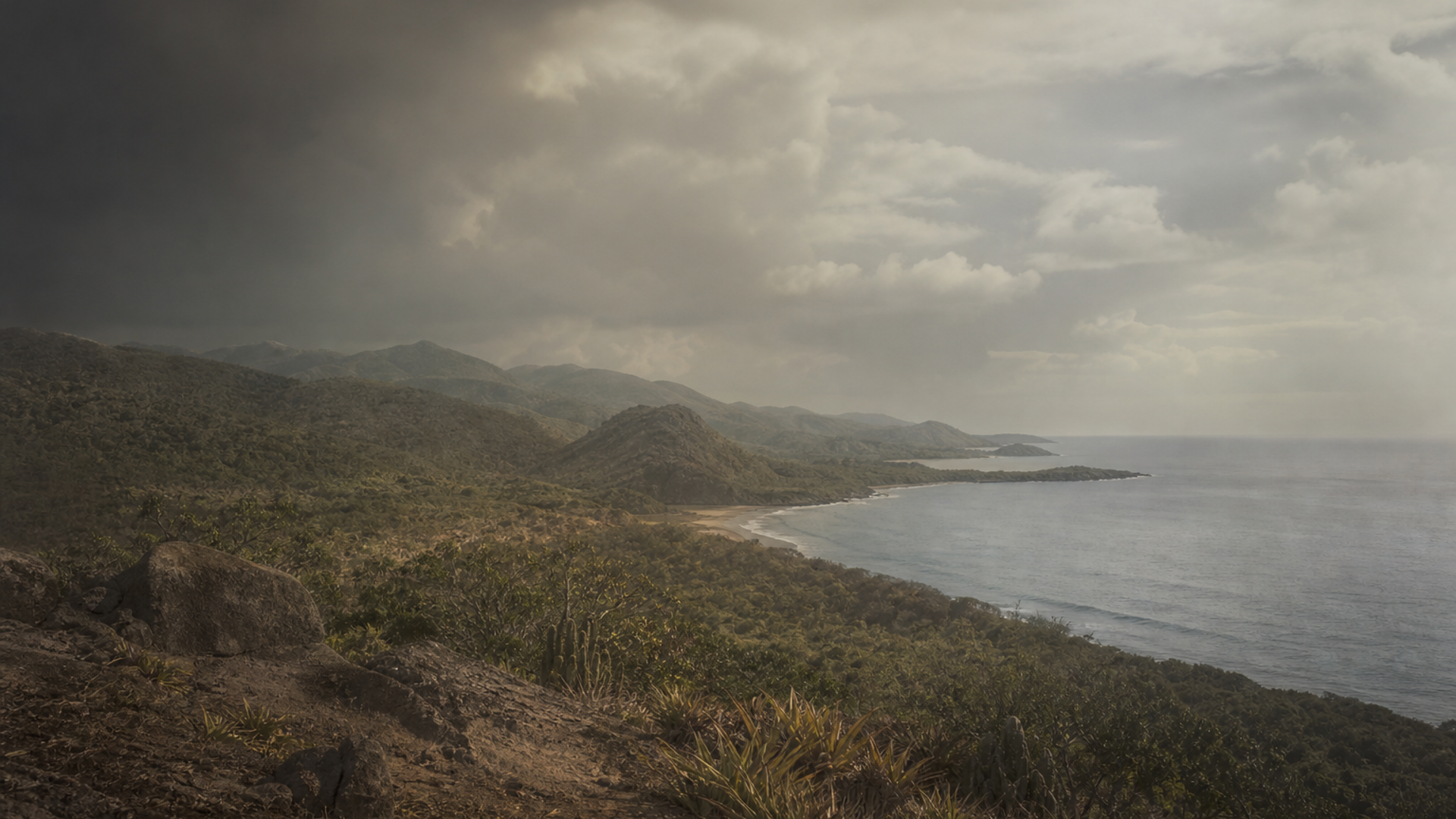
Imagine dawn light on a low sandy ridge where pottery smoke mingles with the salt breeze. At Punta Candelero, households likely clustered near the shore to exploit abundant marine resources—fish, crustaceans, and shellfish visible today in midden deposits. Archaeological indicators such as concentrated hearths, broken ceramics, and tool fragments point to a domestic economy centered on cooking, shellfish processing, and small-scale horticulture.
Social life would have been organized around kin groups and craft specialists. Pottery styles—decorated rims, incised motifs, and specific tempers—are signals of identity and social ties; they could mark lineage, exchange partnerships, or ritual practice. Burial practice in the Ceramic Period across Puerto Rico is variable; at many coastal sites, human remains are recovered in contexts that suggest episodic interment near living areas or in discrete cemetery locales. Such patterns are consistent with communities that maintained strong ties to particular coastal landscapes.
Archaeological data indicates a resilient coastal adaptation, but the picture is incomplete. Preservation biases, looting, and the relatively small sample sizes available for genetic study mean our reconstructions of daily life remain inferential, best considered as informed snapshots rather than full portraits.