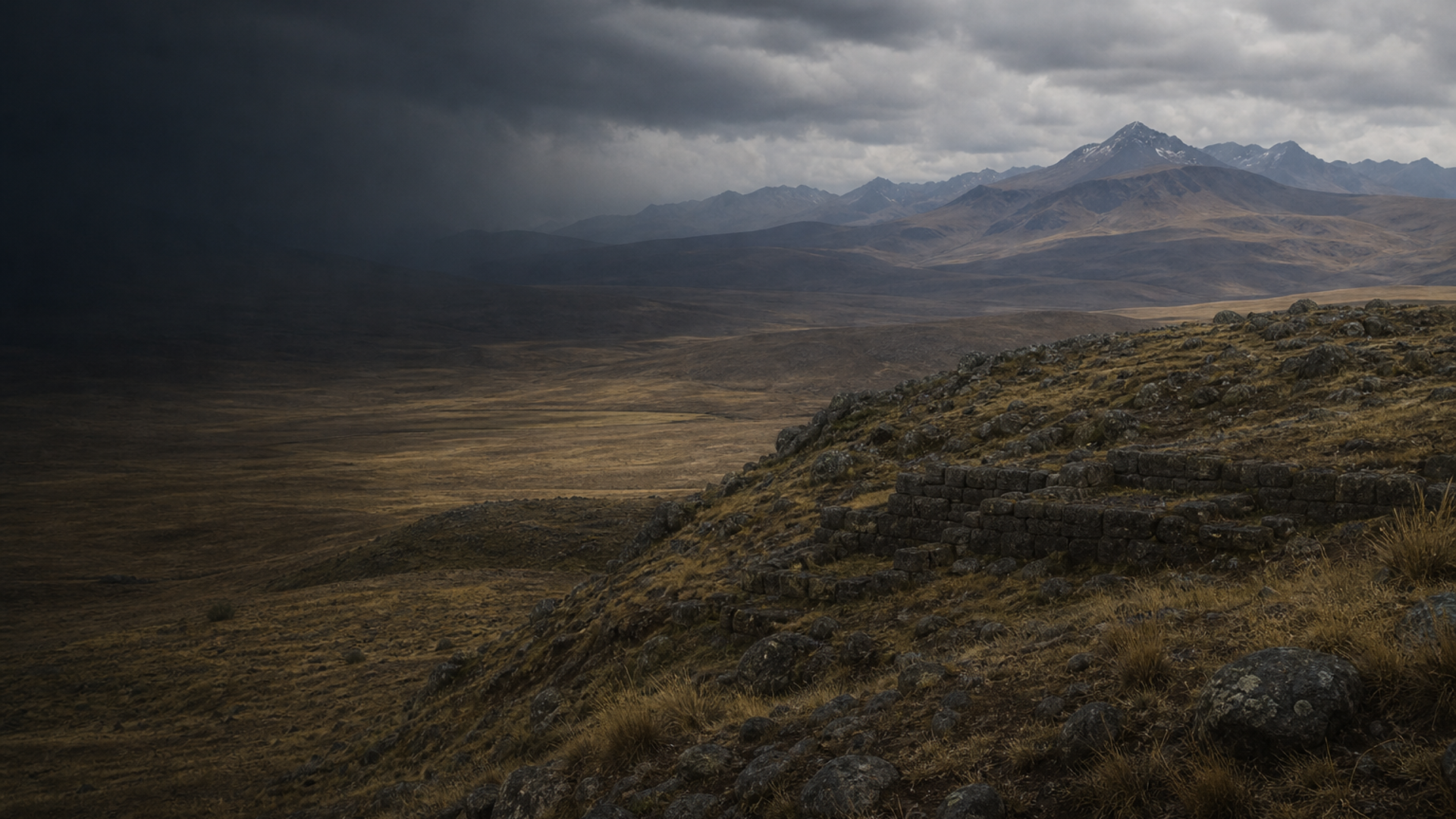
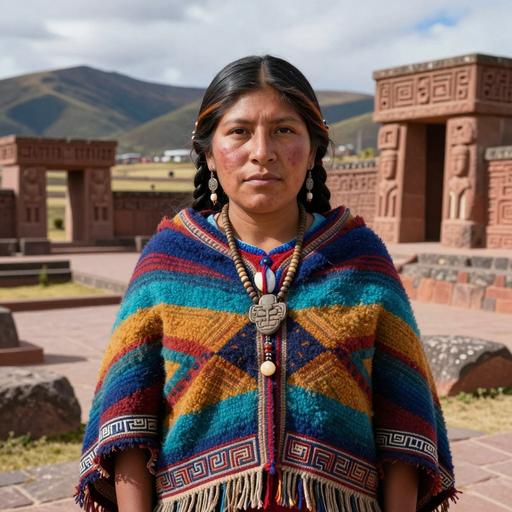
The life-world of Putuni’s inhabitants would have been defined by the interplay of high-altitude agriculture, herding, and ritual performance. Archaeological data from the Tiwanaku region documents intensive use of raised-field agriculture (suka kollu) and irrigation that sustained dense populations across the altiplano; households combined cultivation of tubers and grains with camelid pastoralism. At Putuni, domestic architecture and tool assemblages recovered in limited excavations reflect craft activities — pottery production, textile working, and stone tool maintenance — embedded in a communal landscape dominated by ritual plazas and ceremonial architecture elsewhere in the Tiwanaku world.
Ceremony and social differentiation likely structured daily rhythms. Offerings, human and animal interments, and iconographic motifs from nearby Tiwanaku centers point to a society where elite ritual could articulate regional identities and redistribute agricultural surplus. Material culture suggests both local craft traditions and stylistic borrowings, implying mobility of goods, ideas, and possibly people.
Yet, for Putuni we must be cautious: the sample is on the order of a single individual, and broader inferences about household composition, kinship structures, or social hierarchy require more complete excavation and contextualized finds. Archaeology indicates complex, interconnected lifeways, but the details at Putuni await fuller recovery.