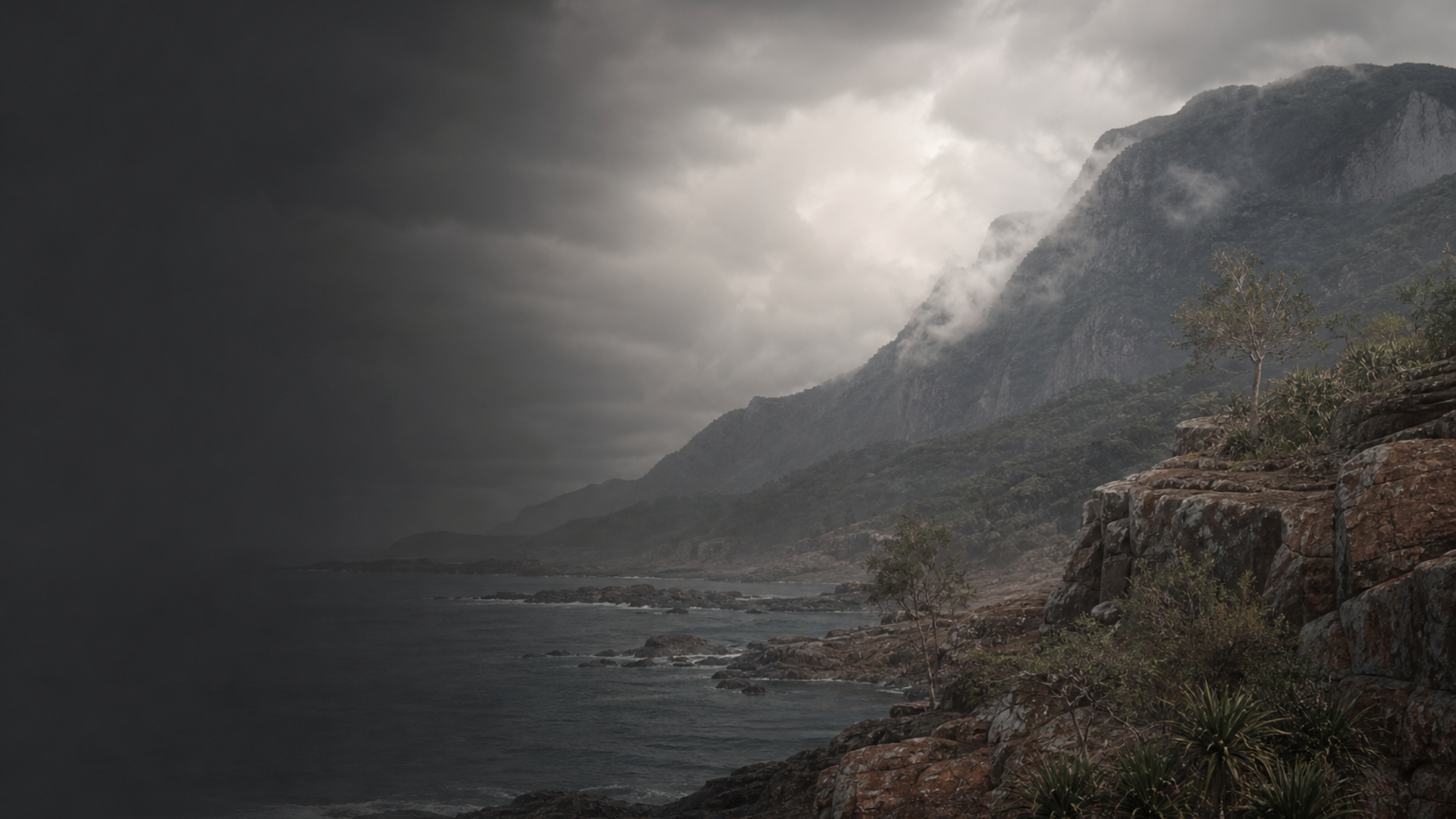
Daily life along North Queensland’s coast unfolded in rhythms set by tides, monsoon seasons, and reef cycles. Archaeological traces — shell middens, bone and fish‑hook fragments, ground stone tools and pigment residues — point to diets heavy in fish, shellfish, and seasonal plant foods, supplemented by terrestrial game. Rock shelters and open coastal camps provided nodes for social exchange, ritual activity, and the production of ochre and bark materials that fed long-distance networks.
Material culture implies a finely tuned ecological knowledge: tidal fish traps, spear and hook technologies, and plant processing tools. Decorative practices recorded in pigment fragments and portable art echo broader Aboriginal aesthetic traditions. Spatial patterns of artifacts and food debris show repeated use of favored estuarine and reef-edge locales, suggesting stable territorial areas and well-known resource calendars.
Ethnographic and archaeological perspectives together emphasize the social importance of coastal places as both subsistence zones and cultural landscapes. Yet many specifics of social organization, language groups, and ritual practice for these particular sites remain archaeologically thin and require collaboration with descendant communities for fuller interpretation.