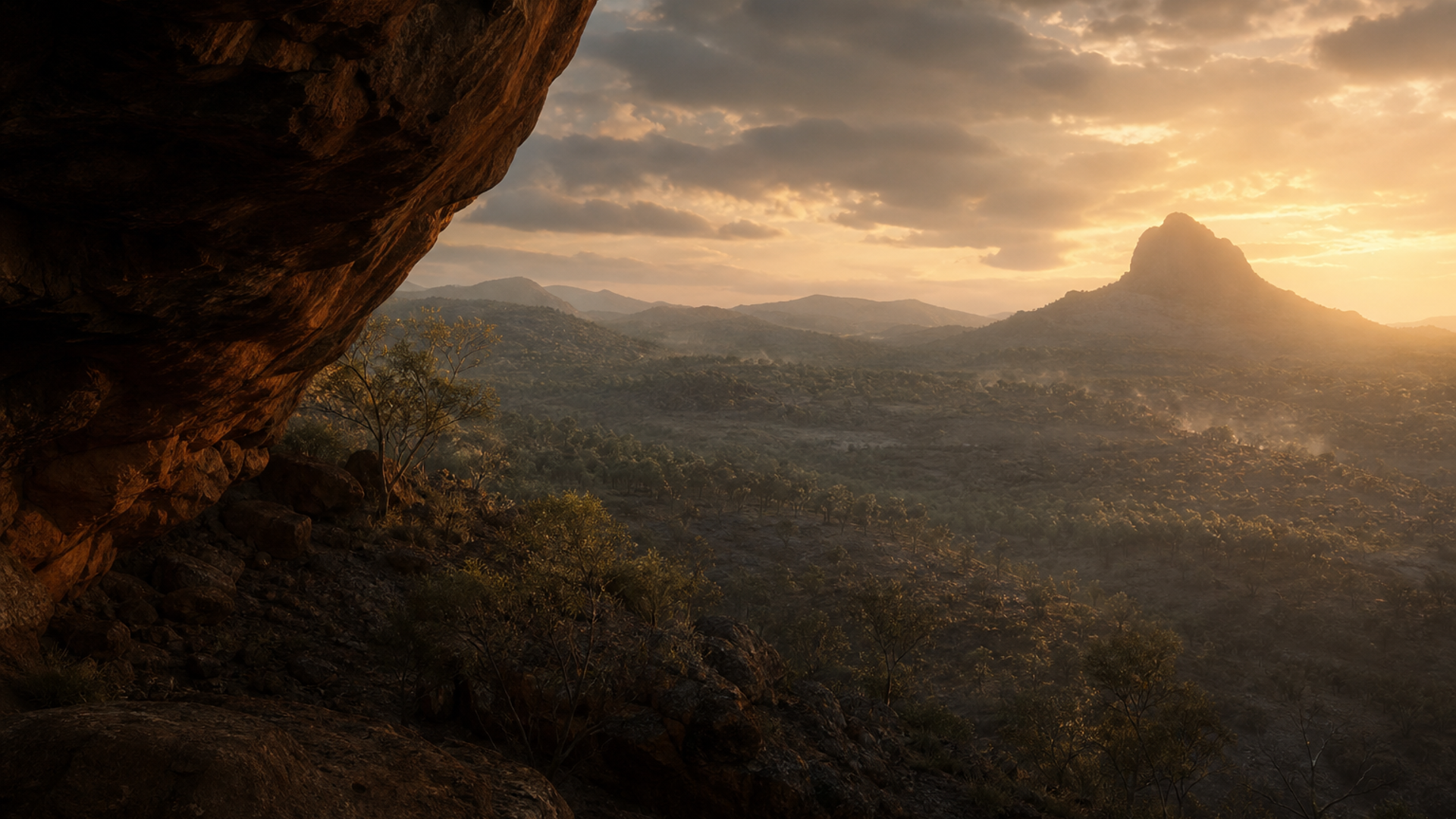
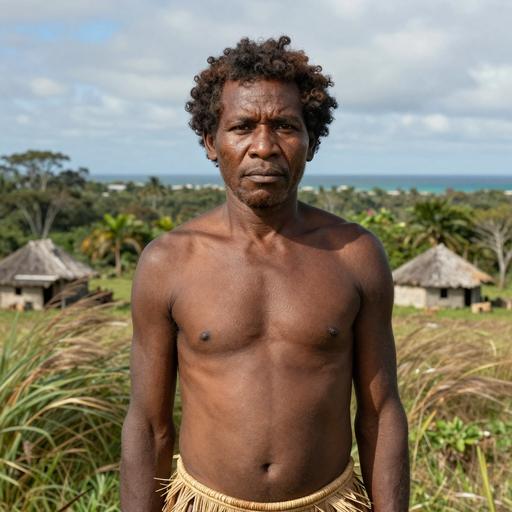
Coastal Queensland offered a cinematic mix of reefs, mangroves, estuaries and open ocean. Archaeological evidence from the region indicates dependence on marine resources—fish, shellfish, turtles and seabirds—supplemented by hunting, foraging and plant use on adjacent mainland and island environments. Sites such as Flinders Island preserve the echoes of repeated seasons: thick shell middens, working stone flakes and concentrations of food debris.
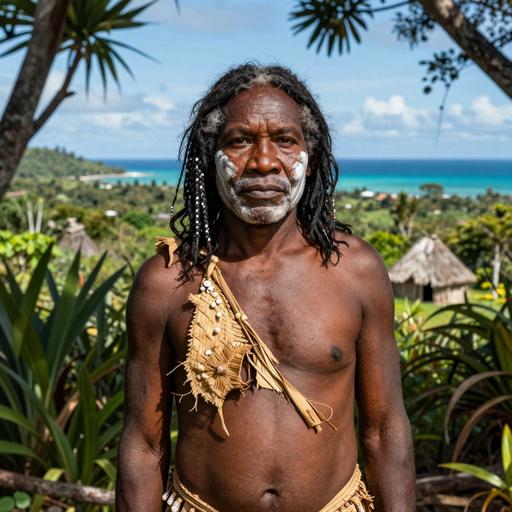
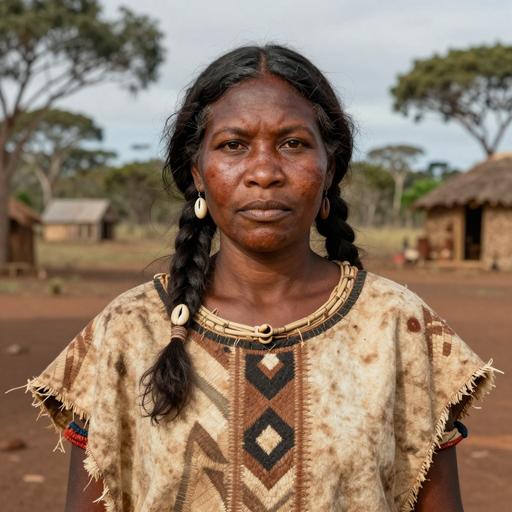
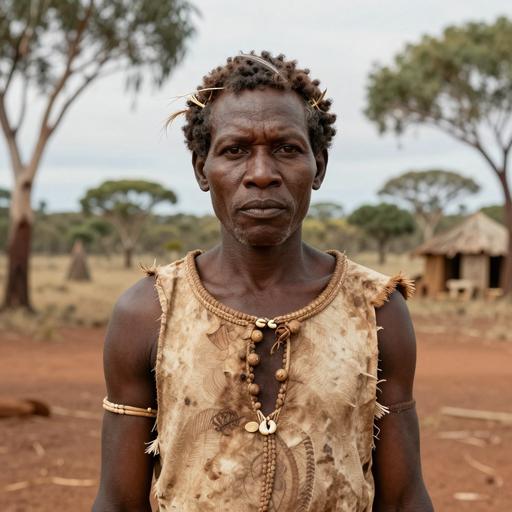
Social life in these settings was organized around kinship networks and mobility rhythms tied to resource availability. Canoe travel, inter‑island exchange and seasonal gatherings likely structured marriage ties and knowledge transmission, including songlines and navigational lore. Material culture would have included intricately made tools for fishing and shellworking, ornamentation, and portable goods carried along maritime routes. Rock art and oral traditions from the broader Cape York and Torres Strait regions testify to complex cosmologies that integrate sea and land.
Archaeological interpretations must be balanced with oral histories and contemporary Indigenous knowledge. The material record alone is incomplete; when combined with genetic data, it can illuminate patterns of relatedness, mobility and resilience, but only tentatively when sample numbers are low.