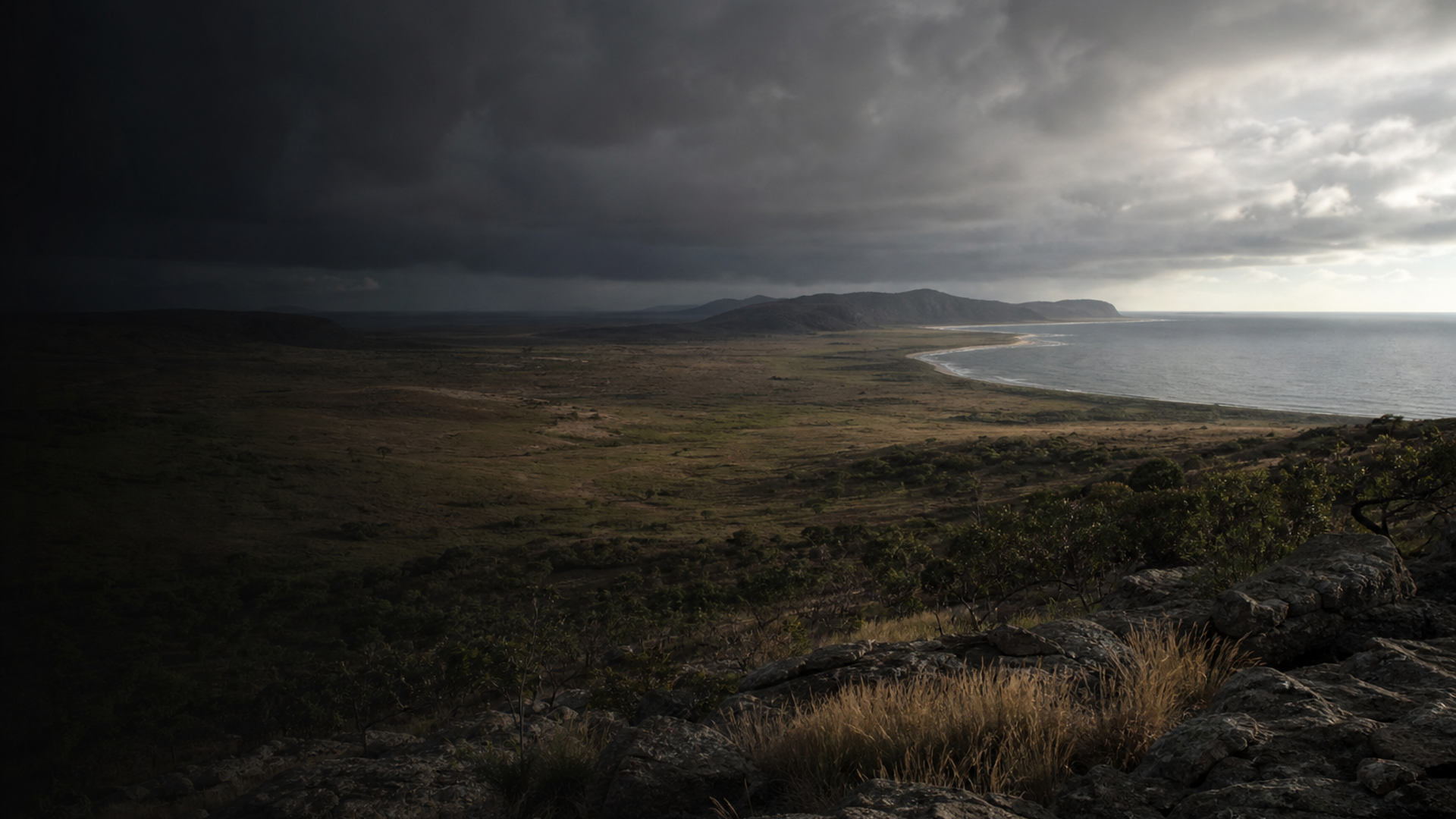
Imagine tidal rhythms setting the tempo of daily life: fishers and gatherers moving between mangroves, reef platforms and inland creeks, leaving behind layered shell middens and hearths. Archaeological deposits at locations like Flinders Island preserve dense concentrations of marine shell, fish bone, and stone tools that signal specialized coastal economies. At Cape York and Mapoon, the landscape of river mouths and estuaries supported seasonal rounds that integrated marine harvest, freshwater resources and terrestrial game.
Social life would have been organized around kin networks, country‑based custodianship, and knowledge of tides, stars and seasonal cycles. Portable material culture—fishhooks, shell tools, and ochre pigments linked to rock art traditions across northern Queensland—speaks to complex symbolic life as well as subsistence. Archaeological data indicates continuity in tool forms and site placement through the first and second millennia CE, but the small number of genetically analyzed burials means we must not assume uniformity across the whole region. Ethnographic and Indigenous knowledge demonstrate a mosaic of interconnected communities with enduring ties to particular sea country.