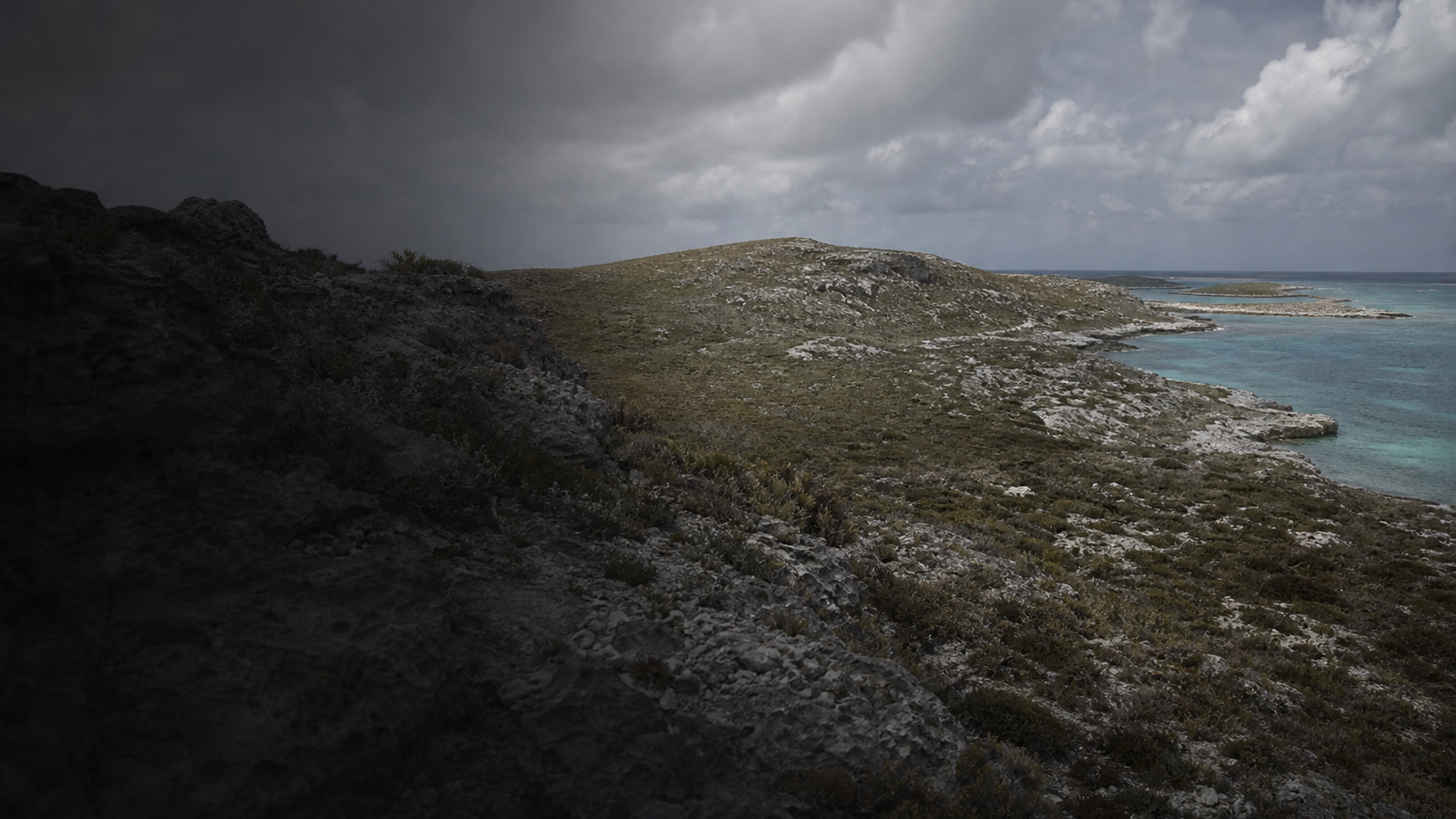
Imagine dawn over a salt flat: canoes slip from fractured coral beaches, fishermen cast nets into turquoise shallows, and women tend shallow hearths where simple ceramic pots simmered stews of fish, shellfish and tubers. Archaeological data indicates diets dominated by marine resources—fish, conch and turtle—supplemented by coastal foraging and cultivated root crops where substrates permitted.
Settlement traces on small cays suggest seasonal mobility, with households occupying lean, well-adapted structures and leaving behind middens that archaeologists now read as diaries of diet and craft. Pottery sherds recovered at Flamingo Cay show surface finishes and forms consistent with the Ragged Island Ceramic corpus: plain to simple decorated vessels suited to boiling and storage. Ornament and small-tool assemblages imply finely tuned technical knowledge of shell and bone working, while occasional exotic artifacts or non-local shell types signal exchange across channels.
Social organization was likely community-centered and flexible, optimized for a dispersed islandscape rather than hierarchical urban centers. Archaeological data indicates kin-based groups organized around marine resources and seasonal movement, with cultural practices transmitted through inter-island contact and trade.