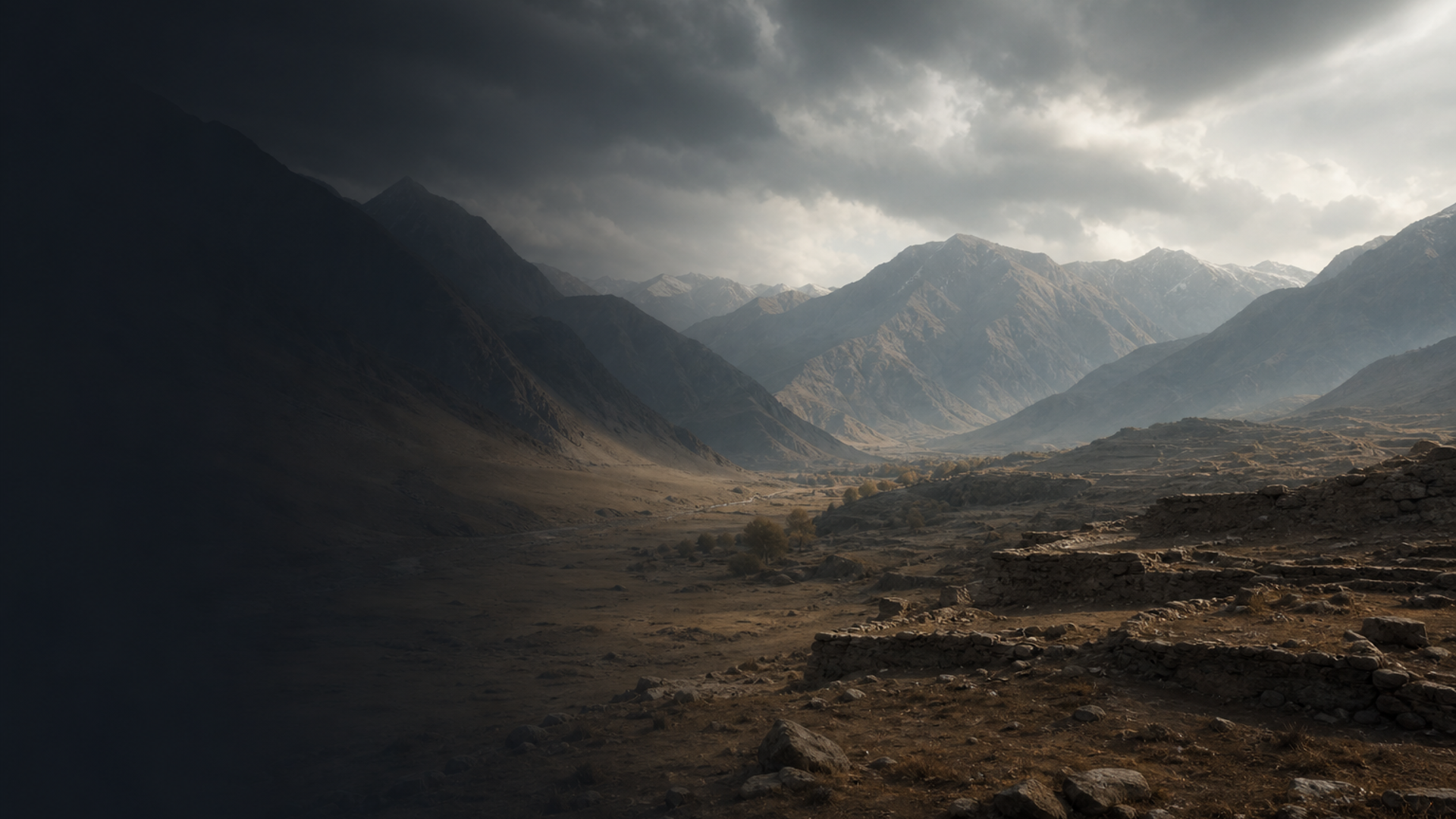
The people of Saidu Sharif inhabited a landscape of steep terraces, riverine corridors, and upland pastures. Archaeological traces—house plans, hearths, and toolkits—indicate household economies organized around mixed farming, seasonal herding, and artisanal production. Objects recovered in the Swat Valley, including fragments of iron tools and locally made pottery, suggest everyday activities of cultivation, weaving, metalworking, and local exchange.
Burial contexts from the Saidu Sharif Iron Age Complex show variability: some interments are simple, others accompanied by personal ornaments or utilitarian objects. This variation hints at social differentiation, but preservation and sampling biases mean social reconstructions remain tentative. Inhabitants likely participated in wider networks: river routes and mountain passes connected them to markets and ideas across Gandhara and beyond, bringing exotic raw materials and stylistic influences that would animate local workshops.
Archaeology here often reads like a film of small domestic scenes—children playing at hearths, smiths hammering in shaded courtyards, traders arriving with new wares—set against a backdrop of shifting political boundaries. Yet many specifics of household composition, status markers, and ritual practice remain incompletely known and subject to ongoing fieldwork.