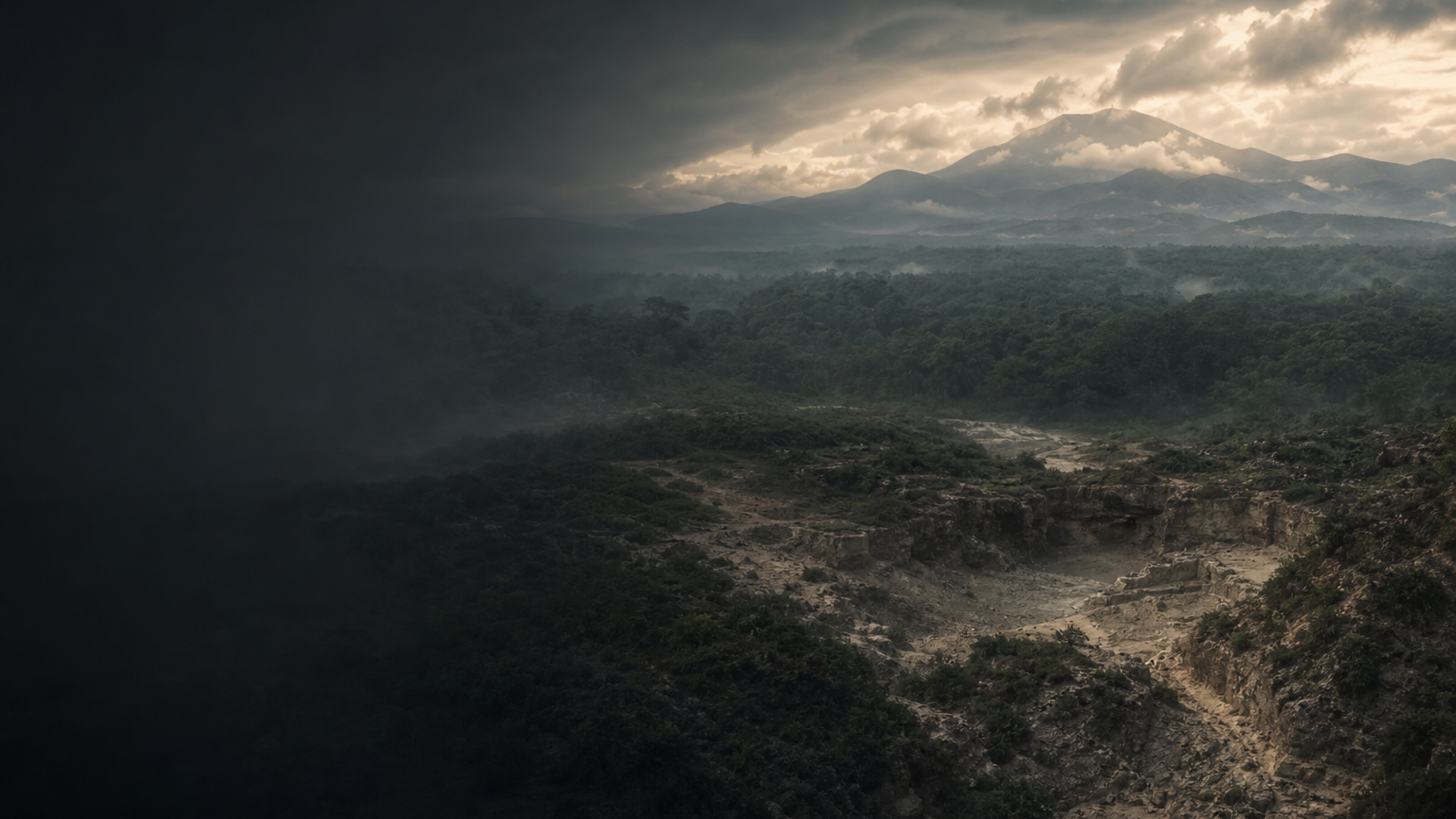
Archaeological data from early Holocene Belize point to lifeways adapted to a tropical, dynamic environment. At Saki Tzul, the preservation of organic material alongside occupation layers suggests people were embedded in riverine and forest ecologies: fishing, collecting shell and plant resources, and using locally available stone for tool manufacture are likely components of daily life.
Patterns visible in the deposits—spatially discrete hearths, food debris, and worked stone in similar regional sites—suggest small, kin-based groups with high mobility across river corridors and seasonally productive patches. The climate of 7,400 years ago was stabilizing after late-glacial shifts, and communities would have negotiated changing distributions of game, fish, and edible plants. Archaeological evidence indicates a material culture tuned to flexibility rather than dense sedentism at this early stage in Belize.
Because direct evidence for social structures (e.g., house forms or long-lived settlements) is limited at Saki Tzul, reconstructions emphasize economy and landscape-use rather than detailed social hierarchies. Ethnographic analogy and regional comparisons provide hypotheses, but these remain tentative in the face of limited on-site data.