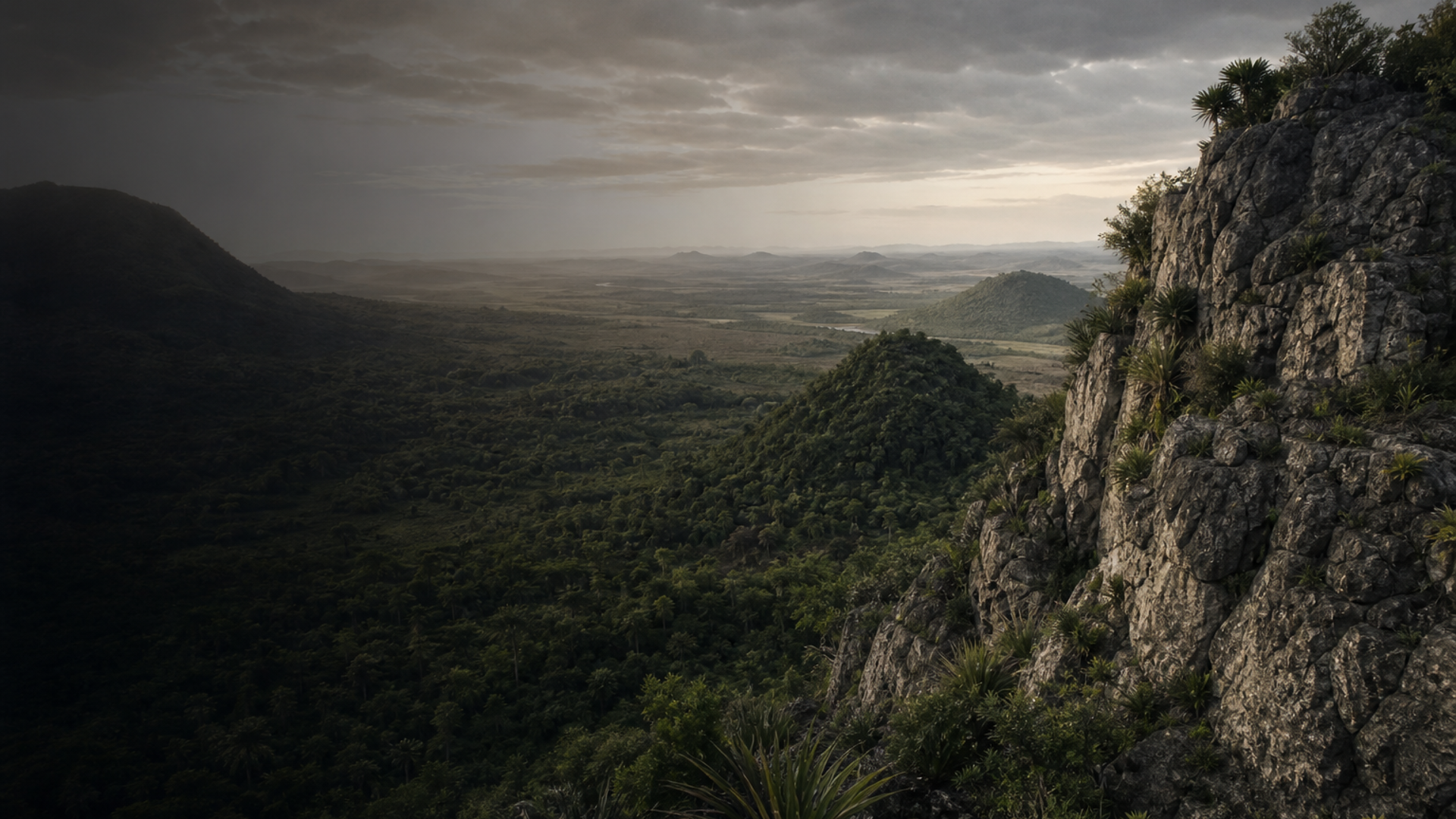
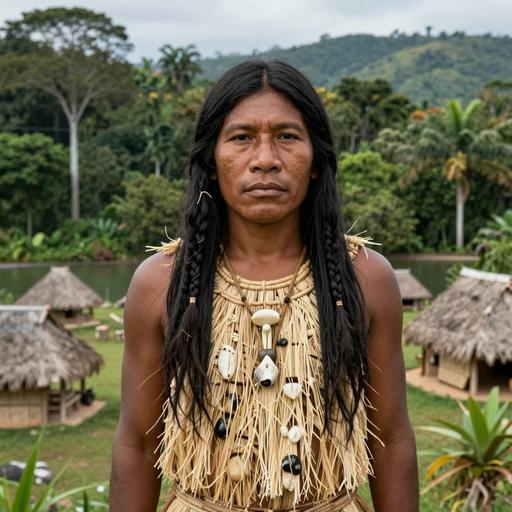
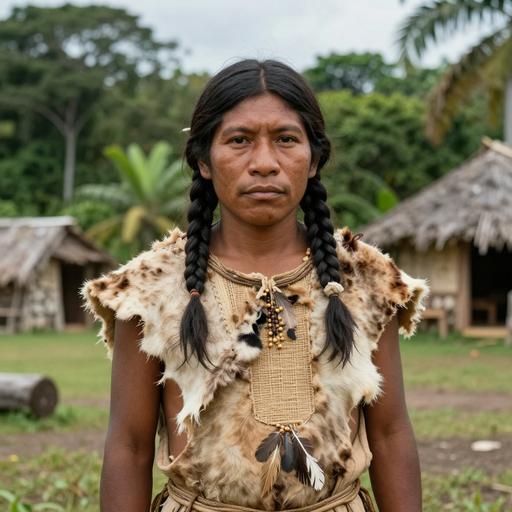
Reconstructing daily life at Saki Tzul requires combining environmental inference with careful restraint. The mid-Holocene tropical setting of Belize would have offered abundant freshwater resources, terrestrial game, and coastal foodways within seasonal rounds. People likely moved across riverine corridors and floodplain forests, exploiting shellfish, fish, and forest plants when available.
Material traces from this period in southern Belize are often ephemeral: stone tools, hearths, and discard concentrations reflect highly mobile economies rather than dense sedentary villages. Social groups were probably small and flexible, organized around kin networks with seasonal aggregation for resource-rich periods. Mortuary treatment preserved at Saki Tzul indicates the intentional burial of individuals, which signals social recognition and potentially place-based identities.
Archaeological data indicates adaptations tuned to a changing climate and landscape. However, because direct cultural assemblage details from Saki Tzul are limited, many specifics of craft, ritual, and social hierarchy remain unknown. Comparative study with other Archaic sites in Belize and neighboring regions helps fill interpretive gaps but cannot replace targeted excavation and community-engaged research at Saki Tzul itself.