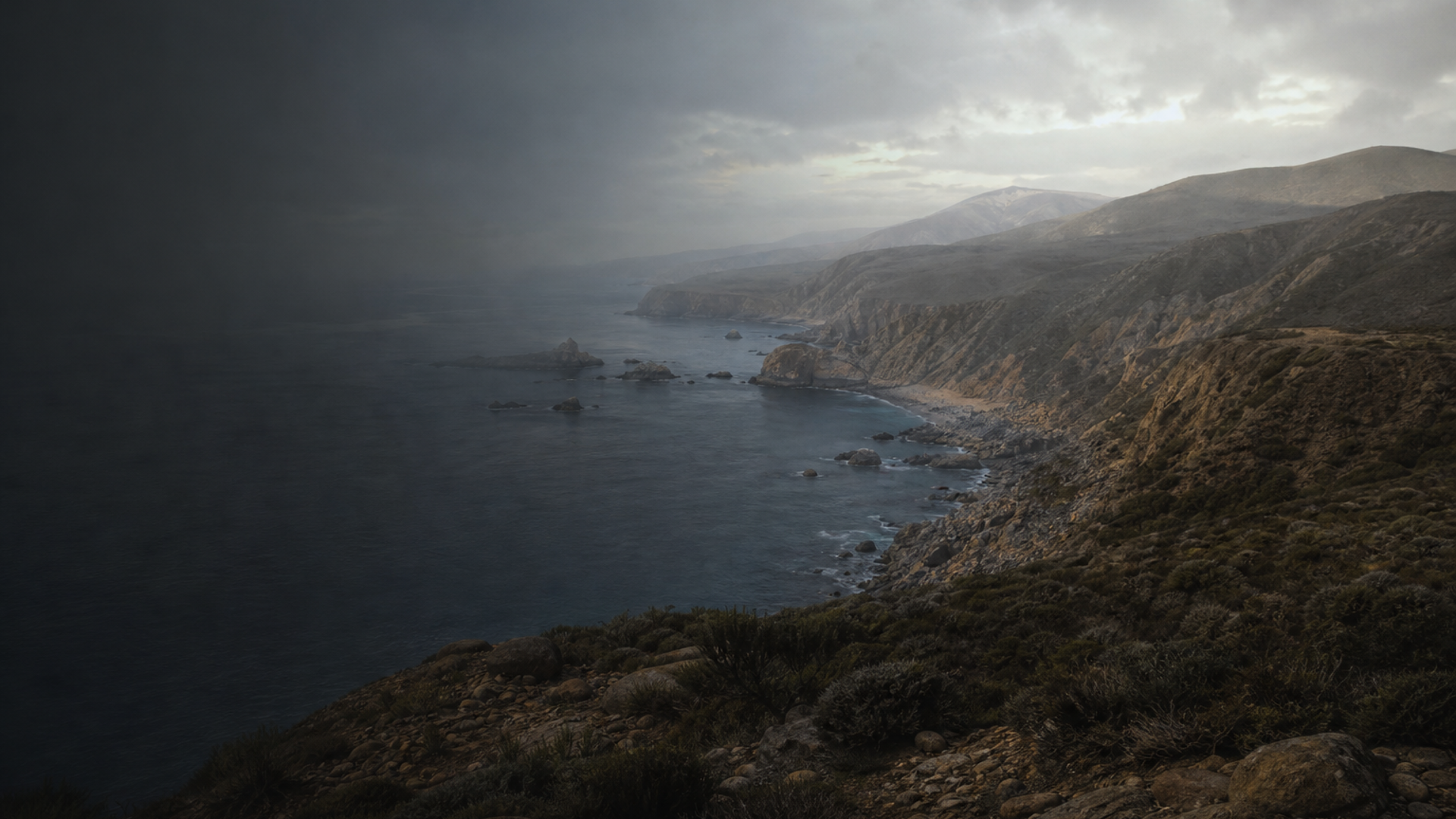
Genetic analysis of five individuals from CA-SRI-2B yields a concise but meaningful profile. All five preserve mitochondrial haplogroup A2, a foundational maternal lineage widely distributed among Indigenous peoples of the Americas. The uniform presence of A2 in this small sample hints at maternal continuity on Santa Rosa Island or within a closely related island lineage, but the sample size is too small to establish population-wide homogeneity.
On the paternal side, three of the sampled males carry Y-haplogroup Q, a lineage deeply rooted in Native American prehistory and common across North and Central America. The presence of Q is consistent with regional paternal ancestry patterns, but the absence of other Y-haplogroups in these five individuals should not be interpreted as absence in the past—sampling is limited and male lineages can be lost or overrepresented by chance.
From a population-genetic perspective, island communities often experience reduced effective population size and genetic drift, which can amplify certain haplogroups and obscure past diversity. The CA-SRI-2B results are therefore informative but preliminary: they suggest maternal continuity and paternal affiliation with broader Native American lineages, yet they cannot resolve questions of gene flow between island and mainland, timing of isolation, or finer-scale kinship without additional genomes. Community collaboration, expanded sampling, and comparative analyses with mainland Chumash and other Channel Islands aDNA will be needed to move from intriguing hints to robust models.