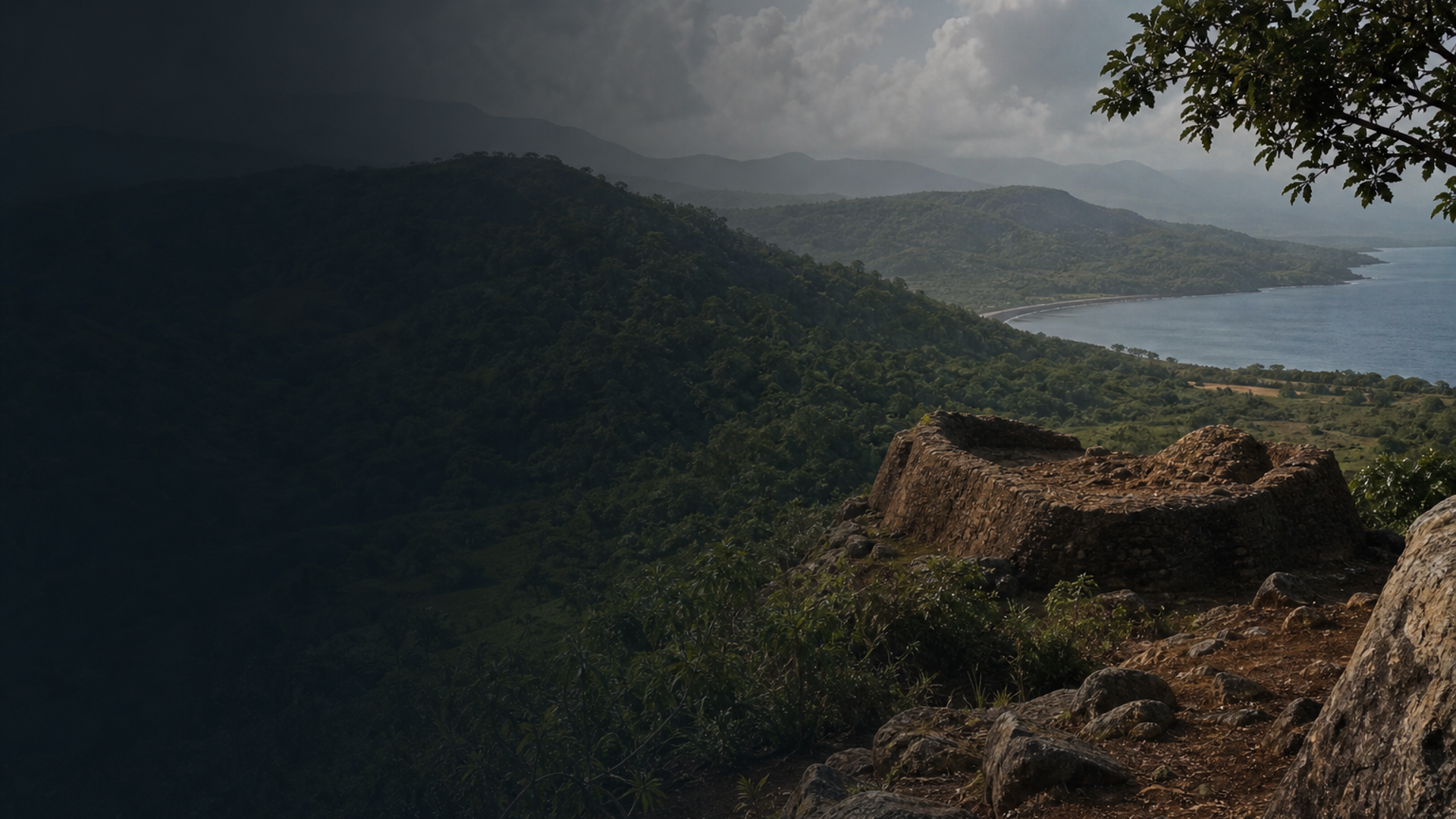
Life at Santa Elena can be imagined through the traces left in earth: potsherds, food debris, stone tools, and middens testify to a mixed coastal subsistence of fishing, shellfish gathering, and horticulture. Archaeological excavations in Ceramic Period contexts on Puerto Rico recover hearth features, storage-associated pottery, and concentrations of shell that indicate seasonal or permanent use of shoreline resources.
Settlement layouts likely consisted of small villages or hamlets oriented to lagoons, inlets, and rich reef zones. Canoes and open-water navigation allowed people to maintain inter-island ties — carrying pottery styles, raw materials like stone and shell, and social practices. Craft production focused on ceramics for cooking and storage and on shell and bone tools for fishing and weaving. Social life would have combined household-level production with communal gatherings, ritual activities, and mortuary practices; however, specific ceremonial behaviors at Santa Elena remain poorly documented in the published record.
Archaeology suggests resilience and adaptability: communities balanced cultivation of root crops and tubers with intensive marine harvesting. Changes in pottery style and site distribution across the Ceramic Period hint at shifting social networks and responses to environmental and demographic pressures.