Santok at the Crossroads

Download PDF creates a visual, rasterized copy. Use Print for selectable text and better assistive-technology support.

Skip to main content
Civilization Spotlight

Santok at the Crossroads

A medieval riverside hub in western Poland, visible in bones and genomes

1000 CE - 1287 CE
Santok, Lubusz Province, Poland

The Story

Archaeological and genetic evidence from Santok (1000–1287 CE) illuminates a medieval community on the Warta river. Material culture and 46 ancient genomes suggest local continuity with regional Iron Age roots and dynamic connections across Central Europe.

Time Period

1000–1287 CE

Region

Santok, Lubusz Province, Poland

Common Y-DNA

CTS (8), L (7), PF (3), M (2), YP (2)

Common mtDNA

H (14), U (11), T (5), J (3), W (2)

Timeline

1000 CE

Early medieval occupation attested

Archaeological layers at Santok show organized settlement and craft activity around this time.

1100 CE

Riverside trade intensifies

Material culture and imported sherds indicate increased exchange along the Warta corridor.

1287 CE

Latest dated individuals in dataset

Genetic sampling yields individuals dated up to this year, framing the temporal boundary of the collection.

Origins & Emergence

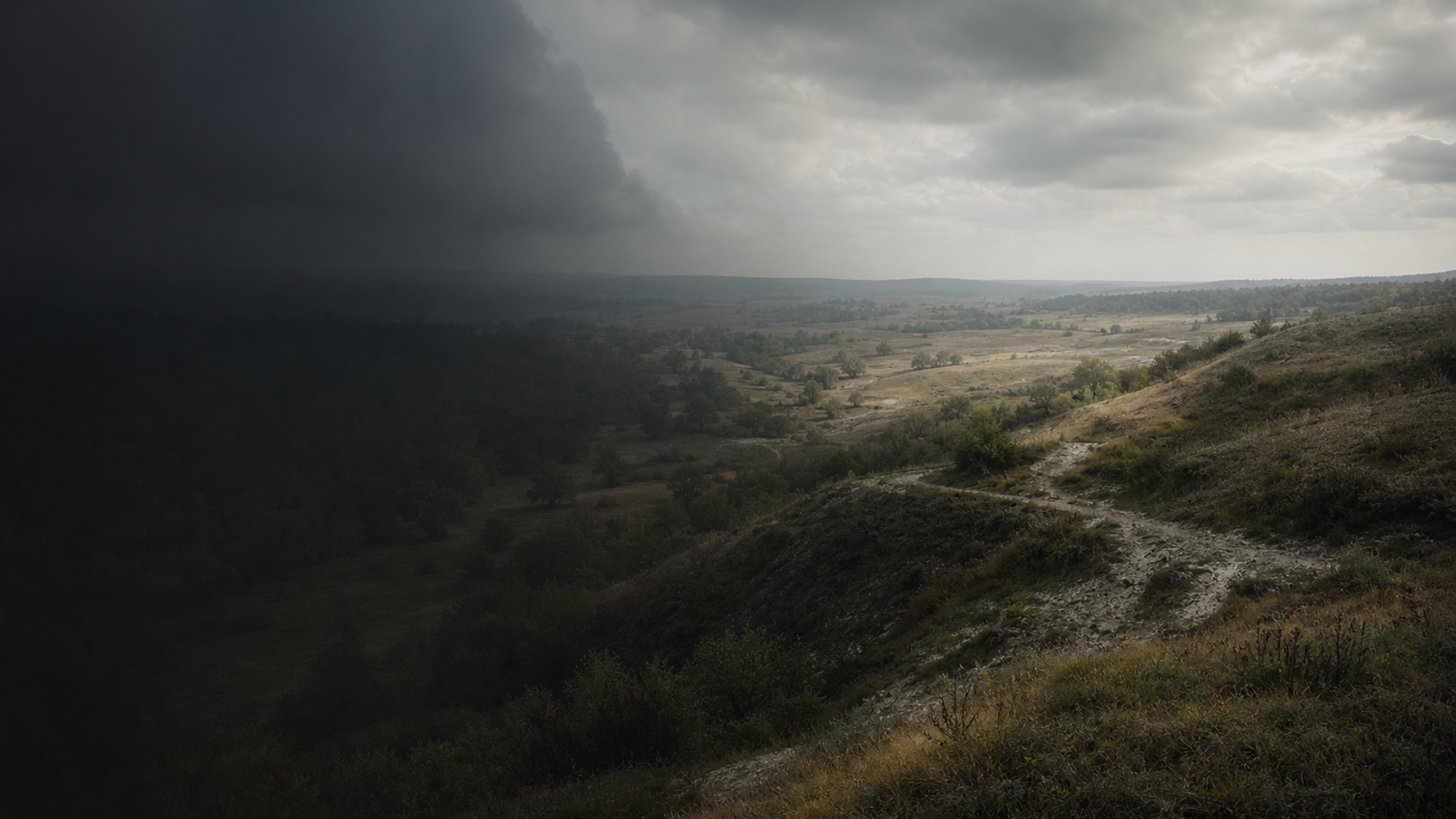
Santok sits where the Warta meets human movement — a low-lying, marsh-fringed knot of river, road and resource that drew people through the first millennium CE and into the medieval period. Archaeological data indicates settlement continuity in the Santok area from Iron Age occupation layers into the early medieval horizon, with defensive earthworks and pottery styles that echo earlier local traditions attributed in the literature to the so-called Santok Culture. By 1000 CE Santok emerges in the material record as a nucleated riverside community: timber architecture, metalwork fragments, and graves attest to a place of both local persistence and wider exchange.

Limited evidence suggests Santok’s strategic position promoted interaction with neighboring Piast polities and with traders moving along the Warta and Odra corridors. While settlement stratigraphy offers a sequence of local development, the picture remains incomplete: preservation bias in wetland soils and uneven excavation coverage mean that many aspects of the site's earliest medieval formation are still being reconstructed. The combined archaeological and genetic data help fill those gaps, indicating a community rooted in regional traditions yet receptive to incoming people and ideas. This converging evidence frames Santok not as an isolated village but as a lived landscape at the crossroads of Central European networks.

  • Continuity from Iron Age layers into medieval occupation
  • Strategic riverside location fostering trade and mobility
  • Archaeological record is robust but uneven; some inferences remain tentative

Daily Life & Society

The material remains from Santok evoke daily rhythms bound to water, wood and field. Excavations in the Santok area (Lubusz Province, Gorzów Wielkopolski district) have recovered house plans of post-and-wattle construction, smithing debris, ceramic assemblages, and animal bone refuse that speak to mixed farming, localized craft production, and seasonal river traffic. Artefacts include iron tools, belt fittings and imported pottery sherds that hint at both everyday practicality and occasional long-distance contacts.

Burial evidence and grave goods, where preserved, suggest a community structured around family and craft groups rather than rigid aristocratic hierarchies. Isotopic studies (where available) and the mortuary variability indicate diets based on cereals, domestic animals and river fish, with occasional access to imported foodstuffs. Craft specialization in metalworking and leather goods emerges in the refuse assemblages, consistent with Santok’s role as a node on inland trade routes. Yet archaeological data also shows local resilience: building repairs, reused materials, and continuity of ceramic forms point to long-term place attachment among inhabitants.

  • Mixed farming, river resources and small-scale craft production
  • House remains and artefacts indicate continuity and occasional trade connections

Genetic Profile

The genetic dataset from Santok (46 ancient individuals dated 1000–1287 CE) provides a window into the community’s ancestral makeup. Y-chromosome markers in this collection are dominated by lineages labeled here as CTS (8 samples) and L (7 samples), with smaller counts of PF (3), M (2) and YP (2). Maternal lineages are mostly West Eurasian: haplogroup H (14), U (11), T (5), J (3) and W (2). These patterns align broadly with expectations for medieval Central Europe: a mix of lineages reflecting long-term local ancestry and gene flow from neighboring regions.

Interpretation requires caution. Although 46 genomes are substantial for a single locality, they represent a limited temporal window and specific burial contexts; thus, they reflect the sampled community rather than the entire medieval population of the region. The presence of multiple Y-lineages indicates male-line diversity, possibly from local continuity plus incoming males over generations. Maternal diversity in H and U lineages suggests deep regional roots common across Europe. When compared with broader medieval datasets, Santok shows affinities to Central and Eastern European genetic profiles, consistent with archaeological evidence of trade and mobility along river corridors. Future sampling across nearby sites and isotopic correlations will refine the picture of migration, marriage networks, and population continuity.

  • 46 genomes indicate mixed local ancestry with regional connections
  • Dominant mtDNA H and U point to deep West Eurasian maternal roots

Legacy & Modern Connections

Santok’s archaeological and genetic traces contribute to a layered story of medieval Poland’s formation. The blend of local material continuity and genetic diversity reflects processes central to medieval frontier communities: residence stability, episodic mobility, and integration into wider economic and social networks. Elements of Santok’s genetic profile—common maternal haplogroups H and U—persist broadly in modern Central European populations, which suggests long-term regional continuity in maternal lines.

However, translating ancient genomes into direct modern ancestry claims requires care. While some haplogroups common at Santok are frequent today, genetic continuity at the locus level does not equate to unbroken cultural identity. Still, Santok’s data enriches broader panels used in ancestry models, improving resolution for people tracing medieval Central European roots. Continued collaboration between archaeology and genetics will clarify how local stories at sites like Santok fit into the larger tapestry of medieval Europe.

  • Maternal lineages at Santok resemble those common in modern Central Europe
  • Genetic data refines ancestry models but does not prove direct cultural continuity

AI Assistant

AI Assistant by DNAGENICS

Unlock this feature
Ask questions about the Santok at the Crossroads culture. Our AI assistant can explain genetic findings, historical context, archaeological evidence, and modern connections.
Sample AI Analysis

The Santok at the Crossroads culture represents a fascinating chapter in human history...

Genetic analysis reveals connections to earlier populations while showing evidence of unique adaptations and cultural innovations. The ancient DNA samples provide insights into migration patterns, social structures, and the biological relationships between ancient populations.

This is a preview of the AI analysis. Unlock the full AI Assistant to explore detailed insights about:

  • Genetic composition and ancestry
  • Migration patterns and origins
  • Daily life and cultural practices
  • Modern genetic legacy
Use code for 30% off • Expires Nov 15




