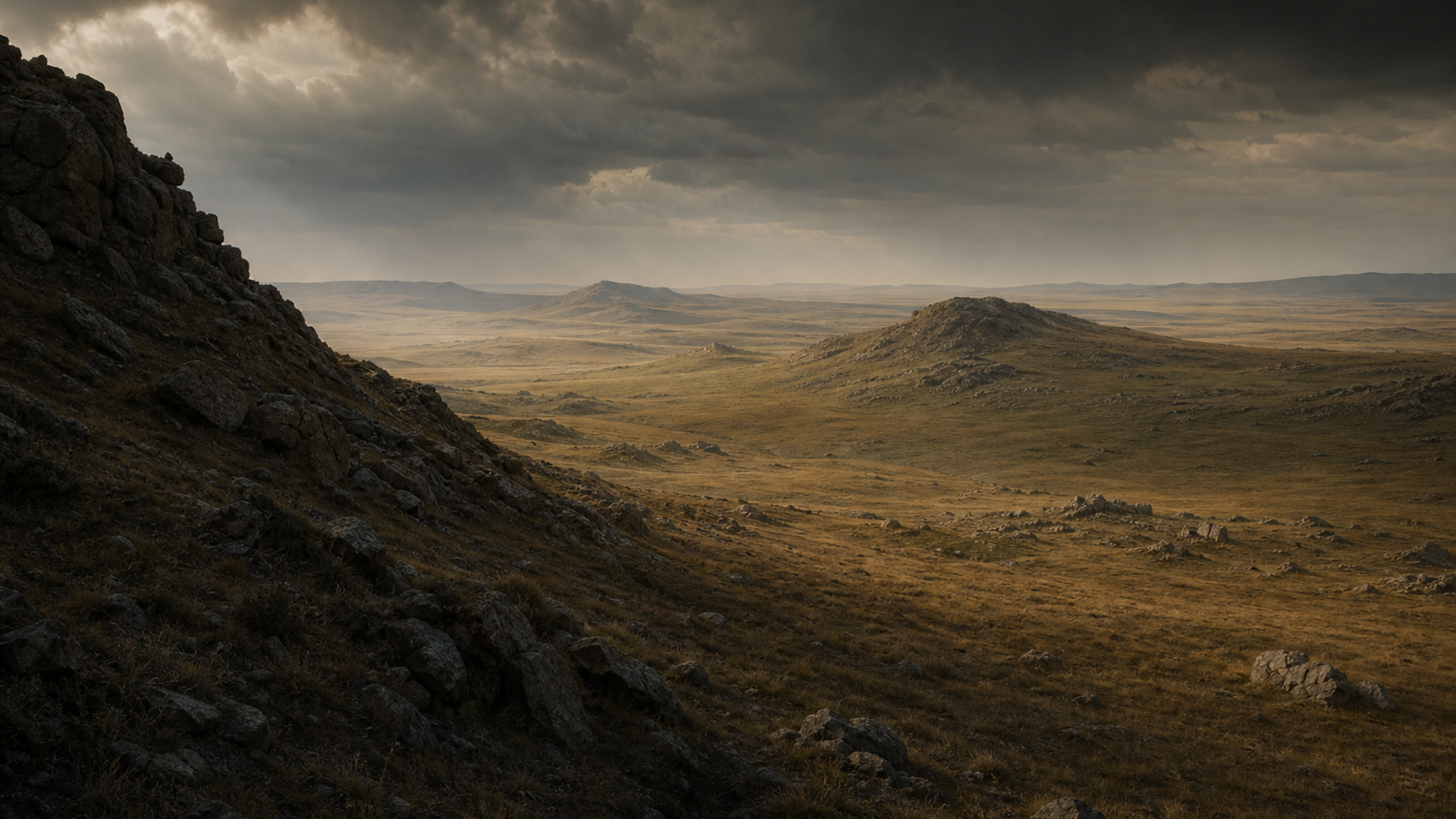
The human story encoded in these burial places is one of wind-swept horizons, seasonal movement, and social networks woven by herds and horses. Archaeological traces at mound cemeteries suggest communities organized around transhumant pastoralism: seasonal pastures, riverine camps, and temporary settlements that left ephemeral footprints compared with their enduring burial monuments.
Material remains from analogous Sarmatian contexts indicate horse gear, metalwork, and ritualized grave architecture; while not every Kazakhstan_Sarmatian_IA burial is richly furnished, the placement of graves—on river banks, near lakes, and in sanctified hollows—reflects landscape knowledge and ritual investment. Osteological profiles often show activity markers consistent with riding and long-distance mobility, though preservation varies between sites.
Social life likely included tribal kinship units with fluid alliances. Funerary variation may reflect age, sex, status, or differing local traditions imported during episodes of movement. Archaeological data indicates both continuity with earlier steppe lifeways and adaptations to local ecological niches across western Kazakhstan.