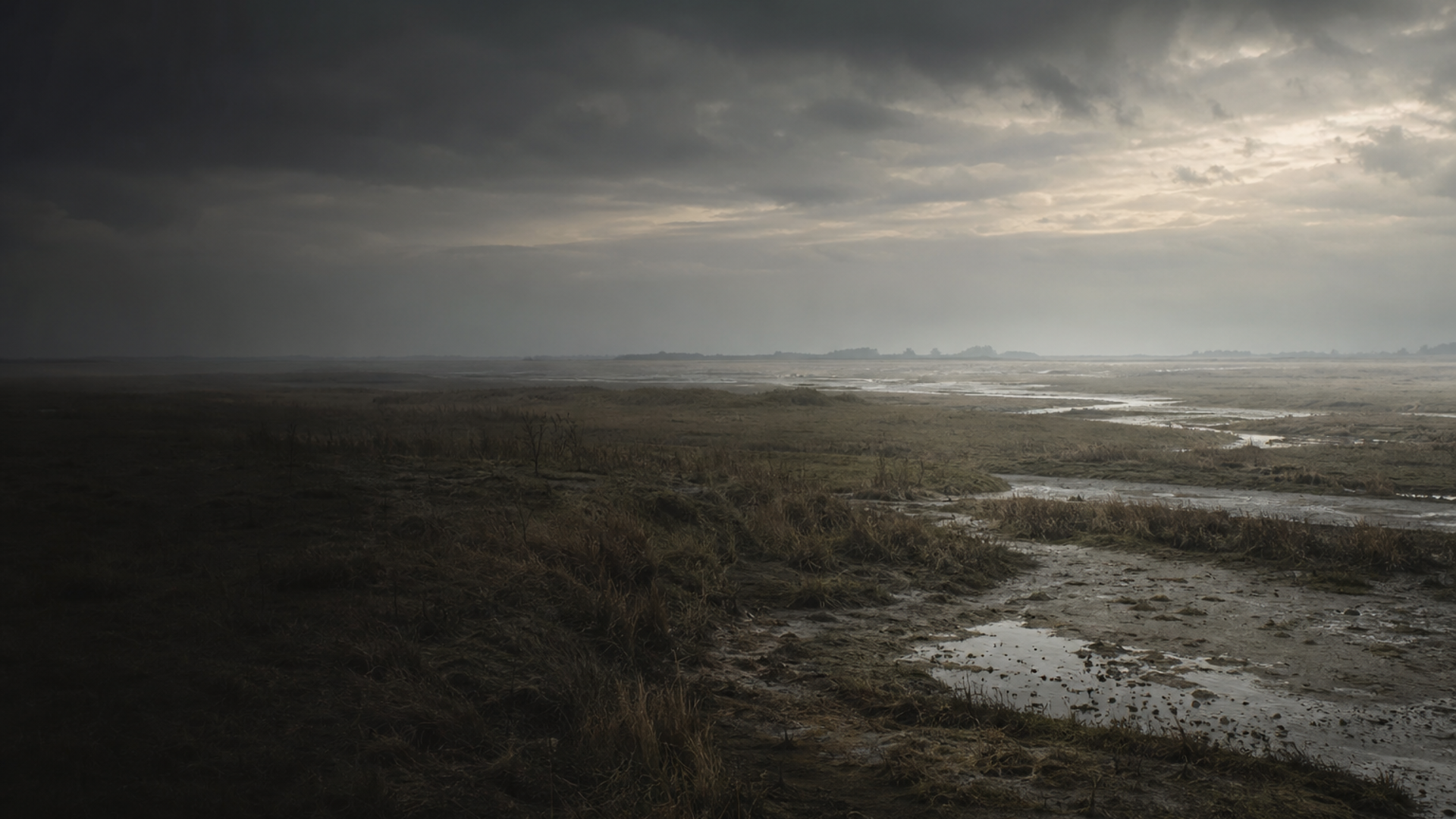
In the hush between tides, the lives of medieval Groningen inhabitants were practical and porous. Archaeological contexts—house foundations, hearths, animal bone assemblages and modest grave goods—paint a scene of mixed farming, dairying, and craft specialization. Seasonal rhythms governed planting and fishing, while small-scale markets and long-distance exchanges along rivers and the North Sea brought exotic raw materials and ideas. Burial practices in the region show variation: simple inhumations with occasional personal items suggest social differences without extreme inequality. The material record points to a community that was both anchored—continuing local traditions of farming and craft—and open to outsiders, with artifacts reflecting connections to Frisian, Saxon, and broader North Sea material worlds. Everyday objects, patched clothing, and repaired tools testify to a pragmatic resilience; trade and mobility were visible in imported metalwork and foreign-style decoration. Archaeology indicates that social identity in Groningen combined local kin networks, craft ties, and maritime horizons. Linking these patterns to genetic data suggests that mobility could be sex-biased or episodic: men and women may have had different movement patterns tied to marriage, apprenticeships, or trade partnerships, but fuller genome-wide datasets are needed to clarify these processes.