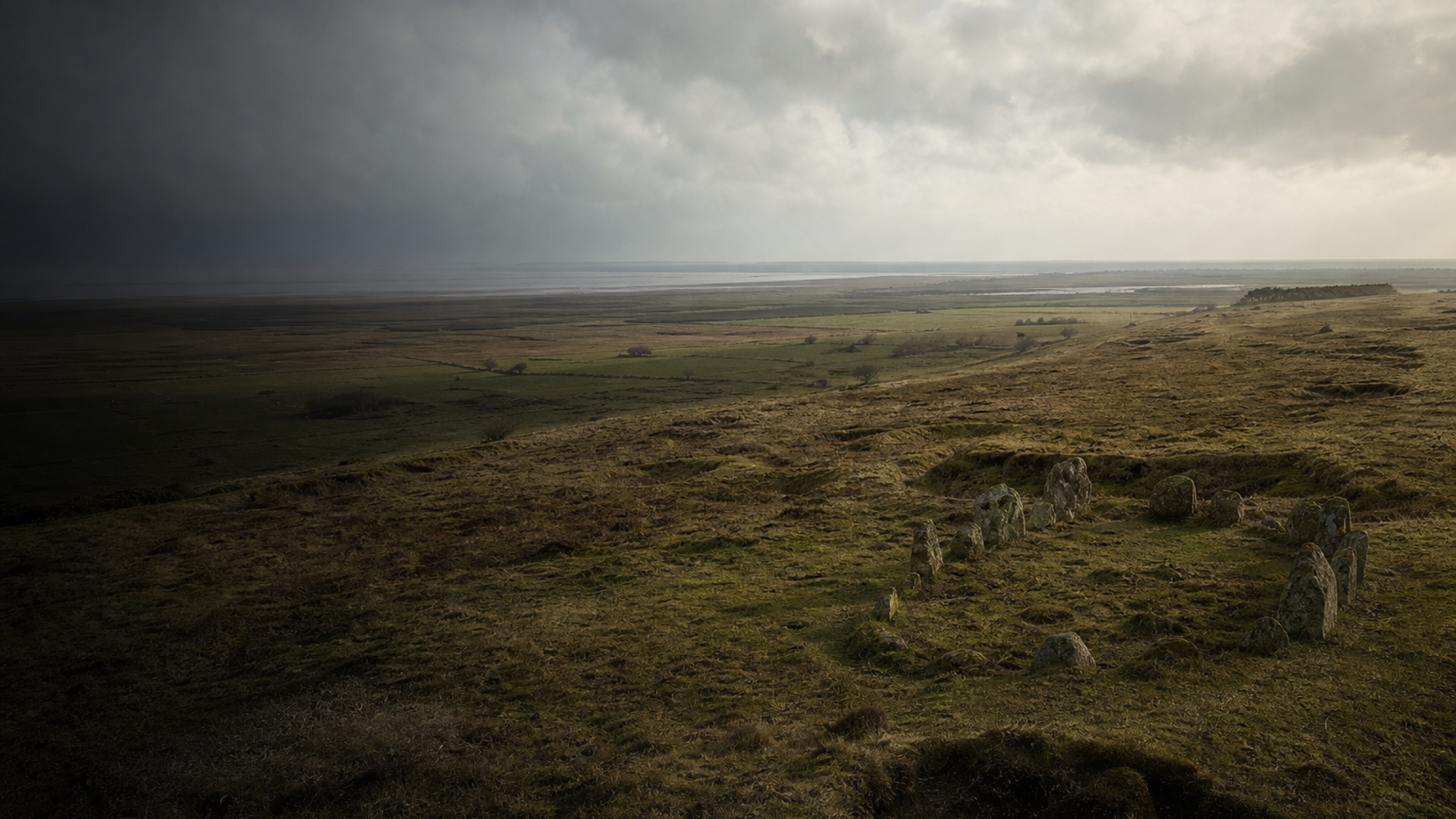
Archaeology paints a cinematic scene of daily life: timber longhouses clustered near arable strips, smoke rising over peat soils, and hands busy with weaving, metalworking, and animal husbandry. Finds from Anglo‑Saxon contexts in Norfolk often include domestic tools, combs, and dress accessories — the intimate objects that anchor people to place and practice. Archaeological data indicates agricultural economies dominated by mixed farming, supplemented by fishing and salt production along tidal creeks.
Society in this period was likely organized around kin groups and small nucleated settlements rather than large urban centers. Burial variability suggests social differentiation: some graves contain personal ornaments and metalwork, while others are simpler, indicating diverse status and access to material wealth. Isotopic work at comparable sites across East Anglia shows diets based on terrestrial proteins and cereals, with occasional marine input; such patterns fit a landscape shaped by both field and estuary. The Sedgeford evidence, while limited, fits this broader picture, offering a humanized glimpse into work, family, and ritual in Early Medieval Norfolk.