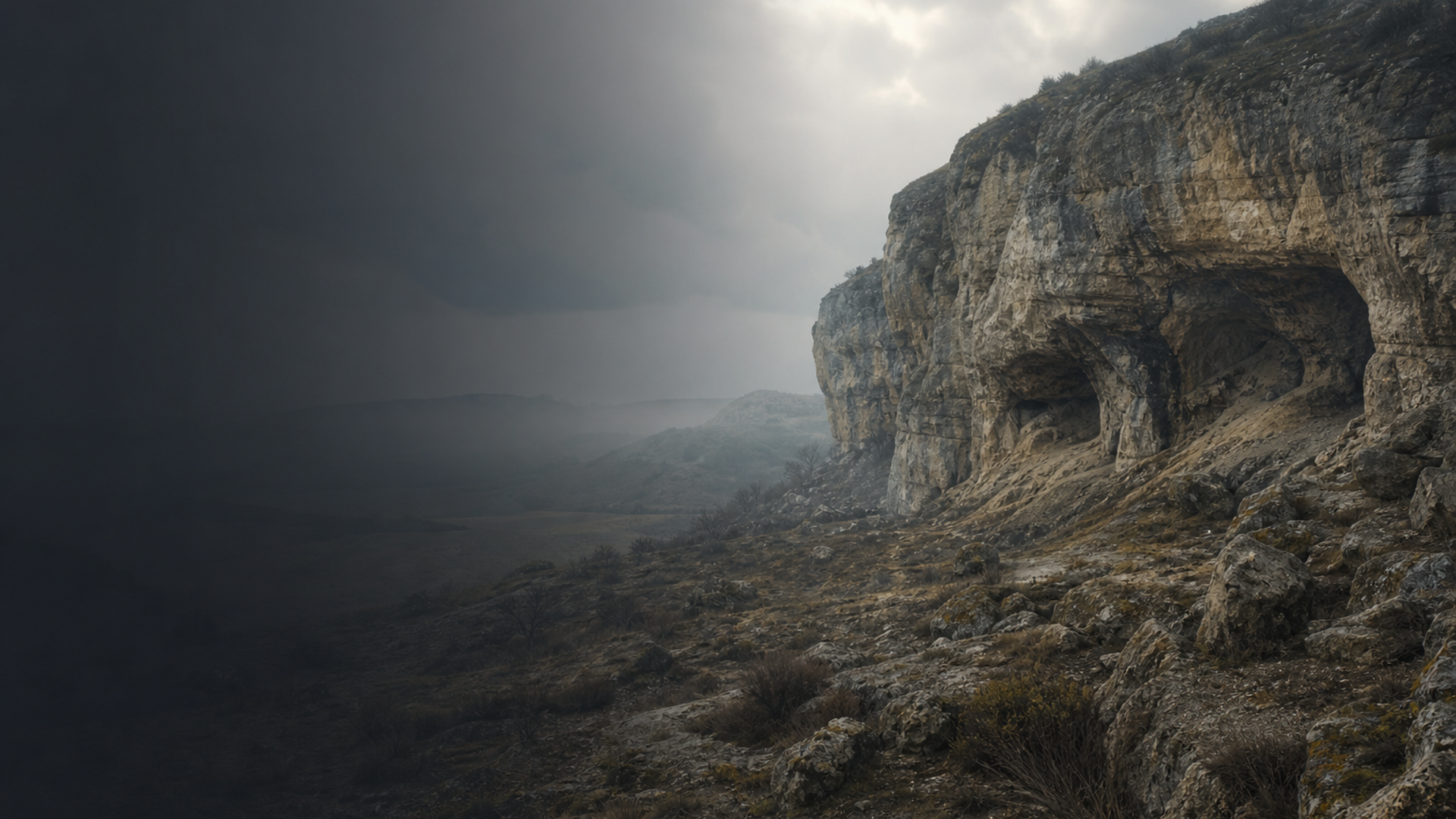
The everyday world of Gravettian groups in France read like a harsh, yet vibrant film: hunters moving along river corridors, families repairing composite tools by lamplight, and small hearths steering social life through long winters. Archaeological remains at the three sites point to mobile lifeways—lithic scatters, refitting sequences, and use-wear on blades indicate repeated tool maintenance and on-site butchery.
Faunal assemblages from nearby Gravettian localities in the region show emphasis on large herd mammals, seasonal exploitation, and selective processing of meat and marrow. Personal ornaments and possible symbolic objects elsewhere in the Gravettian world suggest layered social identities; however, the specific assemblages at Fournol, La Rochette and Ormesson vary in preservation and quantity, limiting firm inferences about social ranking or ritual practices here.
Archaeological data indicates flexible group sizes and high mobility, with people adapting toolkits to local raw materials. Ethnographically resonant behaviors—kin groups cooperating in hunting, shared technologies, and seasonal aggregation—are plausible but should be framed as models rather than direct demonstrations for these three sites.