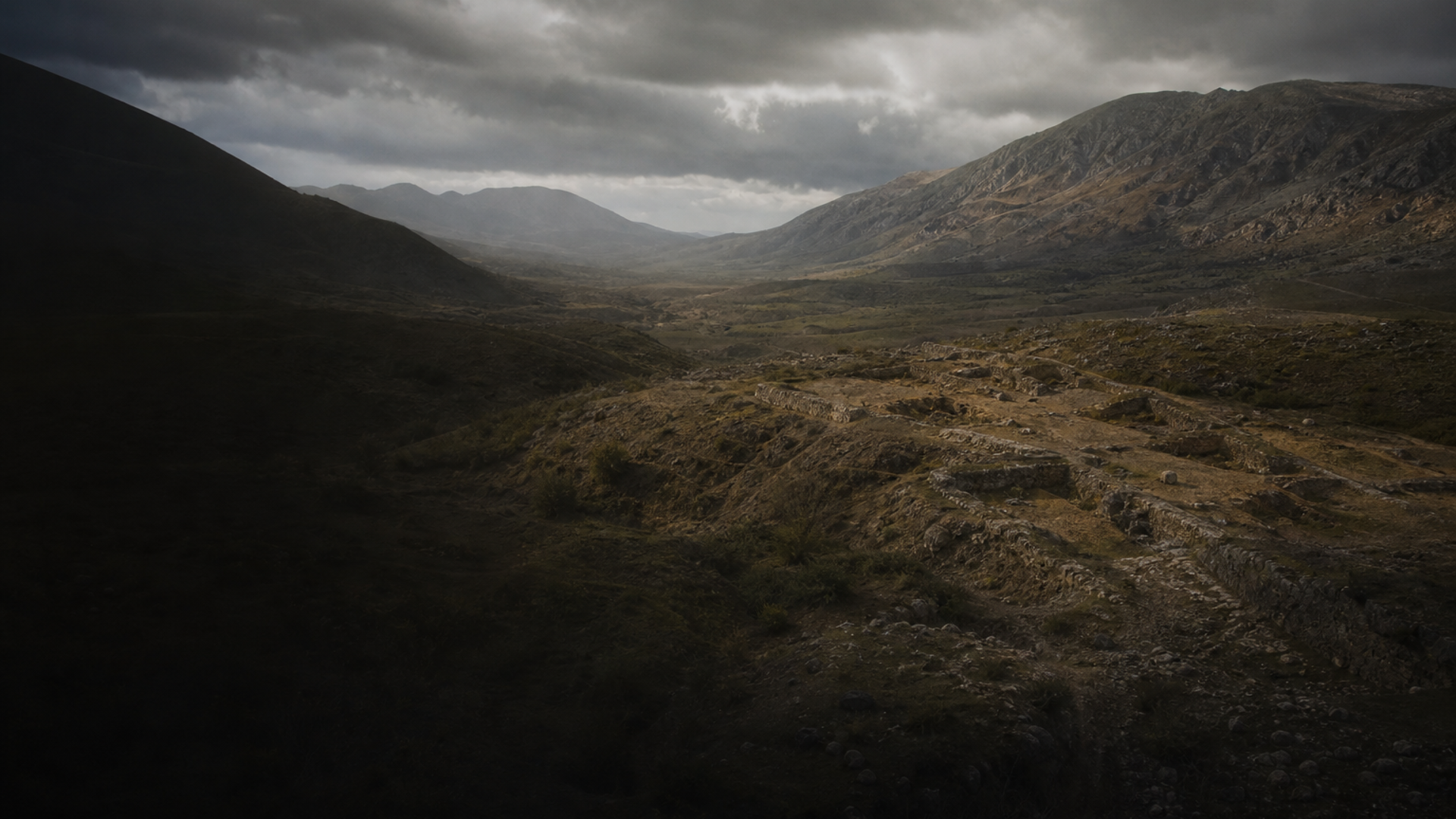
Imagine terraces cut into steep slopes, herds moved seasonally, and households organized around stone foundations and storage pits. Archaeological excavations in northern Albanian highlands reveal everyday items: cooking wares, spindle whorls, and tool fragments that point to textile production, metalworking, and grain processing. These objects form the tactile pulse of daily life — the clink of bronze, the rhythm of spinning, the smell of hearth smoke.
Burial evidence, when present, provides glimpses of social differentiation: variations in grave goods and placement suggest nuanced social roles rather than rigid hierarchies. Material indicators reflect both local craft traditions and imported styles, implying participation in exchange networks that brought raw metals and finished goods across the region. Landscape use appears adaptable; seasonal upland grazing was likely balanced with valley agriculture. While the Shkrel genetic sample does not illuminate social structure directly, combining osteological, material, and environmental data allows a richer reconstruction of community life. Yet, without broader sampling, reconstructions remain provisional — evocative scenes rather than definitive portraits.