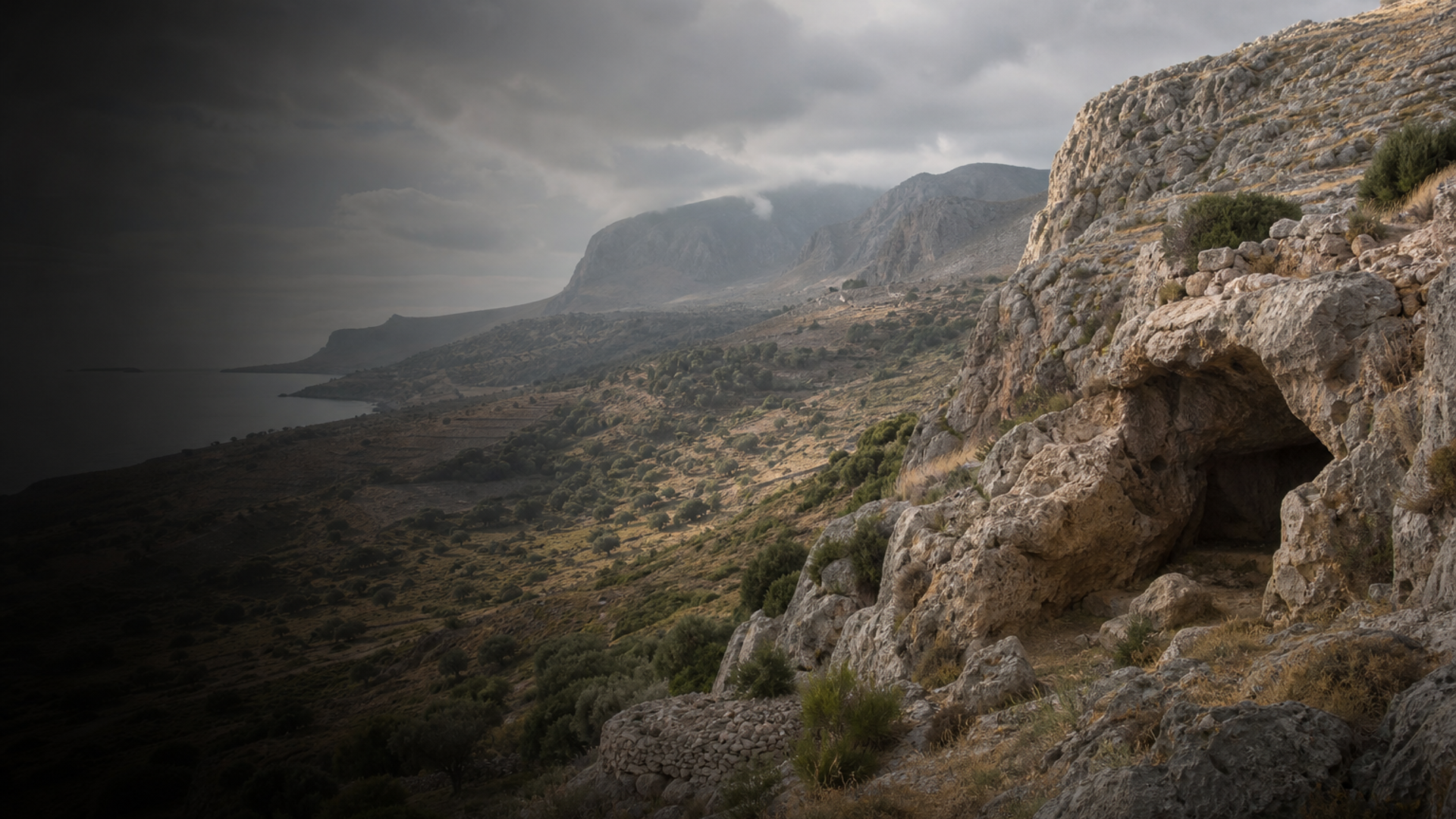
The people of Sicily’s Middle Neolithic lived where sea wind met cultivated terraces. Archaeological remains—pottery sherds, grinding stones, animal bones and plant residues—suggest an economy based on cereal cultivation, herding of sheep and goats, and continued use of marine and freshwater resources. Shell middens and fish bones attest to sophisticated coastal foraging that complemented domestic production.
Homes and habitations are often inferred from hearths, refuse pits and the distribution of ceramic types; cave sites preserved both domestic debris and burials, allowing archaeologists to link material culture with mortuary practice. Social life likely revolved around kin groups, seasonal rounds, and reciprocal exchange of crafted goods. Ornamentation and decorated pottery indicate aesthetic values and possibly signaling of group identity across short-distance networks.
Archaeogenetic approaches add an intimate layer to these reconstructions: DNA from individuals can reveal kinship ties within graves, sex-biased mobility, and whether households were founded by local lineages or incoming families. In Sicily’s case, preliminary genetic data hint at both continuity and new ancestry arriving with farming, suggesting that daily life was a negotiation between inherited traditions and novel practices. Further multidisciplinary work (archaeozoology, archaeobotany, isotopes) will clarify diet, mobility and social structure.