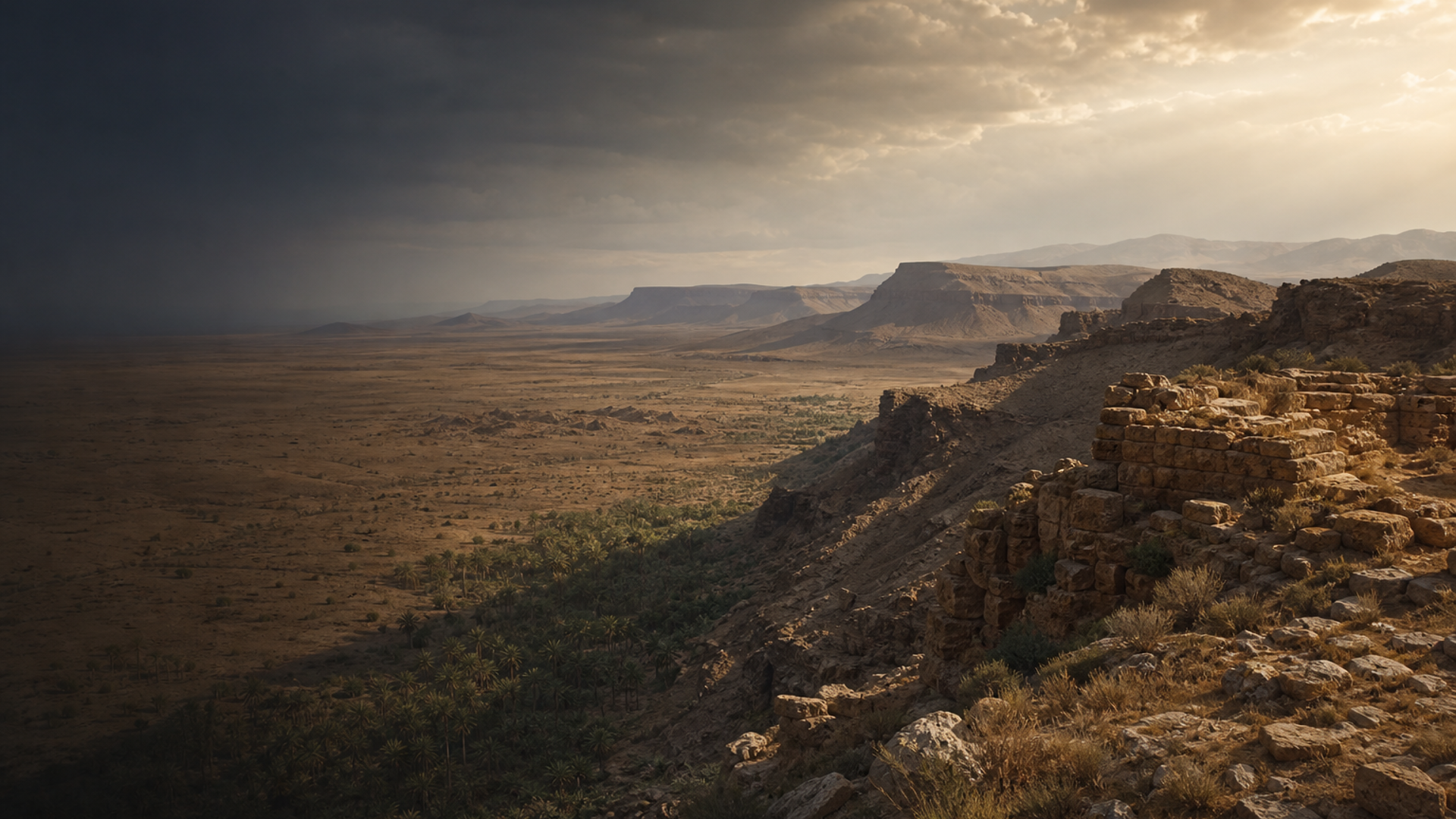
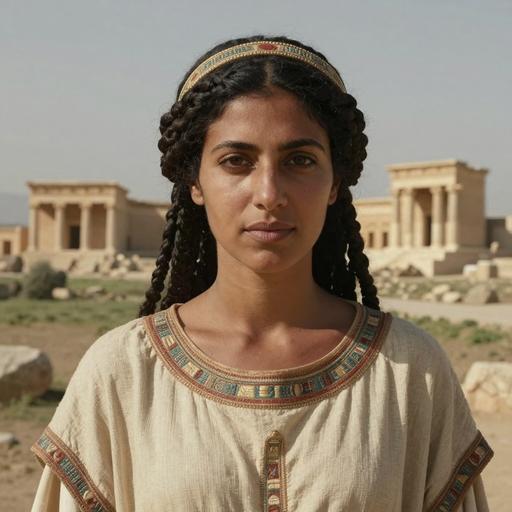
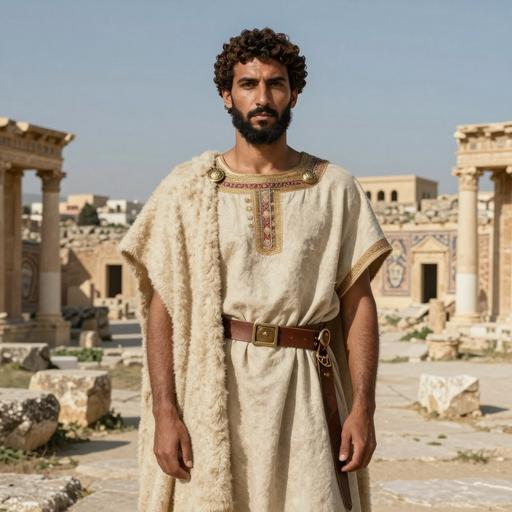
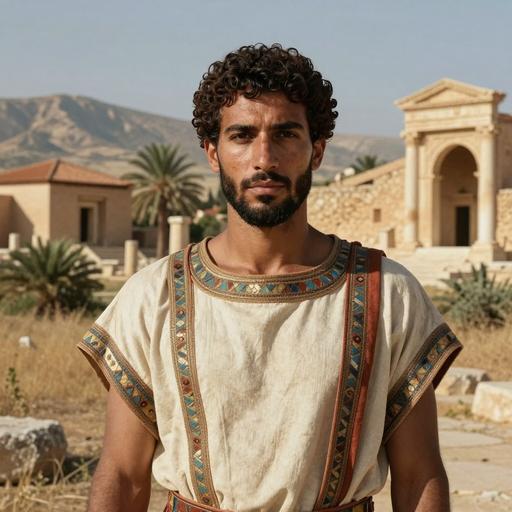
Life in Sitifis would have felt intimate and cosmopolitan at once: a market where amphorae from the Mediterranean lined stalls beside local wares, where Latin and Afro‑Asiatic languages might have been heard across a single forum. Archaeological assemblages from the region — domestic pottery, loom weights, olive presses, and agricultural terraces — indicate an economy built on mixed farming, olive oil production, textile manufacture, and long‑distance trade.
Funerary practice provides a cinematic window into social values: the Necropole Orientale contains inhumations with personal adornments, ceramic offerings, and sometimes reused Roman building stone. These burials suggest family‑focused commemoration and a social landscape in which Roman civic identity coexisted with kinship bonds rooted in Amazigh tradition. Military and mercantile networks of the Roman world likely brought new goods and people, creating a pace of cultural exchange that is visible archaeologically but only faintly registered genetically so far.
Archaeological data indicates that gendered crafts and household production were central to daily survival, while public architecture signaled allegiance to Roman civic life. Mobility—seasonal herding, trade caravans, soldiers—would have been a normal part of existence, knitting Sitifis to a wider Mediterranean and African world.