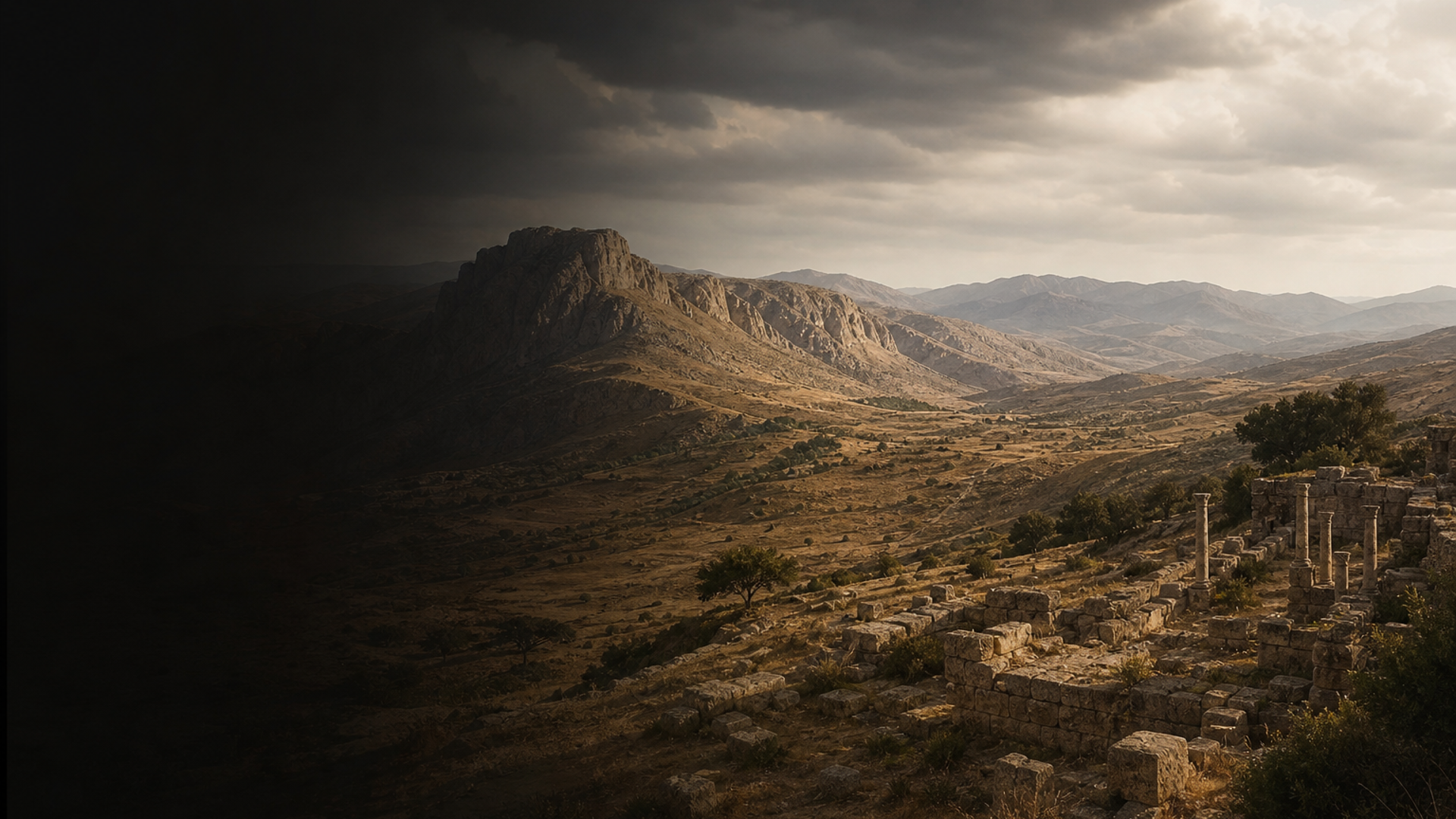
Daily life in the Numido‑Roman Berber communities around Sitifis would have been shaped by the rhythms of Mediterranean trade, pastoralism, and local agriculture. Archaeological assemblages include olive oil amphorae, local ceramics, and agricultural tools, suggesting olive and cereal cultivation supplemented by sheep and goat herding on nearby hills. Urban strata reveal workshops, mosaics in wealthier homes, and public buildings that testify to municipal life under Roman administration.
Funerary contexts in the Necropole Orientale offer intimate windows into social values: grave goods vary from modest personal items to more elaborate containers, indicating social differentiation. Inscriptions and iconography sometimes combine local symbols with Roman motifs, suggesting bilingual or bicultural elites alongside households that maintained older Berber practices. Ceramic typologies and isotopic studies (where available in comparable sites) hint at local foodways and mobility patterns — seasonal transhumance for some households, more sedentary agriculture for others.
These archaeological signals are vivid but partial; they sketch a lived environment in which identity was performed through language, dress, and ritual while materially shaped by imperial commerce and local ecologies.