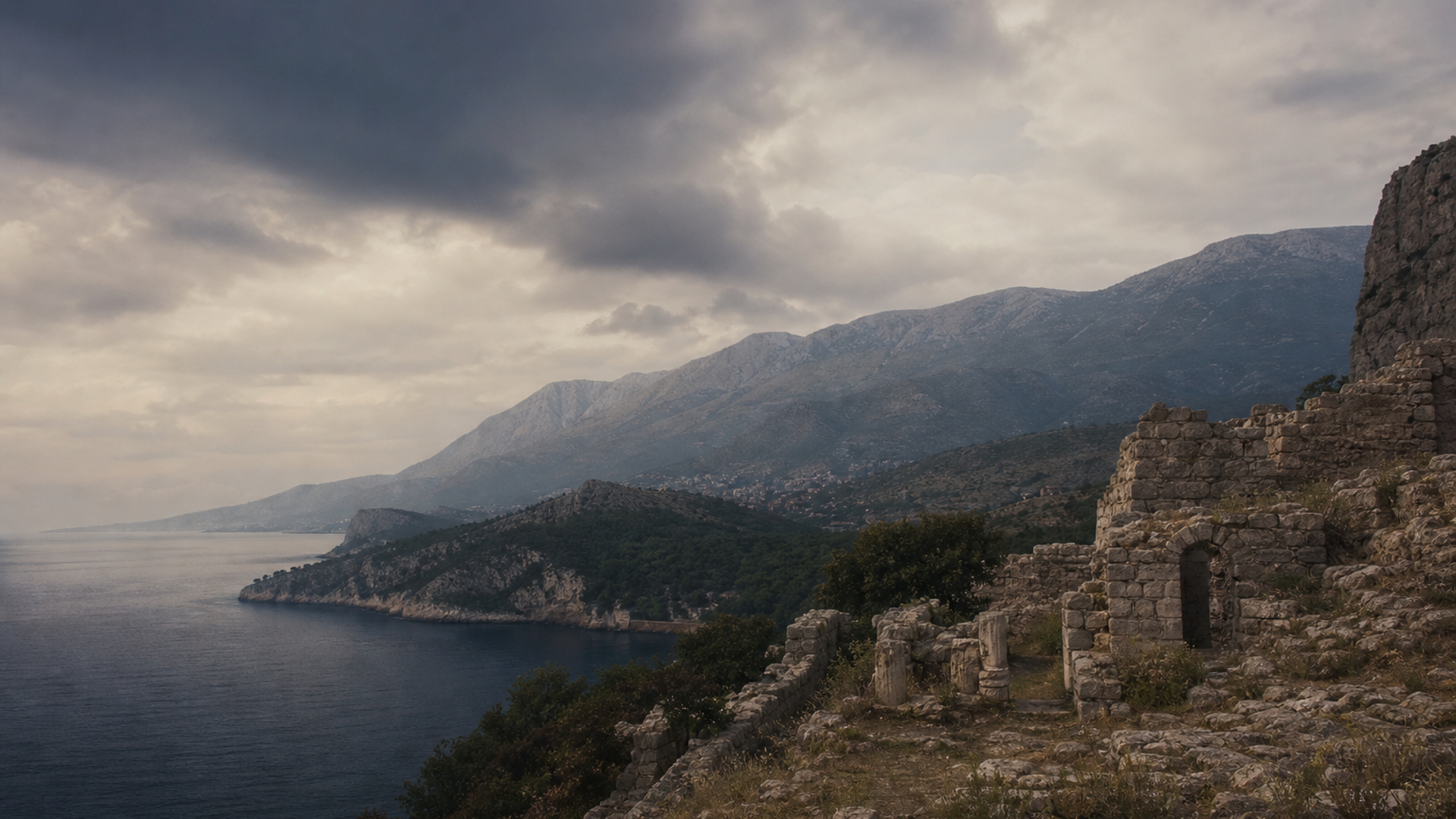
The lived experience of modern Split is articulated through narrow stone streets, Adriatic markets, and maritime livelihoods. Archaeological layers within the city record shifting household economies: Roman elite residences, medieval craft workshops, Ottoman and Venetian influences, and modern urban renewal. Material culture — ceramics, fish hooks, masonry, and inscriptions — illuminates daily routines and social networks across centuries.
For the people represented in the 2000 CE samples, archaeology provides cultural anchors: urban residence patterns, dietary signatures from zooarchaeological and isotopic studies in the region, and continuity in coastal economic strategies (fishing, trade, and tourism). Yet, material culture alone cannot reveal individual ancestry or kin relationships. Where osteological analysis is available it can indicate activity patterns and health; where genetic data exists it can add lineage and relatedness. In this case, the small DNA sample set must be integrated cautiously with archaeological signals — together they hint at a community shaped by centuries of connectivity to the Adriatic, but they do not yet resolve detailed family histories or recent migration events.