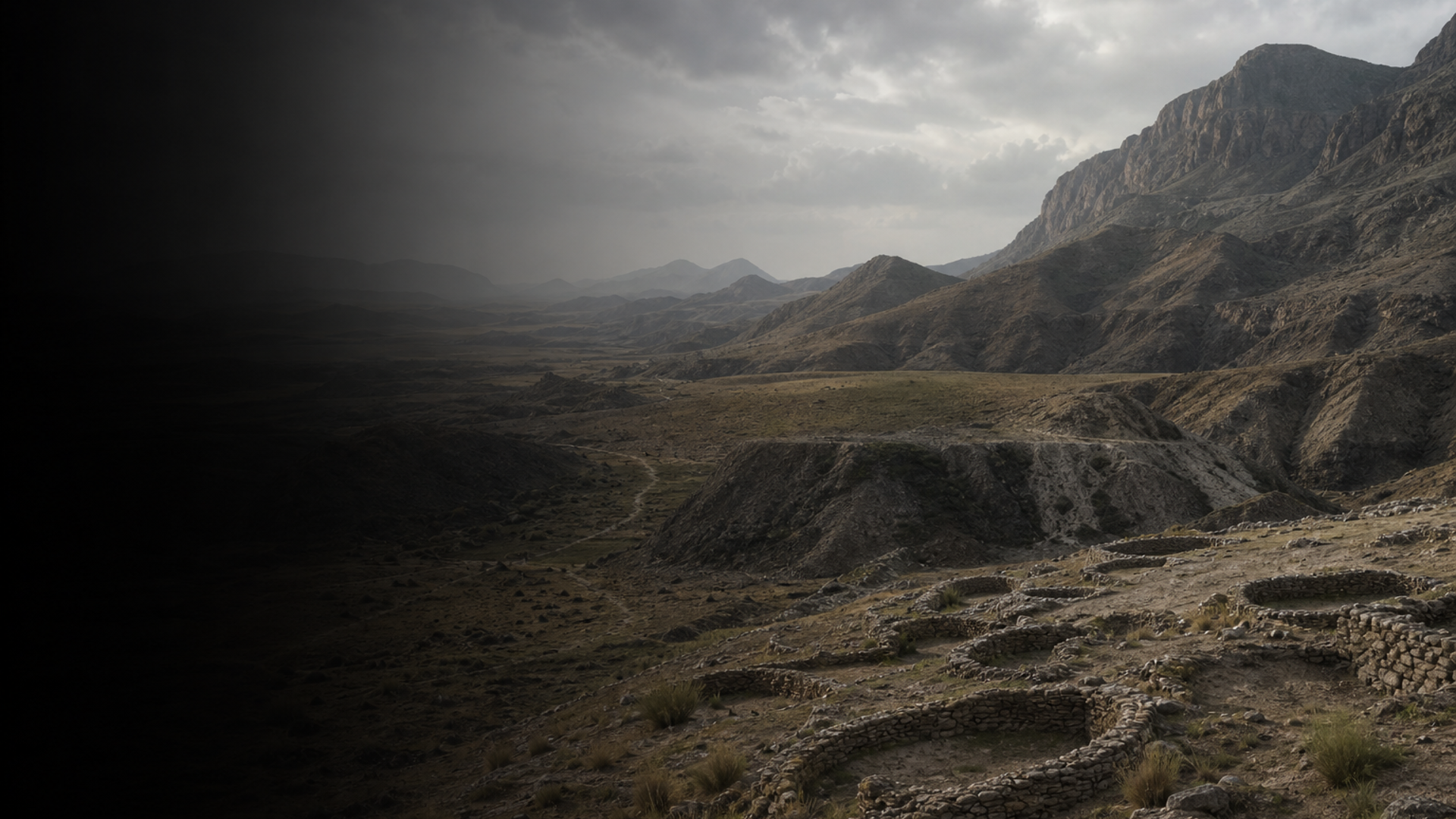
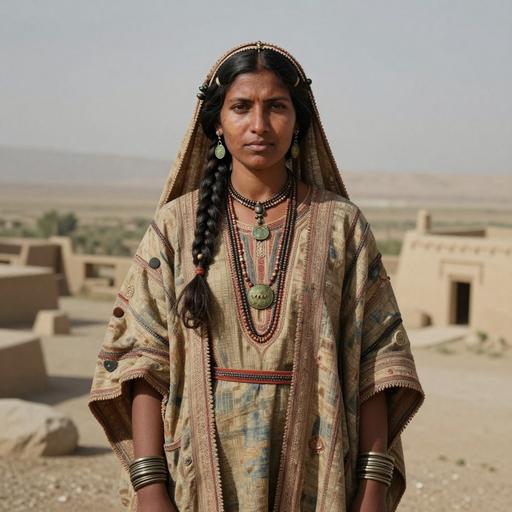
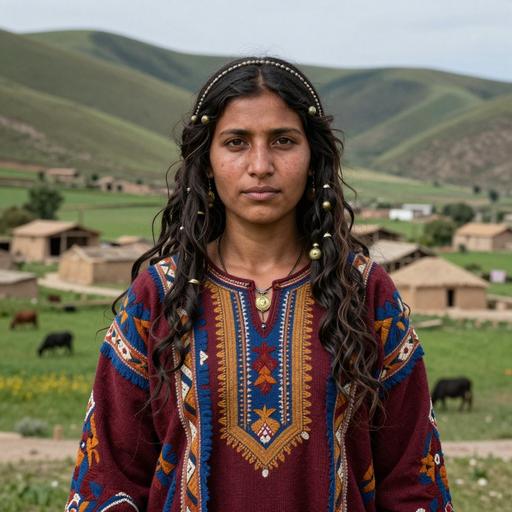
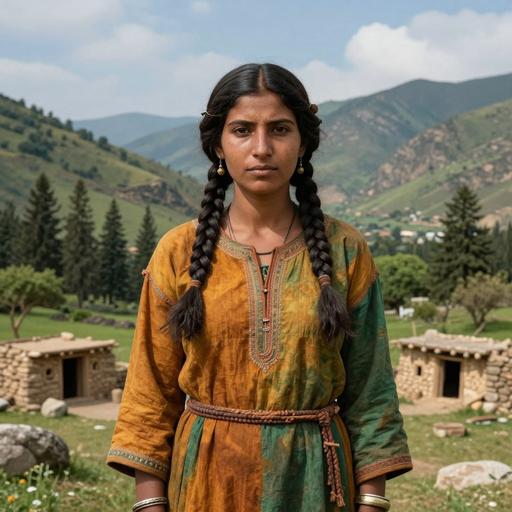
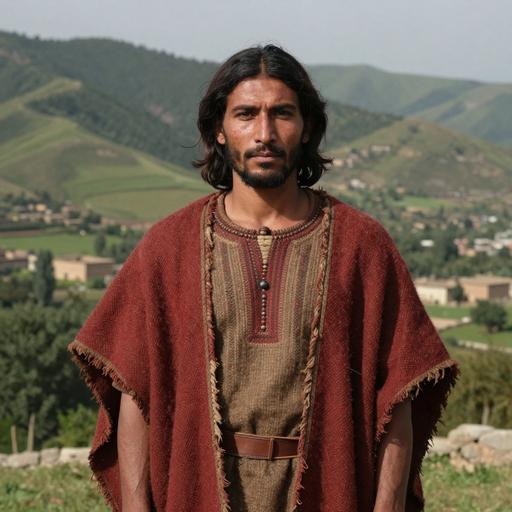
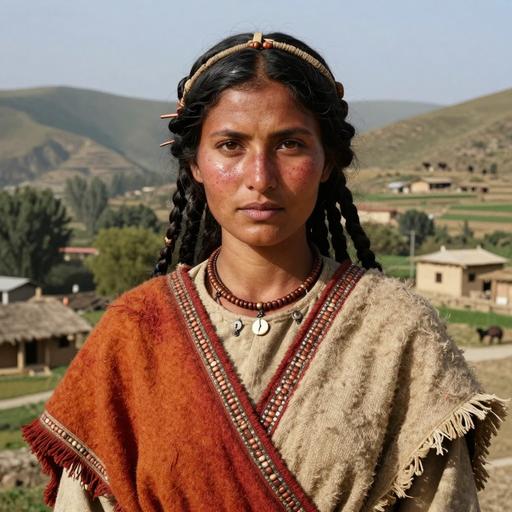
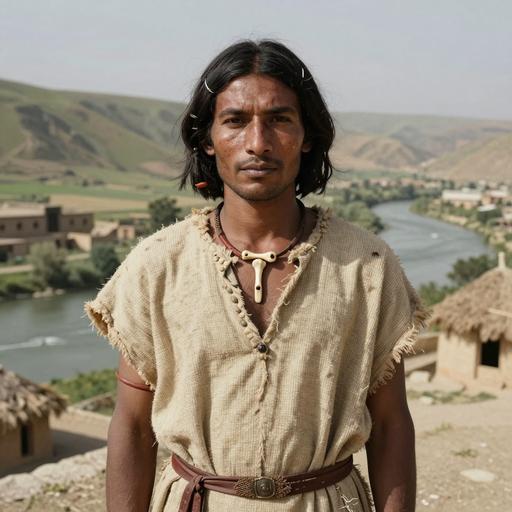
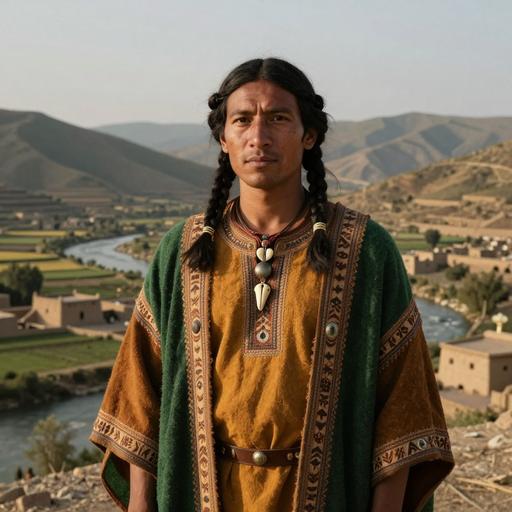
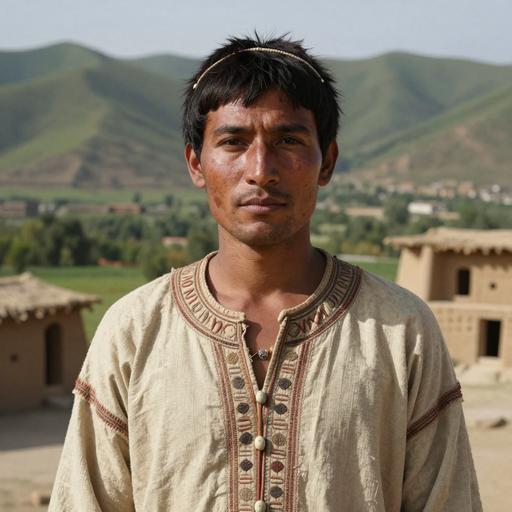
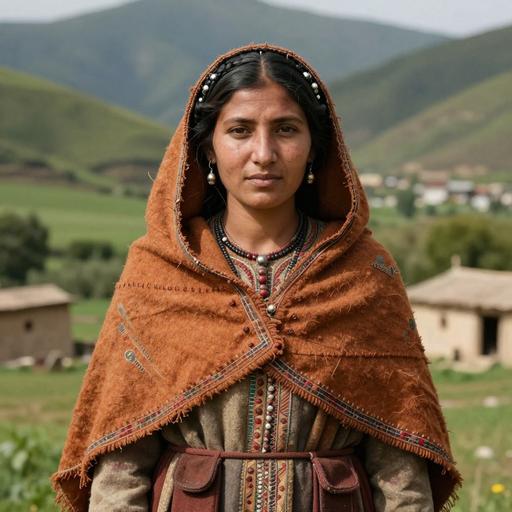
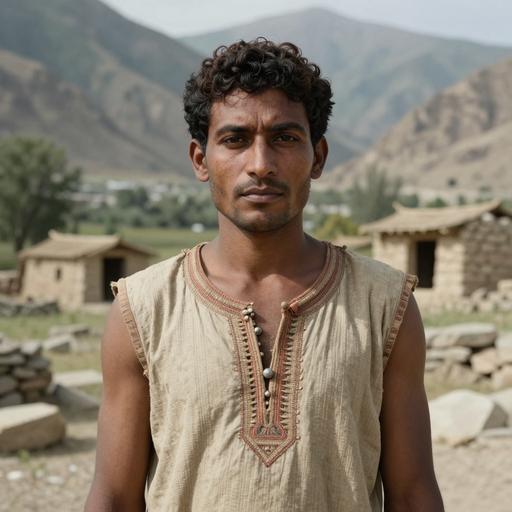
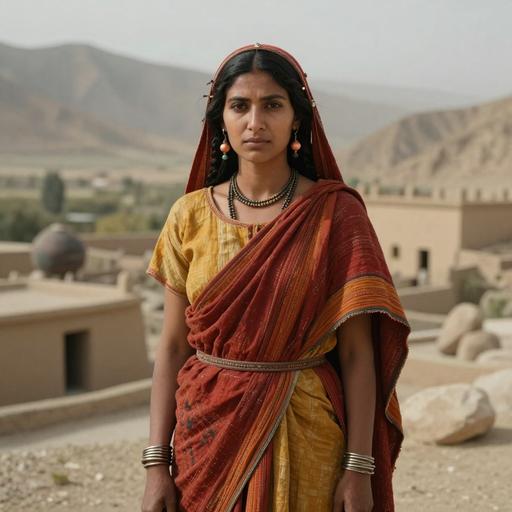
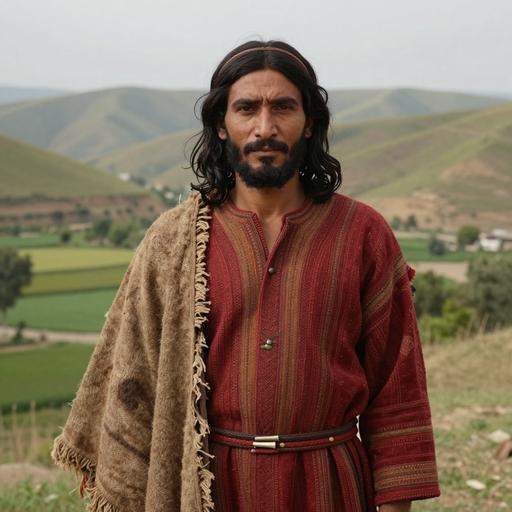
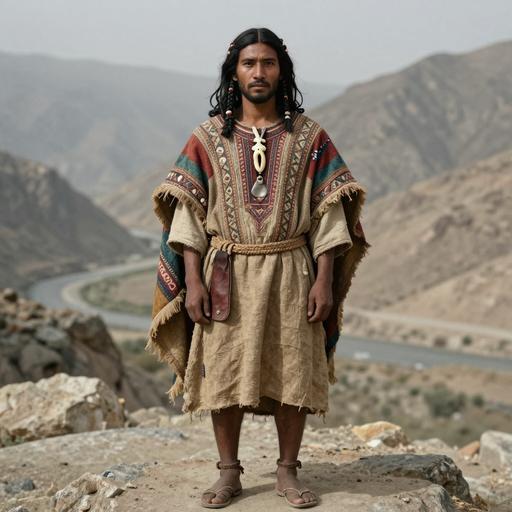
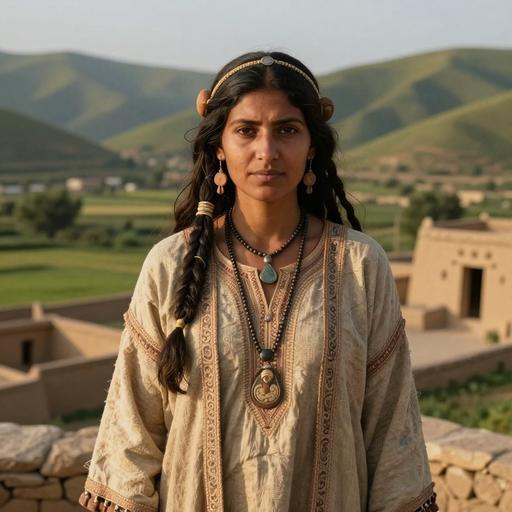
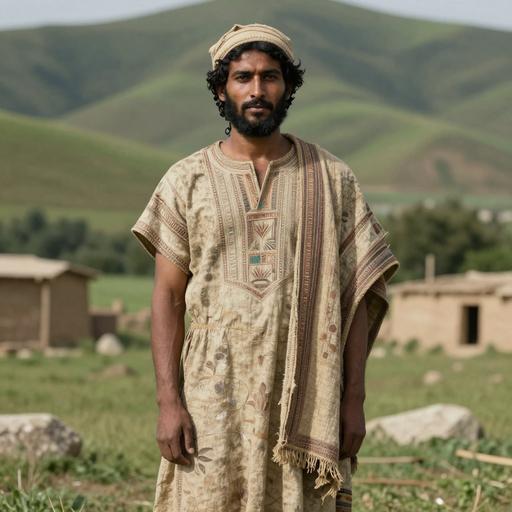
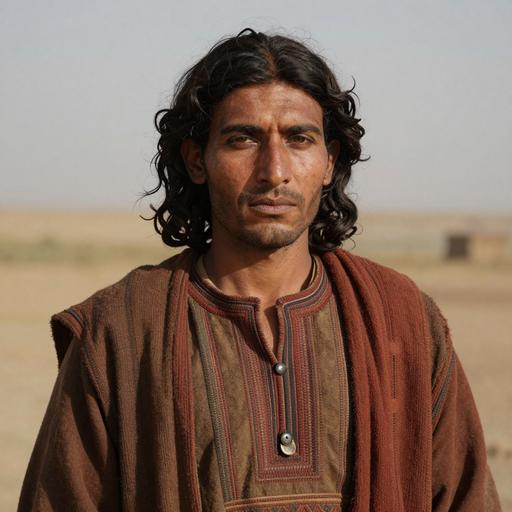
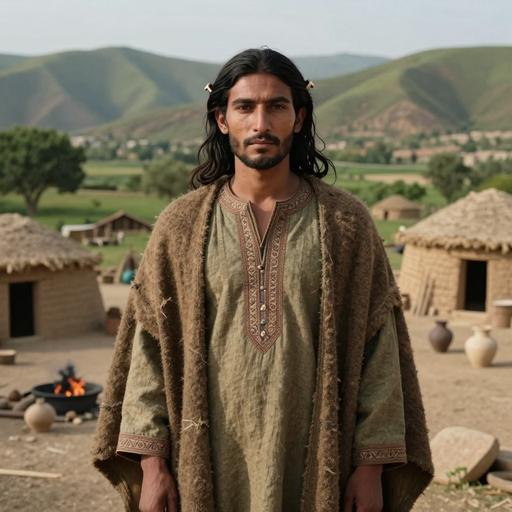
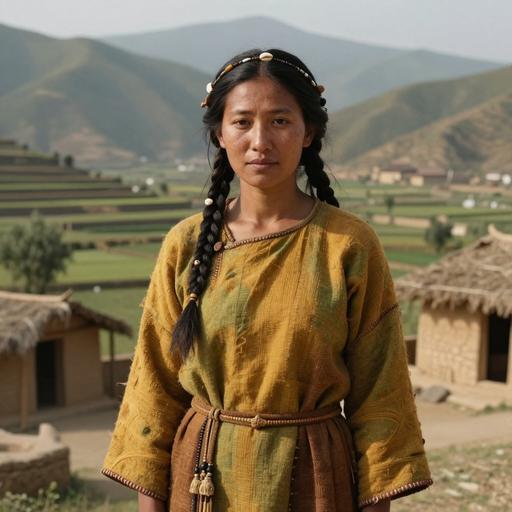
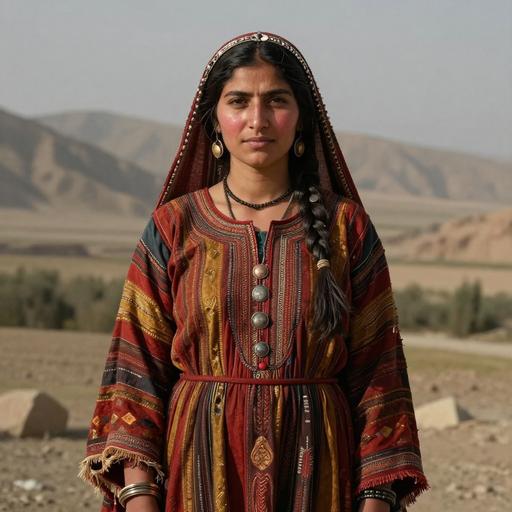
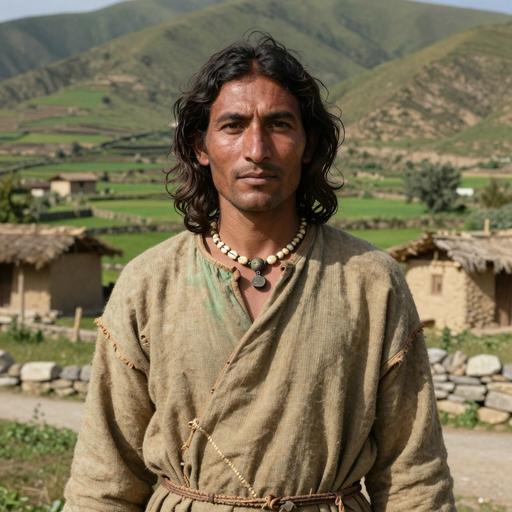
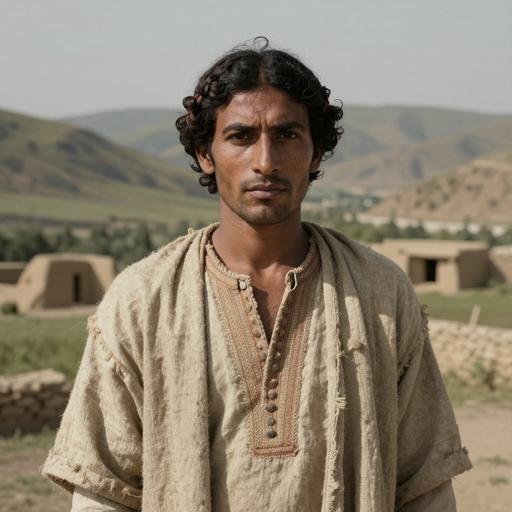
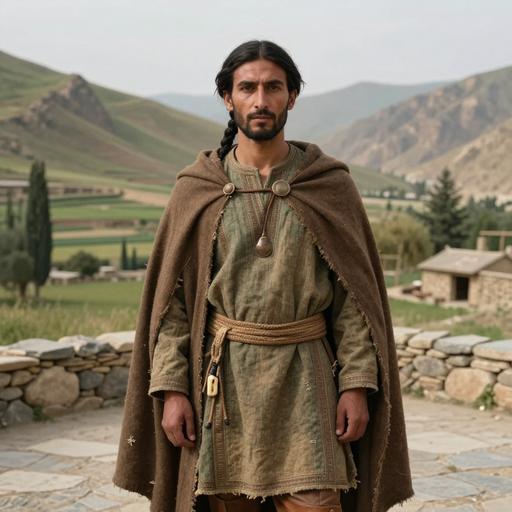
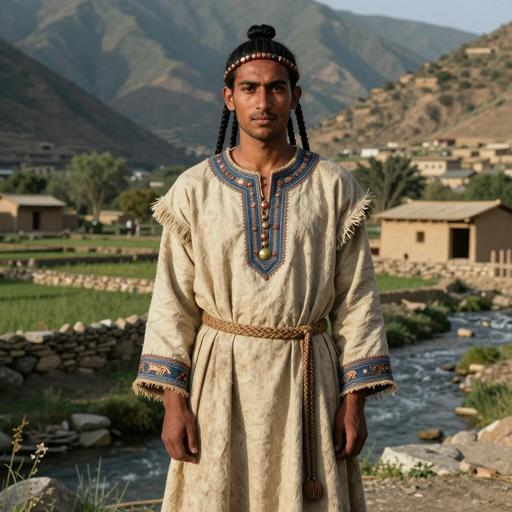
Material remains from the Swat Valley sites evoke a tactile world of farmers, craft specialists, and itinerant traders. Iron implements and traces of metallurgical activity imply local ironworking that transformed agricultural practices and toolkits. Storage pits and remains of grain-processing installations, where preserved, speak to cereal cultivation sustained by mountain-watered terraces.
Domestic architecture — mudbrick foundations, compact courtyards, and defensive revetments at fortified settlements — suggests clustered households organized around family compounds and communal tasks. Pottery traditions, from plain utilitarian wares to finer painted vessels, indicate both local production and exchange; imported raw materials or finished goods hint at long-distance ties.
Religious life left sharper marks at sites like Butkara IV, where ritual deposits, platform structures, and iconography (including rock art at Gogdara) point to communal ceremonies and sacred landscapes. Burial practices in the valley appear varied; preservation is uneven, so interpretive caution is required. Social hierarchies likely emerged around control of arable land, craft production, and trade routes through the valley, with fortified settlements serving as administrative or protective centers.
Everyday Swat was therefore a layered mosaic: households embedded in agricultural cycles, artisans adapting iron-age technologies, and communities participating in ritual and exchange networks that reached beyond the valley's terraces.