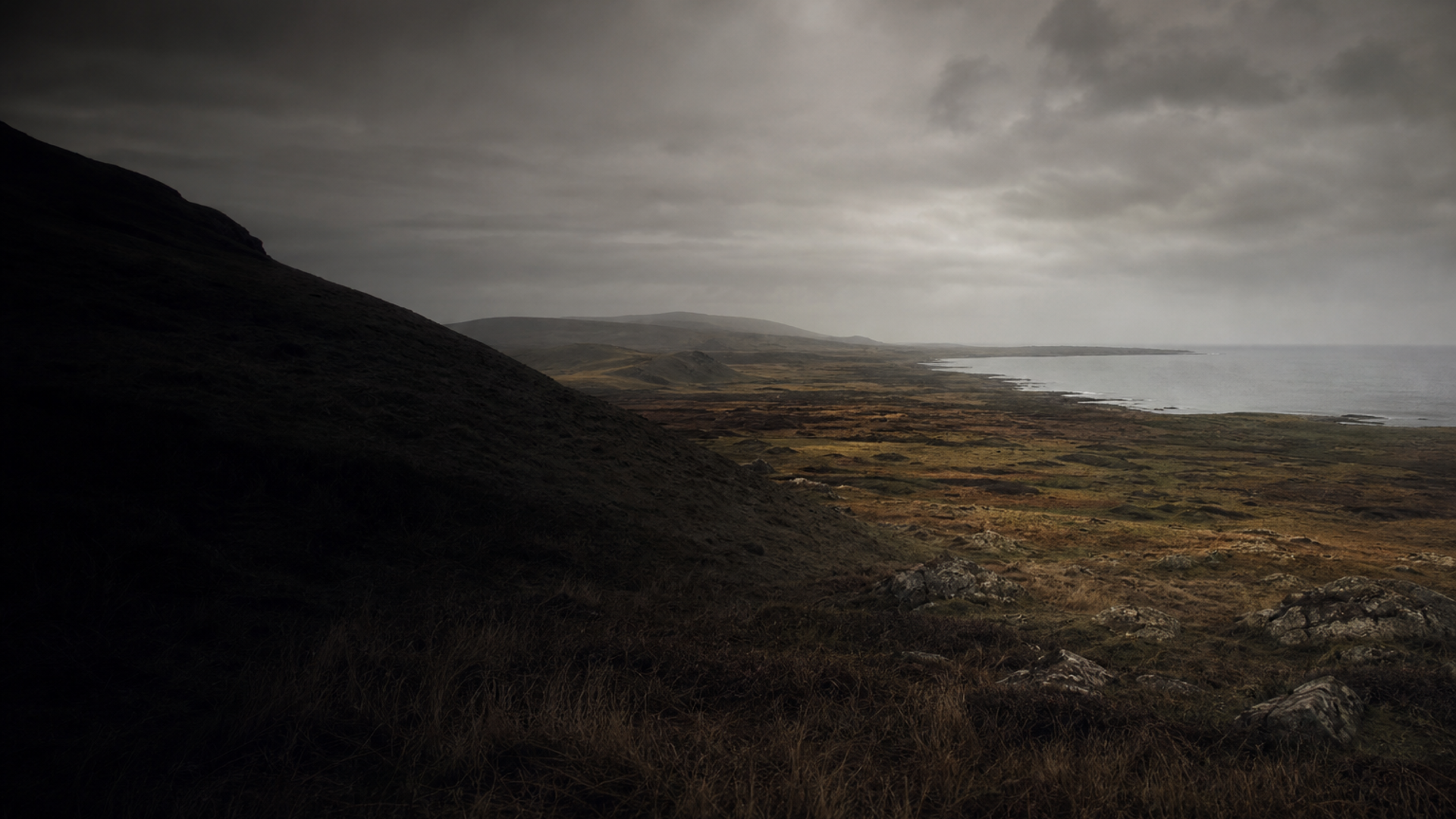
Archaeological data indicates Bronze Age life in southern Sweden was anchored in mixed farming, coastal foraging, and craft activities tied to metal use and exchange. Settlement traces across Scania and nearby coasts point to a landscape of small farmsteads, seasonal fishing and marine resource exploitation, and community interconnection by sea lanes. Social differentiation likely increased with access to imported bronze and prestige objects, changing household organization and burial practices.
Skeletal remains and funerary contexts from regional sites reveal variability in mortuary treatment, which archaeologists often interpret as signals of rank, kinship, or specialized roles. Subsistence relied on cereals, domesticated animals, and fish — an economy adaptable to the varied soils and maritime climate of southern Sweden. Craft specializations such as smithing and woodworking would have been localized but linked into exchange circuits that delivered raw metals and finished goods from the continent.
While specific household reconstructions at Abekås I and Ängamöllan remain limited by the available evidence, the broader Bronze Age Swedish landscape is one of resilient communities negotiating local resources and transregional ties, producing material culture that both rooted people in place and connected them to distant partners.