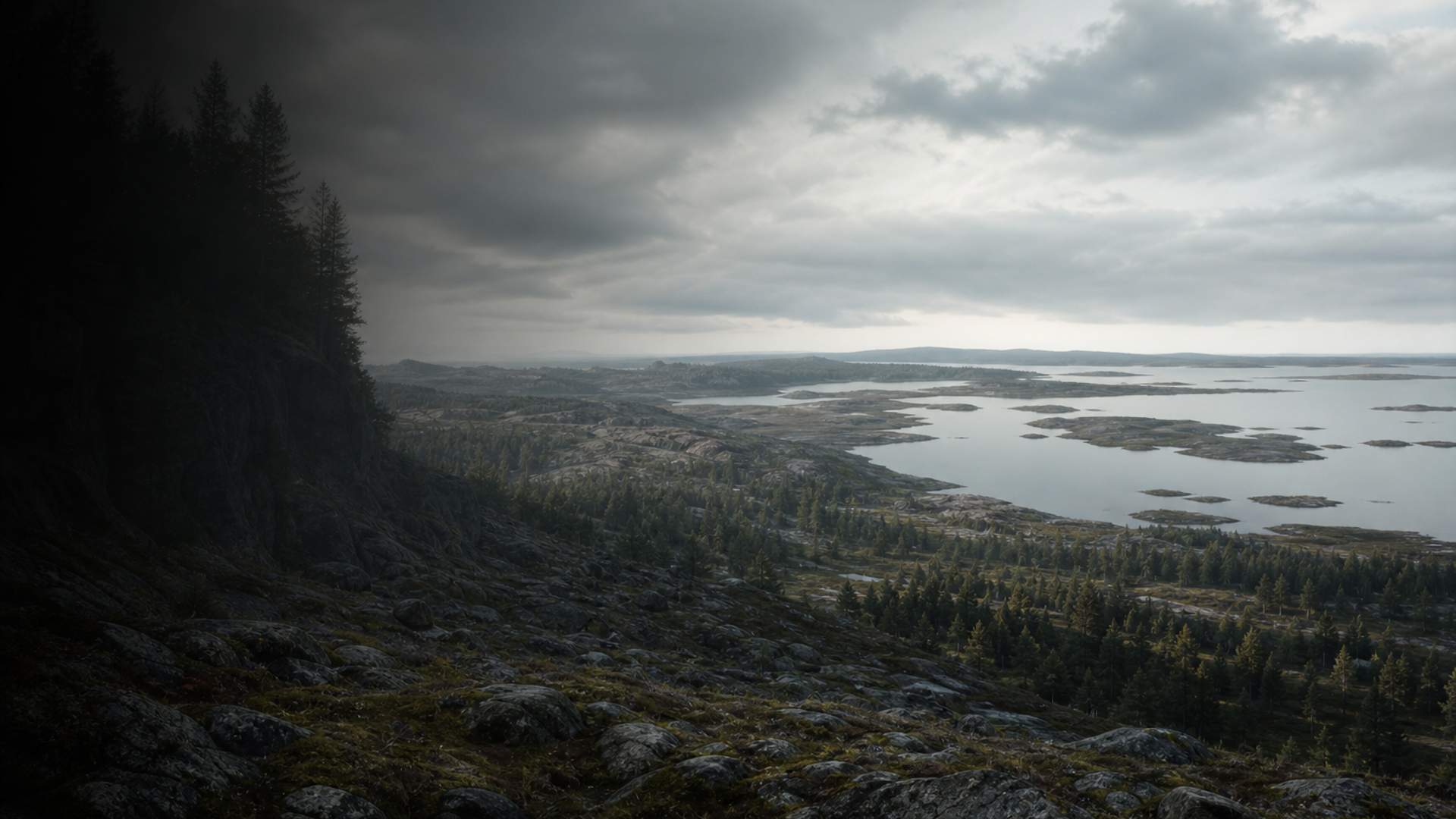
Material culture and ecofacts across contemporaneous Mesolithic sites paint a vivid, if incomplete, portrait: communities lived close to water, using bone and stone tools to capture fish, seals and wild game. Archaeological traces such as chipped stone implements, worked bone points and concentrations of fish bone and shell hint at seasonal camps with specialized activities. Sites like Stora Förvar and Stora Bjers, positioned on former coastal margins, likely functioned as nodes in seasonal circuits that followed fish runs and bird migrations.
Socially, hunter‑gatherer groups are inferred to have been small, flexible bands with extensive knowledge of local landscapes and resources. Craftsmanship in flint knapping and bone working suggests transmitted skills, while funerary treatments — where present — offer glimpses of personal identity and community memory. Archaeological data indicates that households and camps could be ephemeral yet repeatedly occupied, producing layered deposits that preserve snapshots of diet and technology. In short, daily life combined maritime expertise with mobility, anchored to seasonal rhythms of the early Holocene Baltic environment.