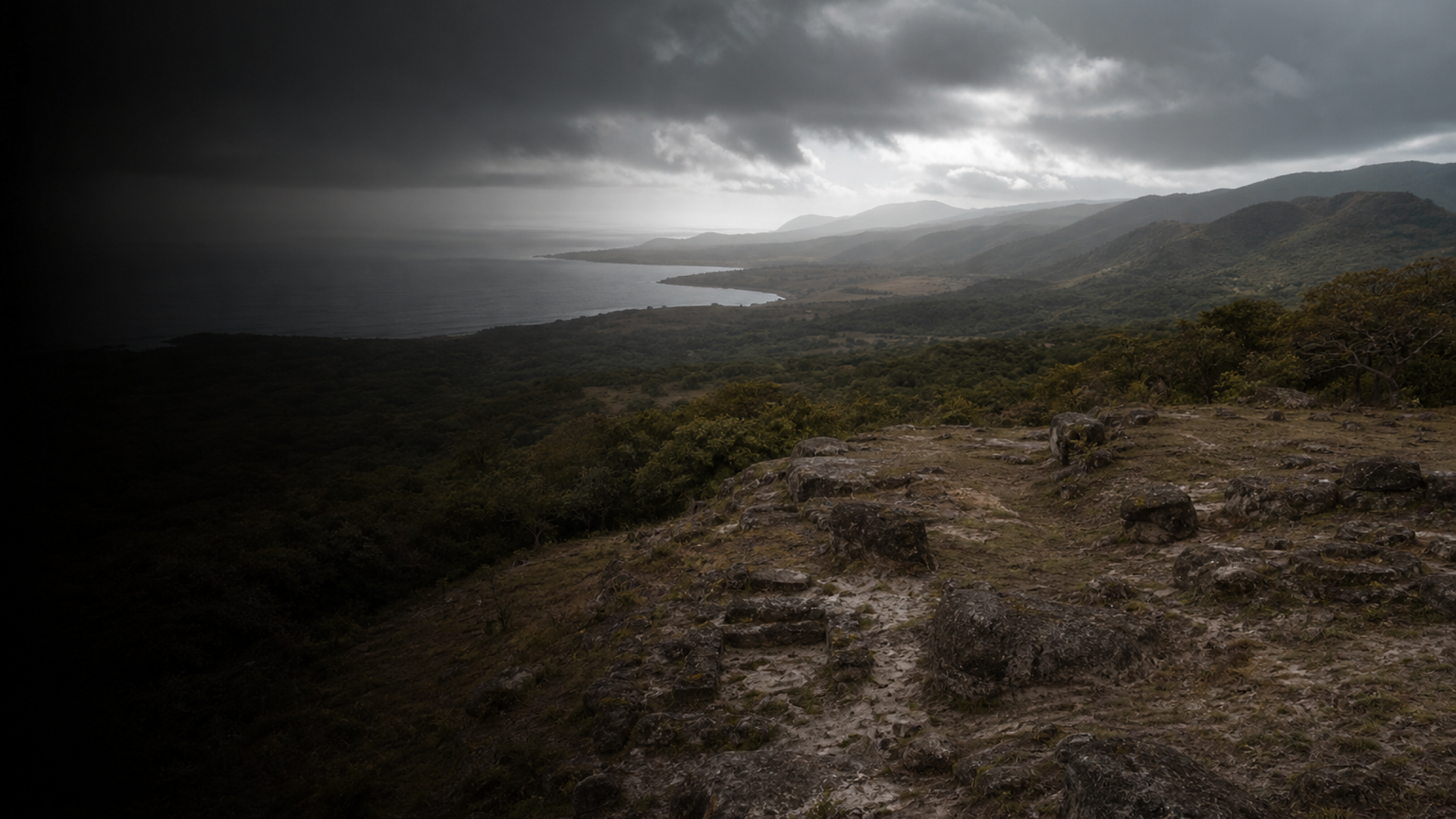
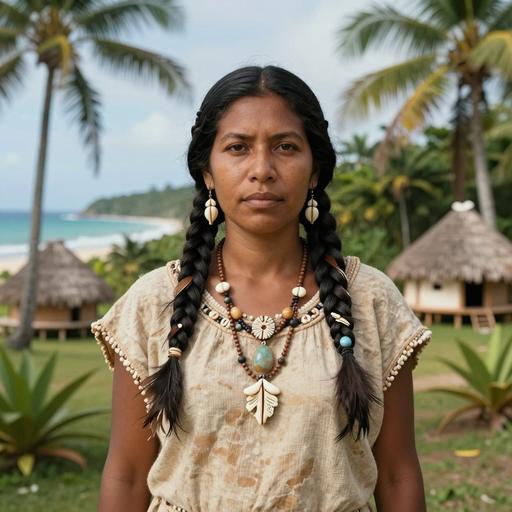
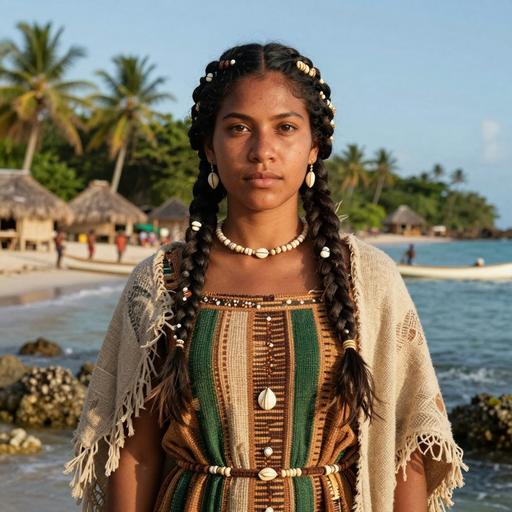
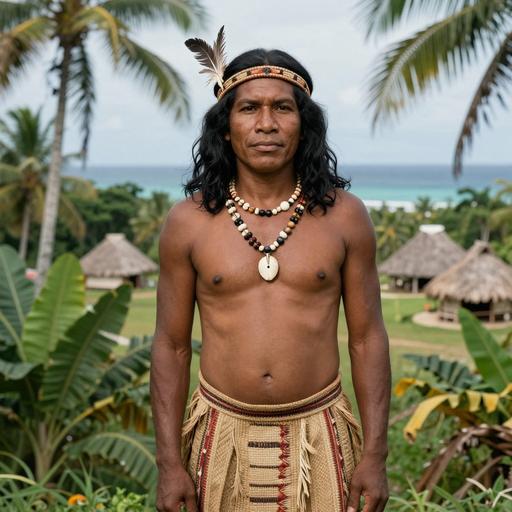
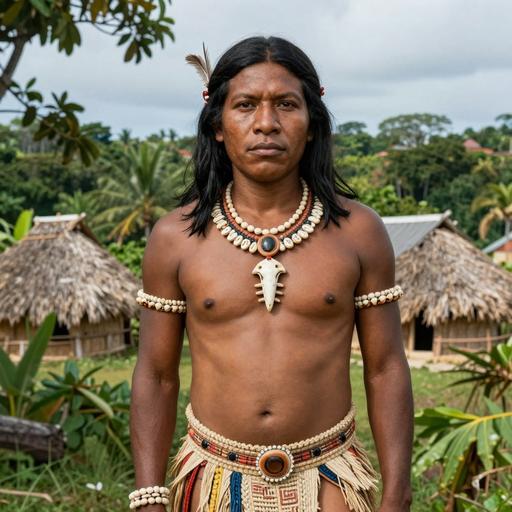
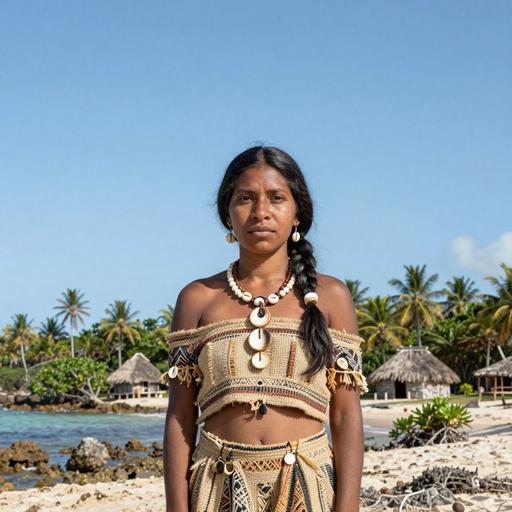
Material traces paint a vivid picture of coastal life: plazas for public ritual, raised conical houses, carved zemis (spiritual objects), and middens rich in fish bone and shell. Pottery styles—thin-stemmed and decorated vessels—accompanied new horticultural practices, including cassava cultivation, sweet potatoes, and the management of coastal fisheries. Archaeological excavations at La Caleta, El Soco (Dominican Republic), and Matanzas-area caves in Cuba reveal household assemblages with grinding stones, net sinkers, and worked shell, attesting to a mixed economy of farming, fishing and trade.
Social structure appears to have been ranked but flexible: burials from Cueva Roja and El Soco include both simple interments and richly furnished graves, suggesting emerging elites alongside broadly shared material culture. Craft specialization included pottery and stone-tool production; marine navigation—dugout canoes inferred from ethnographic analogy and artifact dispersal—enabled inter-island exchange. Palimpsests of ritual and daily debris at sites such as Juan Dolio and Diale (Haiti) show vibrant community life up to the early colonial encounters.
Archaeological interpretations must remain cautious: preservation biases favor coastal and cave sites, and many island contexts have been disturbed by later activity.