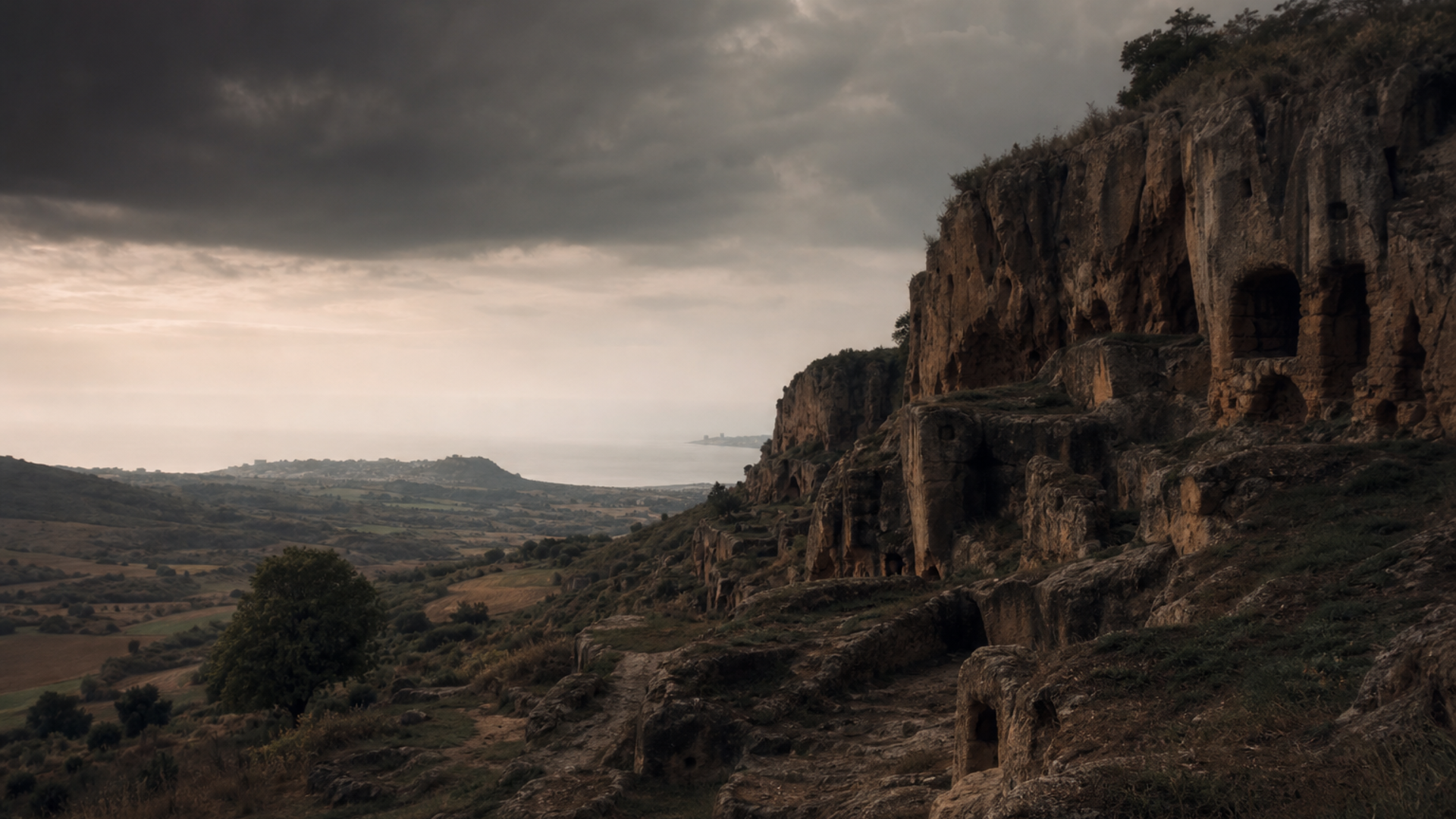
Daily life in Early Medieval Tarquinia can be glimpsed through a mixture of archaeological traces and reasonable inference. Buildings and reused Etruscan and late-antique masonry likely formed the skeleton of settlements, while households produced domestic ceramics, metalwork, and small-scale agricultural tools. Archaeological contexts from the region indicate a landscape of small-scale farming, artisanal production, and seasonal market ties that linked coastal towns with inland hinterlands.
Social life was arranged around parish churches, localized authority, and kin networks; funerary practices within small cemeteries reflect both pragmatic reuse of space and social differentiation. Foodways combined locally produced cereals, legumes, and olive oil with imported or traded goods, as suggested by amphorae and other imported ceramics found elsewhere in Lazio’s medieval sites.
Mobility — whether seasonal, economic, or forced — shaped household composition. Limited evidence from Tarquinia’s medieval layers suggests communities that were locally rooted yet open to newcomers: merchants, pilgrims, clerics, and perhaps individuals arriving through wider Mediterranean exchange. Archaeological evidence alone paints only part of the picture; when paired with genetic data, we begin to see the human trajectories behind pottery sherds and stone walls.