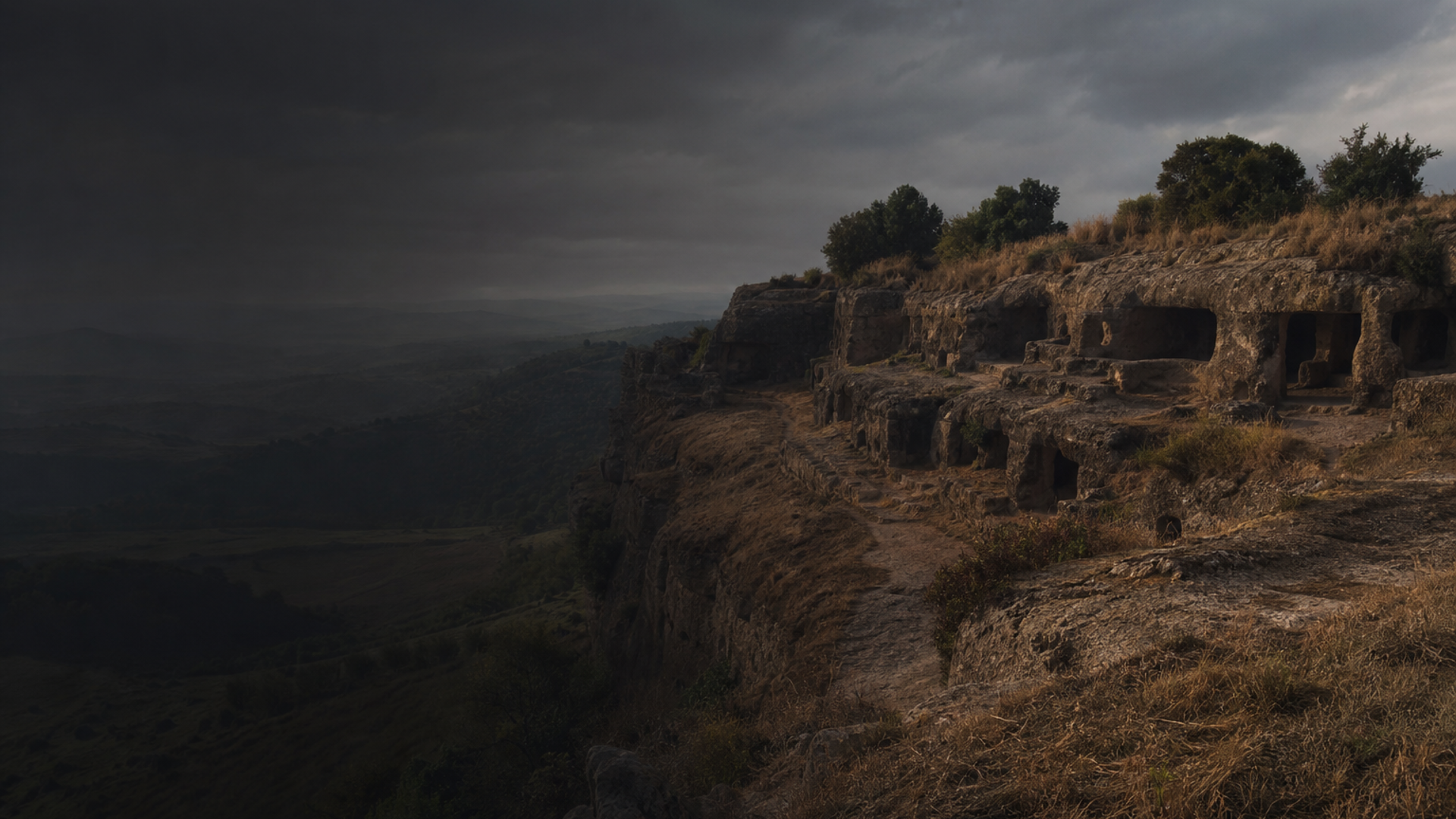
Stone, pigment, and bone preserve hints of everyday existence: tomb paintings at Tarquinia portray processions, banquets, and ritual gestures, while domestic archaeology reveals weaving, metalworking, and food production around the urban core of Tarquinia Civita. Archaeological contexts from the site indicate differentiated burial practices—some richly furnished, others modest—suggesting social stratification and the emergence of elite families who controlled trade and ritual spaces during the early Iron Age.
Dietary isotopes from comparable Etruscan contexts show a mixed agricultural and marine-based diet; combined with imported pottery and metalwork, these suggest that Tarquinia's inhabitants were both farmers and seafarers. Genetic data from the six genomes align with a cosmopolitan milieu: maternal haplogroups such as H3 and T2 are common across Europe and the Mediterranean, implying networks of mobility that likely included marriage ties, adoption of foreigners into local communities, or long-distance movement of women and men alike.
Archaeological data indicates vibrant urban life anchored by ritual landscapes and craft districts. Even so, reconstructing daily life from a handful of burials is necessarily partial—further excavation and DNA sampling will be needed to clarify household composition, kinship, and mobility patterns across social strata.