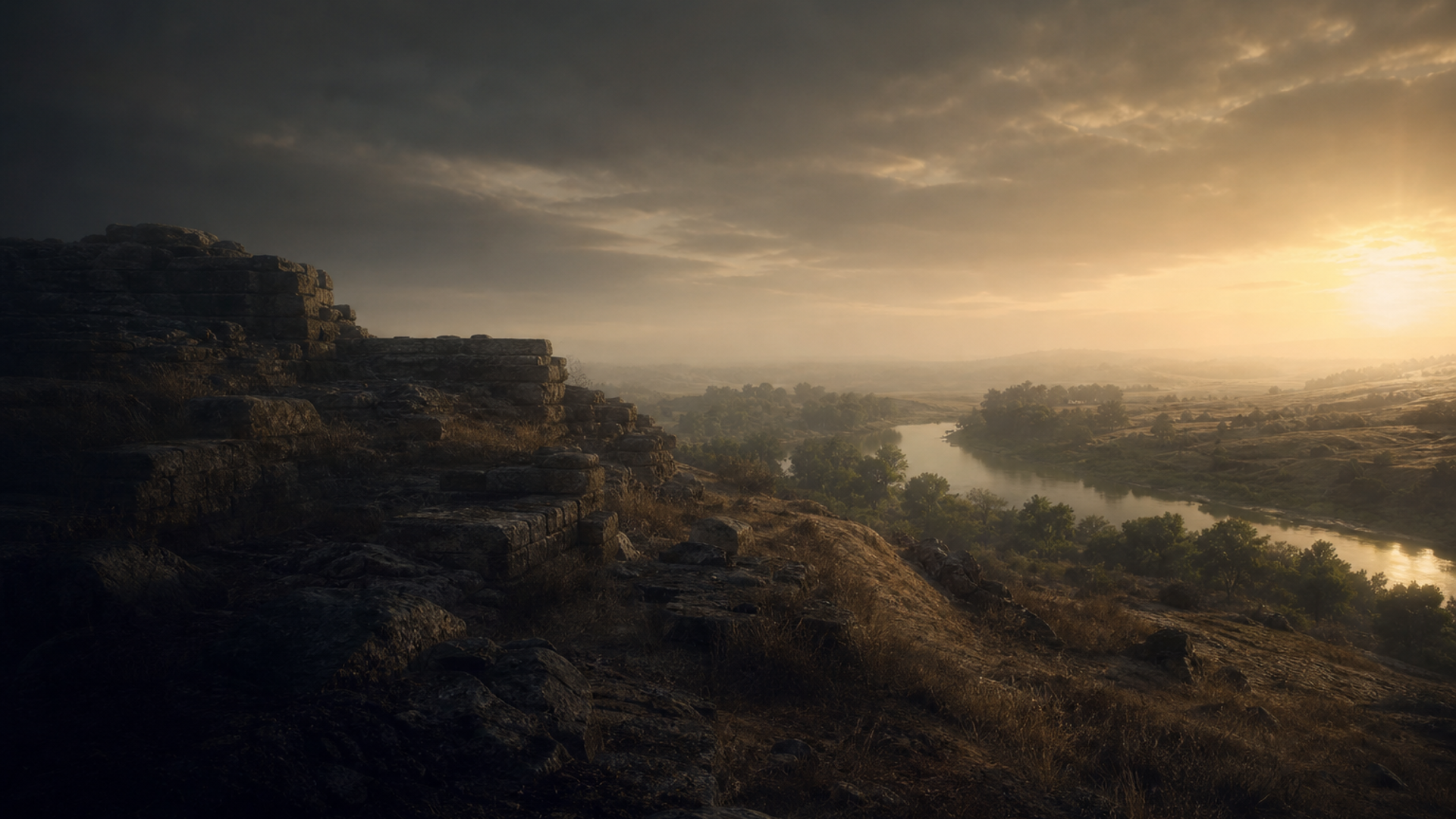
Archaeological remains evoke a tactile world of courtyards, workshops, and ritual spaces. Residents of Tartessian settlements like those around Alcalá del Río likely engaged in mixed farming, riverine fishing, and specialized metal production—bronze and ironsmithing that left slag, molds, and finished objects in their wakes. Urbanizing tendencies appear in denser habitations and evidence for craft neighborhoods, suggesting social differentiation and the emergence of local elites.
Mortuary practices at La Angorrilla and nearby sites reveal both communal and individualized rites: burial goods, stone stelae, and varied grave constructions hint at social ranking and identity markers. Imported luxury items found in some contexts testify to connections with Mediterranean exchange routes; such goods could have been status tokens, redistributed by elite households.
Everyday life was thus a blend of local subsistence rhythms and broader currents of trade and ideology. While pottery styles, metallurgical remains, and spatial organization offer concrete glimpses, integrating genetic data provides a new axis: who lived here, who was buried here, and how families persisted or changed over generations. Given the small number of analyzed genomes, assertions about household kinship patterns or mobility remain speculative but promising for future study.