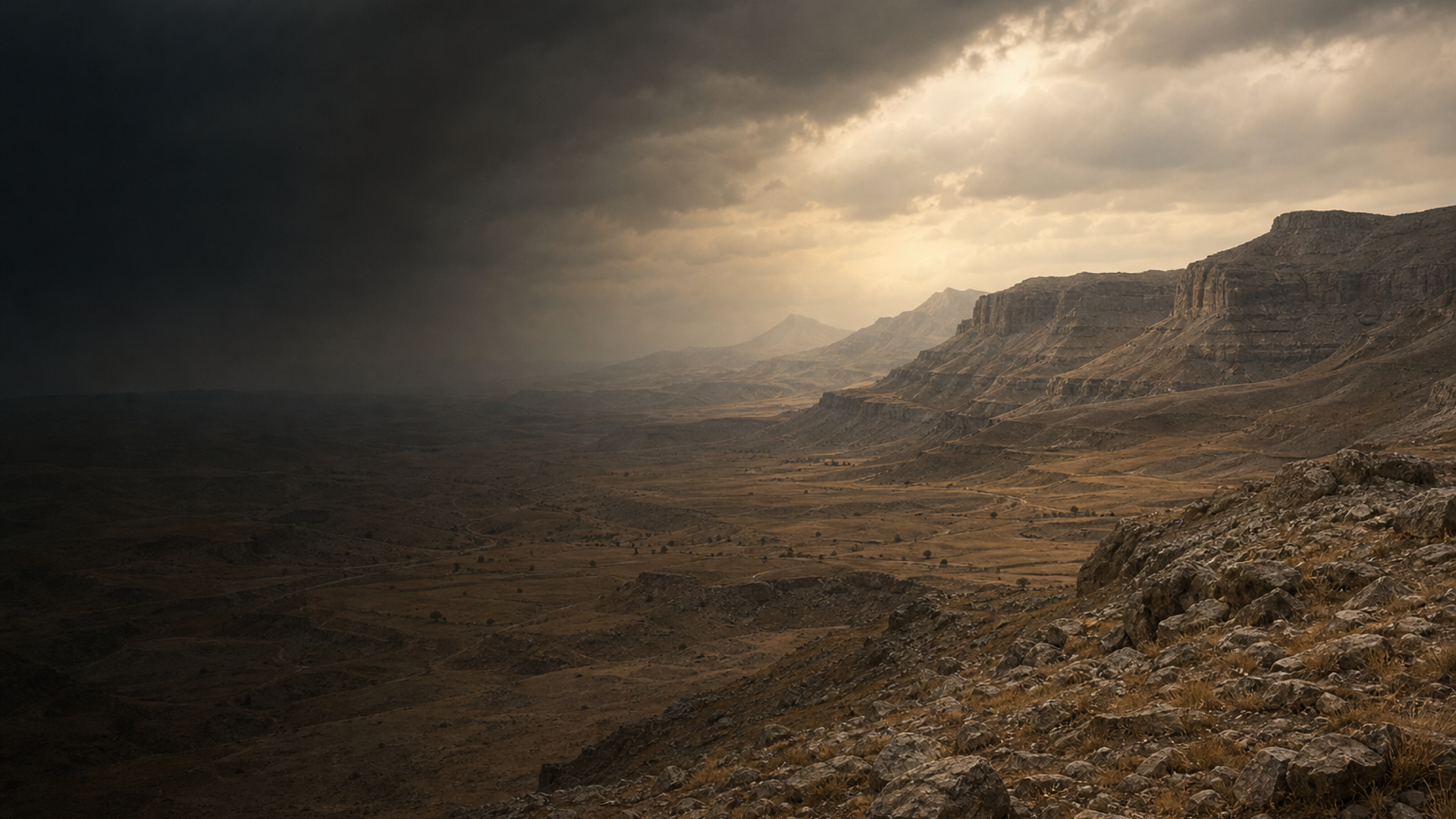
Life in the Tatika landscape can be imagined through fragments: pottery scorched by hearths, grain impressions on ceramic, and chipped stone tools shaped for both domestic tasks and long-distance exchange. Archaeological remains indicate small to medium-sized settlements organized around kin groups, with agriculture and pastoralism likely forming the economic backbone. Seasonal mobility for herding is plausible given the rugged terrain of southeastern Anatolia and known patterns elsewhere in the region.
Social life would have been anchored in household production: weaving, food processing, and ceramic manufacture. Funerary traces are sparse at Tatika, but where present they offer glimpses of social differentiation — personal ornaments and varied burial treatments suggest emerging status differences by the Late Chalcolithic and into the Early Bronze Age. Craft specialization and trade links to neighboring regions would have created households that were both self-sufficient and connected to wider exchange networks.
Archaeological interpretation must remain cautious: the material record at Tatika is fragmentary and the genetic sample set is minimal. Nevertheless, the combined picture is of resilient local communities adapting to broader economic and social currents.