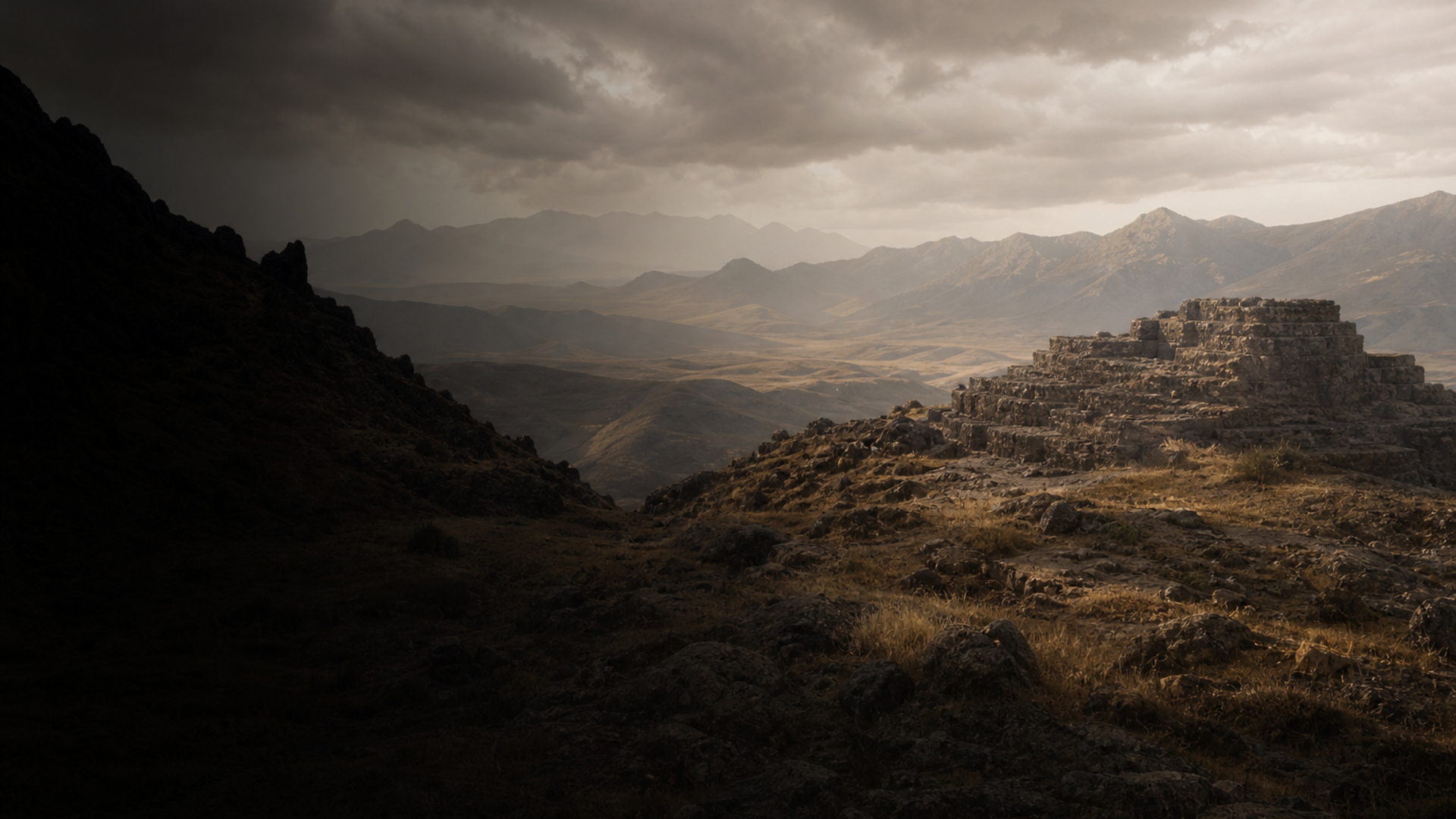
The daily world surrounding the necropolis would have been textured with agrarian rhythms, caravan traffic, and the rituals of ancestor veneration. Archaeological traces in the Ararat valley and surrounding highlands point to mixed farming, pastoralism, and artisanal production — small workshops, metalworking debris, and evidence for local textile manufacture. Graves at Teishebaini sometimes include personal ornaments and utilitarian objects that speak to household economies and social roles.
Archaeological data indicates a degree of connectivity: exchange of goods such as amphorae, metalwork, and luxury items suggests links into Achaemenid trade networks stretching west to Anatolia and east toward the Iranian plateau. At the same time, many elements of local ceramic tradition and burial rite persist, implying resilient community identities. The presence of non-local goods need not imply mass migration; they can equally reflect elite exchange, itinerant merchants, or diplomatic gifts.
This was a world where imperial officials, local leaders, and itinerant actors overlapped — a living landscape where loyalties, material tastes, and social strategies were negotiated daily.
- Mixed farmer-pastoral economy
- Artisanal production and regional trade connections