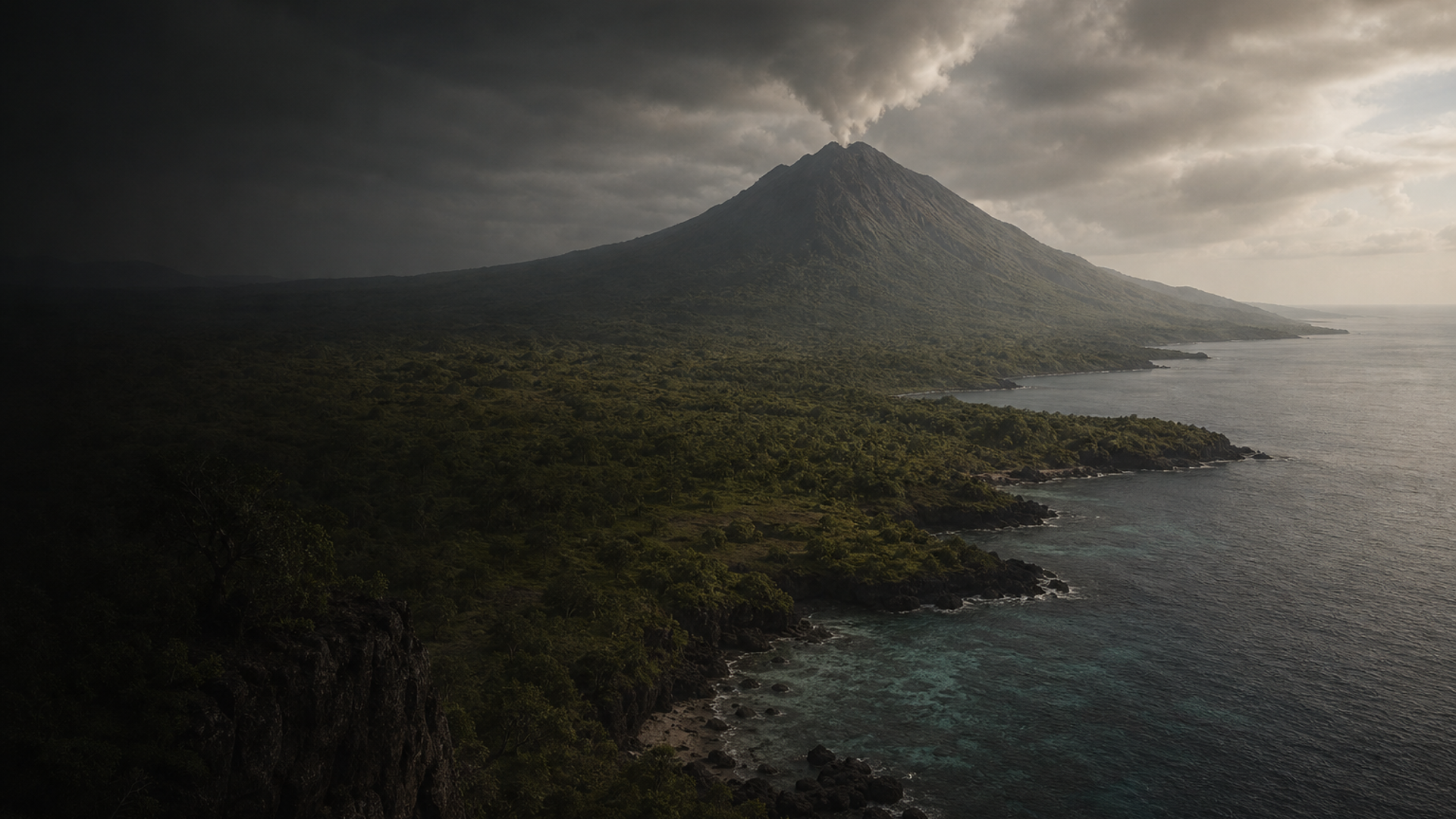
From the soil and burials of Teouma emerges an intimate portrait of island life: subsistence tied to canoe-borne horizons, gardens of taro and yams, and reef fisheries that shaped diet and ritual. Skeletal evidence from the cemetery indicates physically active lives — repetitive strain markers consistent with paddling, carrying, and craft production — while grave goods suggest social differentiation and the significance of personal adornment.
Archaeological data indicates that community life revolved around kin networks and maritime calendars. Pottery fragments with decorative motifs imply shared aesthetic systems and possibly social signaling across islands. The cemetery itself is a social statement: collective commemoration in a defined place, indicating territory, memory, and identity on Efate.
Yet many details remain elusive. Preservation biases and a small number of excavated burials limit our ability to reconstruct household organization, gender roles, or the full scope of trade connections. Future excavations and integrated isotope and genetic studies could illuminate childhood mobility, diet, and the life histories that underpinned these island societies.