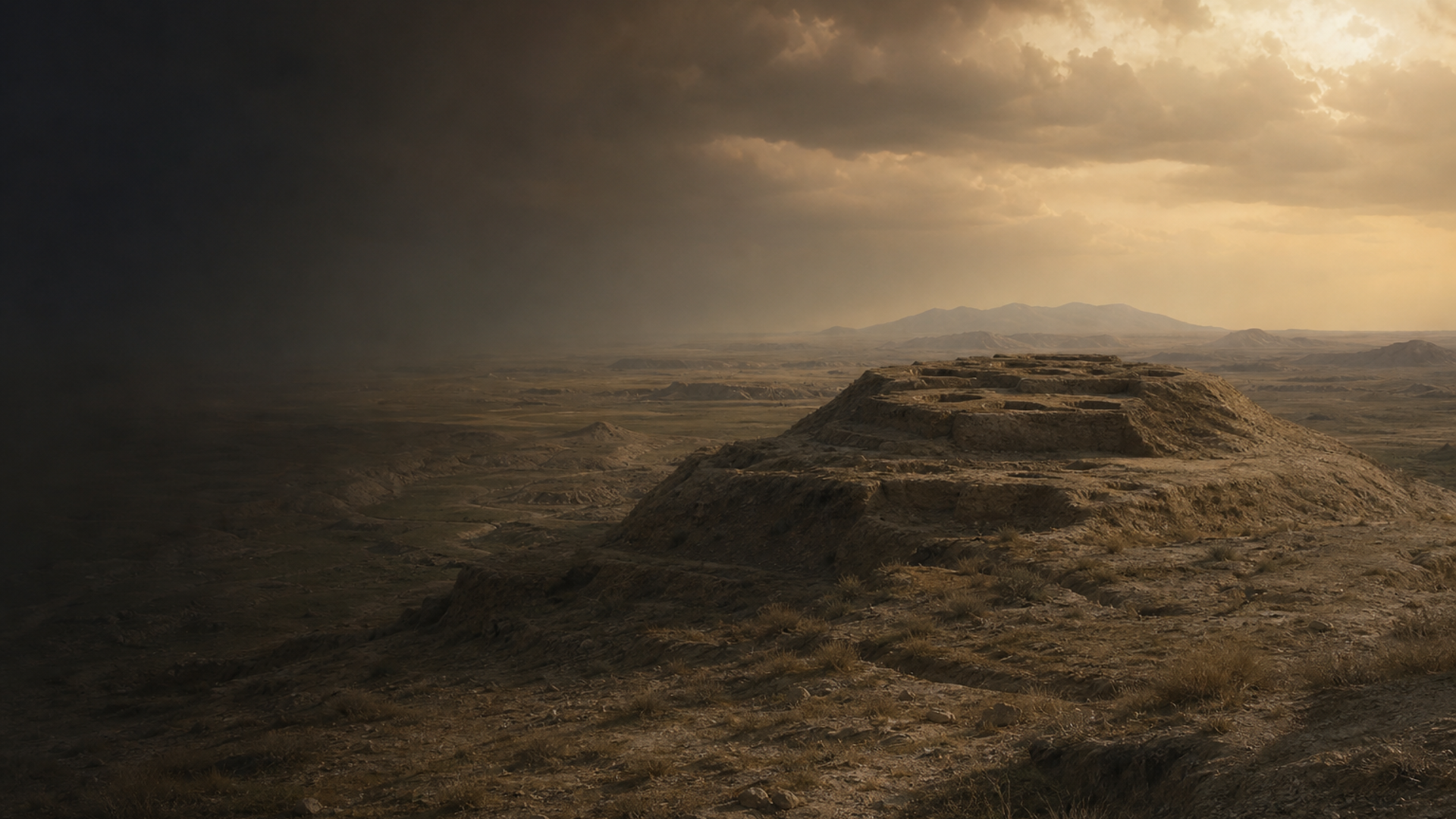
Archaeological traces at Tepe Anau conjure intimate scenes: the rhythm of sowing and harvest, hearth-smoke in earthen houses, and the repair of pottery by lamplight. Domestic features recovered from Chalcolithic layers suggest households engaged in mixed subsistence — agriculture on irrigable plots combined with animal husbandry. Tools, grinding stones, and pottery sherds indicate daily crafts and food processing, while occasional exotic materials point to trade or exchange.
Social life was probably organized around kin groups and household units rather than large hierarchical polities. Burial evidence from the region is sporadic, and at Tepe Anau the funerary record is limited, making it difficult to reconstruct social ranking or ritual complexity with confidence. Where burials exist, they can illuminate diet, health, and mobility, but current samples remain few.
Everyday life at Tepe Anau must be read as the interplay of local practice and external influence: craft styles and raw materials traveled across landscapes, and people adapted to climatic variability, creating resilient lifeways. Archaeological data indicates a community at the threshold between long-standing local traditions and new social trajectories that shaped later Bronze Age societies.