Beneath grand narratives of empires lies the tactile reality of households, marketplaces, and cemeteries. In Tell el-Hesi and Tell Masaikh, stratified layers preserve domestic compounds, pottery assemblages, and food remains that speak of diets combining Mediterranean cereals, pulses, and olive oil with region-specific staples. In Granada's Nasrid contexts, urban archaeology exposes cramped streets, craft workshops, and funerary neighborhoods such as the Nécropolis de Torna Alta where burial orientation and offerings shift alongside religious practice.
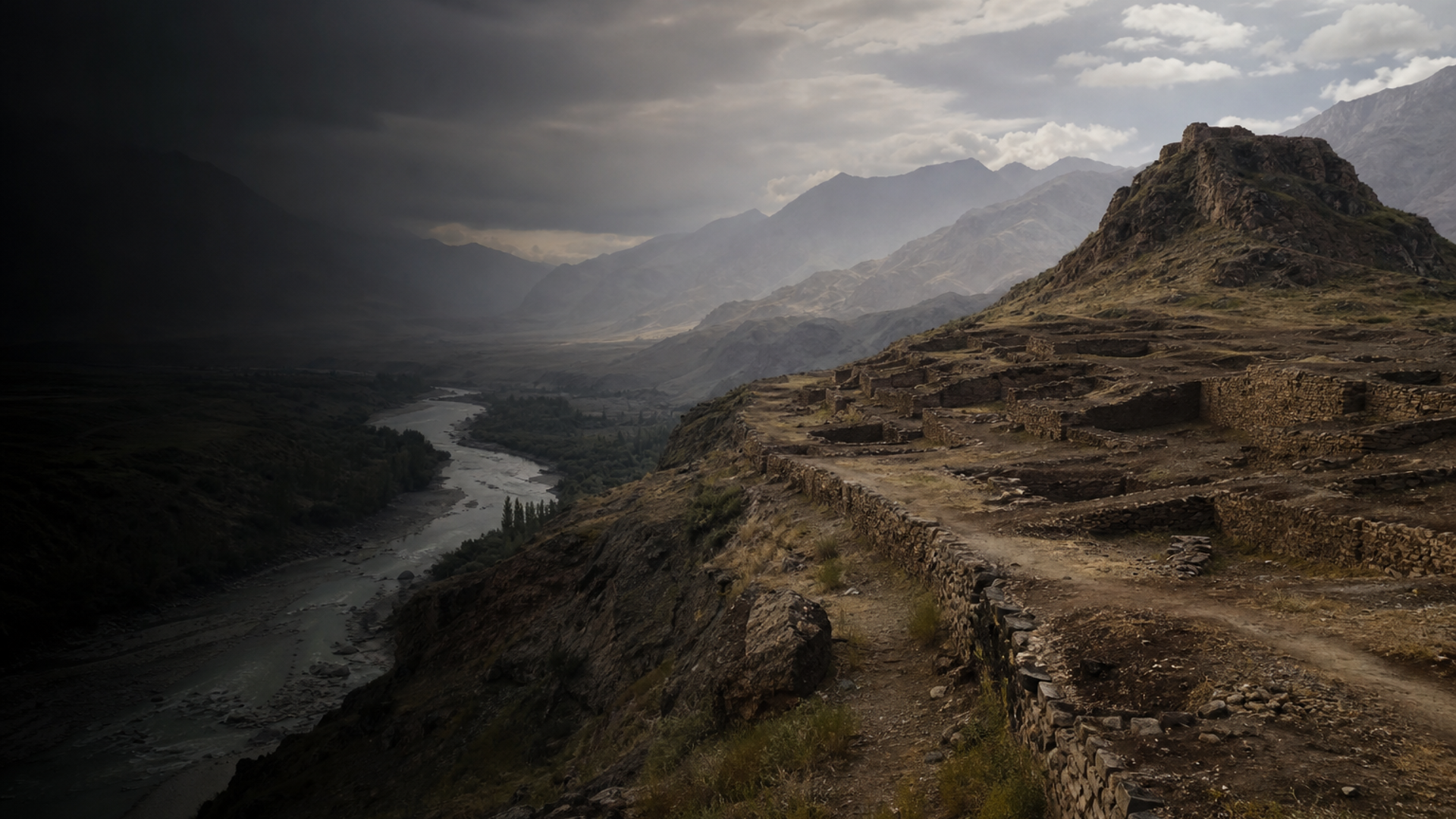
In the Aegean Turkish sites, Ottoman-period grave clusters and mosque-adjacent burials reflect evolving social structures: patronage networks, guild identities, and family plots. Barikot in the Swat Valley reveals how South Asian urban forms and Islamic institutions merged—mosque foundations adjoined older civic cores, indicating continuity of communal space.
Archaeological indicators of trade—imported ceramics, coin hoards, and caravan-route goods—corroborate the notion that daily life was connected to long-distance exchange. Craftspeople, soldiers, farmers, and religious specialists all contributed to the fabric of communities. Where osteological data survive, health markers and isotopes sometimes show dietary diversity and occasional non-local origins, but sample sizes and preservation vary; therefore, interpretations remain cautious.