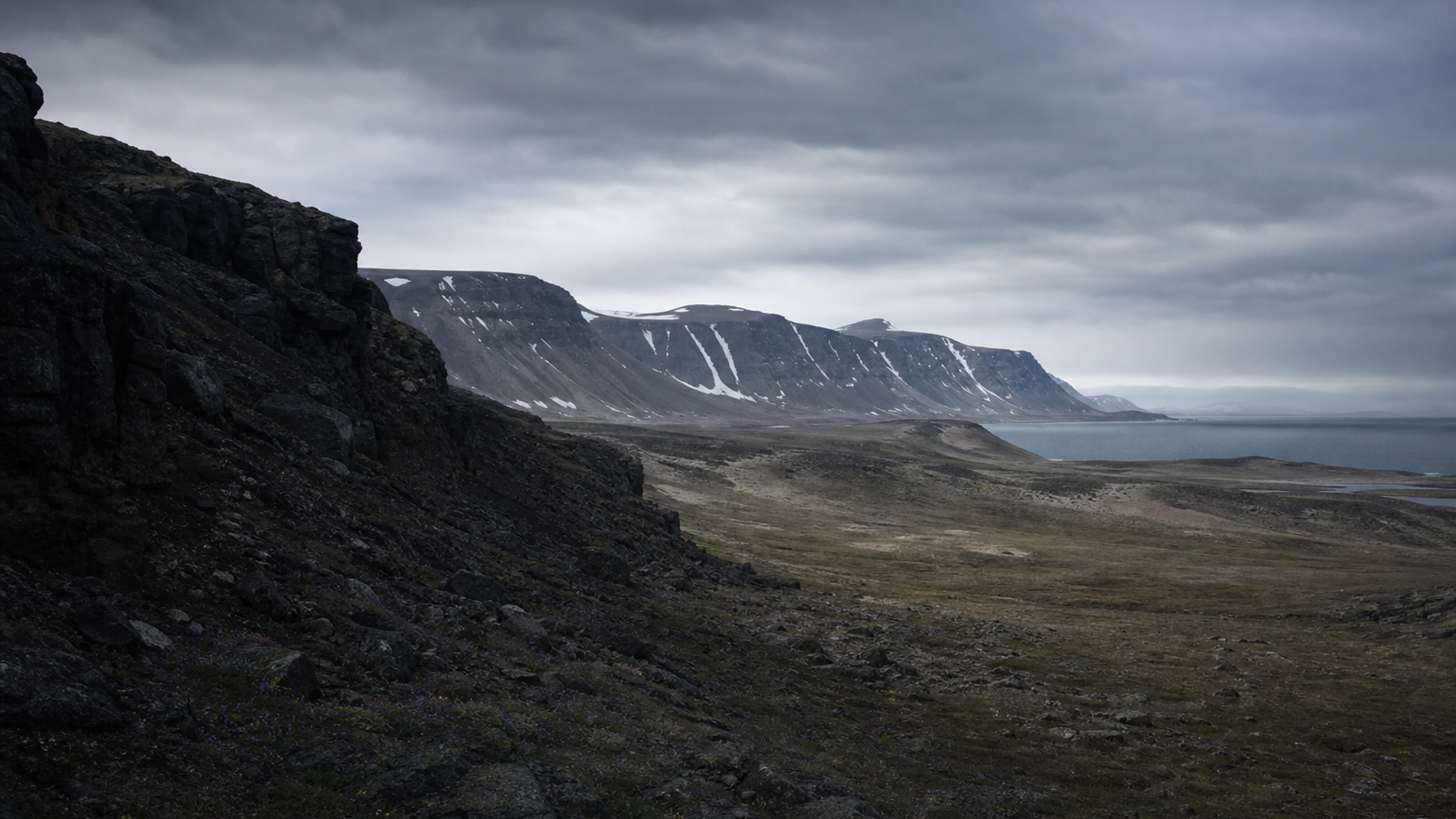
Genetic information from Southampton Island associated with a Thule-era context is extremely limited: only one securely dated sample is available for analysis. That single individual carries a Y-chromosome lineage assigned to haplogroup Q, a major paternal lineage widespread among Indigenous peoples of the Americas. While this observation is consistent with continental patterns, a single data point cannot reveal the full genetic diversity or demographic dynamics of Thule populations on Southampton Island or across the eastern Arctic.
More broadly, ancient DNA research on Neo-Eskimo and Thule-associated remains elsewhere in the Arctic has generally indicated continuity between Thule-derived groups and many contemporary Inuit populations, particularly in autosomal and uniparental markers. Archaeological and genetic narratives together suggest a movement of people carrying material innovations across the North Atlantic and Canadian Arctic; however, the extent of admixture with local Paleo-Eskimo groups (for example Dorset descendants), the temporal nuances of replacement versus assimilation, and fine-scale population structure vary by region.
Given the sample count here (n = 1), any population-level inference would be preliminary. Future sampling—performed in collaboration with Indigenous communities and using ethical ancient DNA practices—could clarify paternal and maternal lineage frequencies, reveal maternal haplogroups currently unreported for this site, and help resolve questions about migration routes and interaction with neighboring groups.