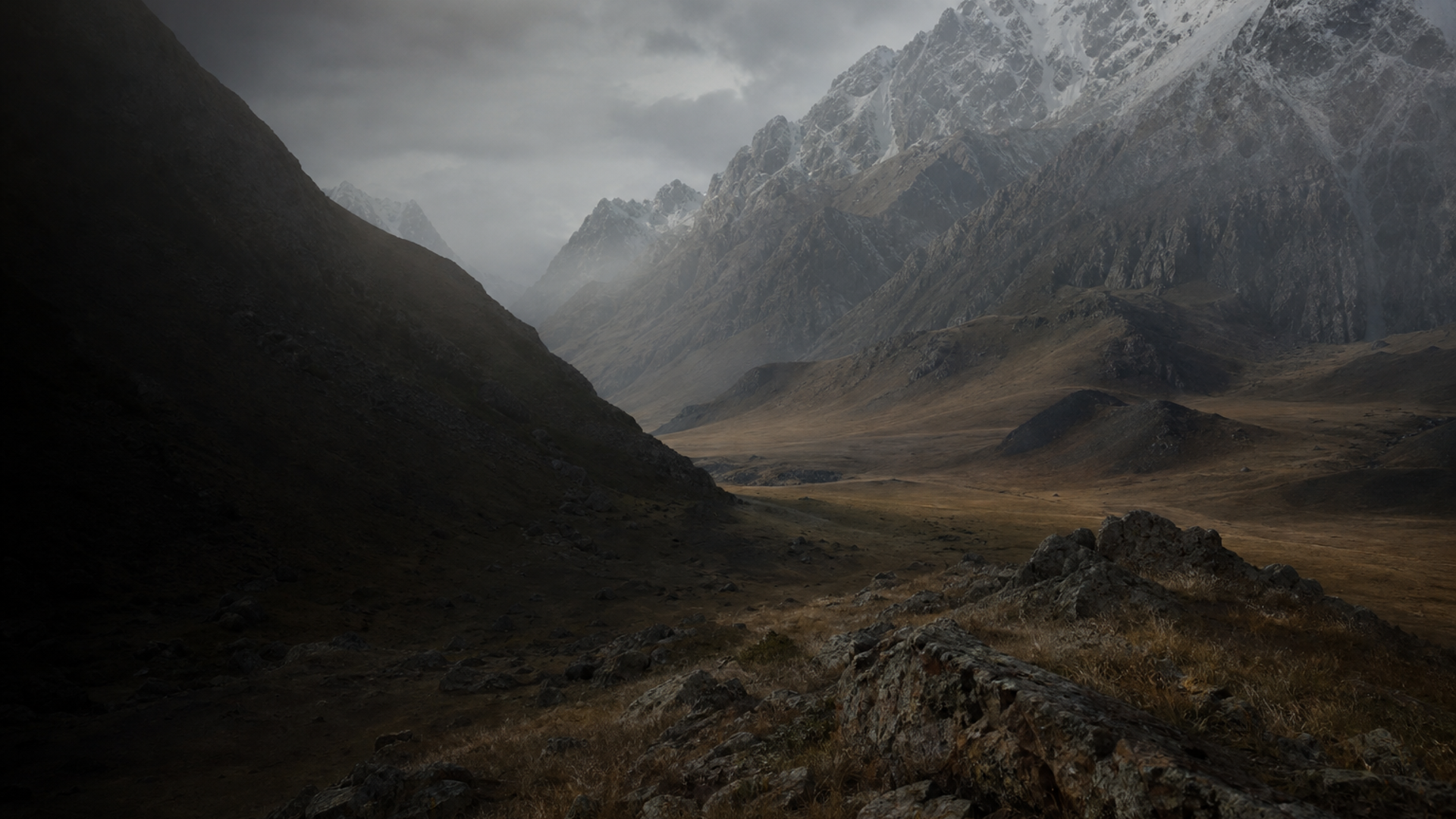
Daily life in the medieval Tian Shan, as reconstructed from archaeological parallels, would have been shaped by mobility and the mountain environment. Households practiced transhumant pastoralism, moving herds between river valleys and alpine pastures with the seasons. Material traces—bits of horse harness, metalwork, spindle whorls, and fragments of felt—evoke tents pitched under wide skies, children learning to ride, and round-the-clock care of animals.
Economic life likely revolved around sheep and goats for wool and meat, horses for transport and status, and perhaps cattle or camels where terrain permitted. Exchange networks connected mountain camps to caravans and market towns on Silk Road arteries: metal tools, textiles, and luxury goods circulated alongside information and marriage ties. Social organization in such groups was often kin-based and flexible; leadership could be situational, oriented around control of pastures, herds, and routes rather than fixed political centers.
Archaeological data from the Central Steppe indicate a resilience born of mobility—technologies and social strategies attuned to climatic variability and long-distance exchange. DNA adds a human dimension to these traces: the people moving across these routes carried ancestries and lineages that linked mountain valleys to the wider Eurasian world.