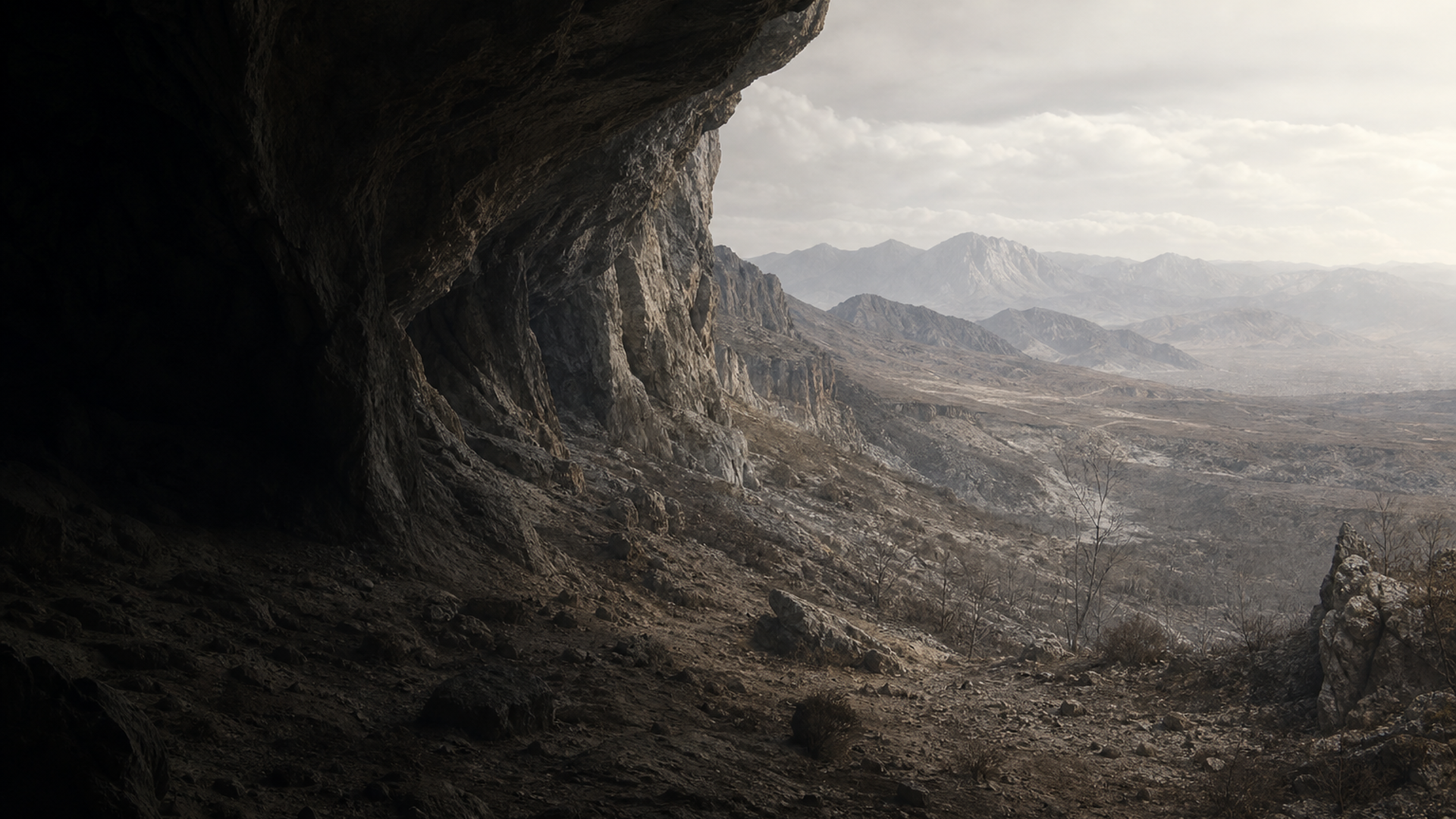
Archaeological traces around Tianyuan Cave suggest a hunter-gatherer lifeway tuned to Late Pleistocene ecologies. Faunal remains indicate hunting of medium- and large-bodied mammals seasonally available in river valleys; plant exploitation and small-game foraging likely supplemented diets. Lithic implements recovered nearby show a pragmatic toolkit for cutting, scraping, and butchery rather than highly formalized blade industries, consistent with mobile residential patterns.
Social organization is inferred from burial context and comparative ethnographic analogies: small bands with flexible kin networks, seasonal mobility, and resource-sharing mechanisms. The Tianyuan individual appears in a relatively simple depositional context rather than an elaborate grave, implying practical mortuary behavior that reflects immediate community needs and environmental constraints.
Archaeobotanical and residue studies in the region remain sparse, so reconstructions of diet, seasonality, and craft are provisional. Microwear and spatial analyses are promising methods to reveal task specialization and site-use intensity but require larger assemblages. The evocative image is of a small group moving across a dramatic Pleistocene landscape, campfires against a cold sky, and tools passed between hands as both survival tools and cultural touchstones.